
For almost two years, I have written about our constitutional Republic. I have worried about it. And I have even written to members of Congress about it.
For months, I have asked a question I never imagined would trouble me so deeply: Can the American people help keep our Republic when its guardrails are being weakened?
Congress too often went silent. Political disorder became almost routine. Lies competed with truth. Conspiracy theories flourished. Fear became a campaign strategy. Presidential power was stretched and tested. Enormous sums of money poured into campaigns while Americans were bombarded with political ads telling them whom to fear, blame and distrust.
Corruption was no abstraction. Before the election, the Brennan Center for Justice reported that more than nine in ten voters across regions considered corruption in politics and government a big problem.
I was hopeful and worried at the same time.
During this administration, I came to understand more deeply how fragile a constitutional Republic can become when its institutions and guardrails are strained. International IDEA reported before the election that major indicators of U.S. democracy had fallen to 50-year lows.
Democracy is not self-sustaining. Protecting it is a civic responsibility.
Election Day gave Americans another opportunity to exercise that responsibility.
Then the people spoke.
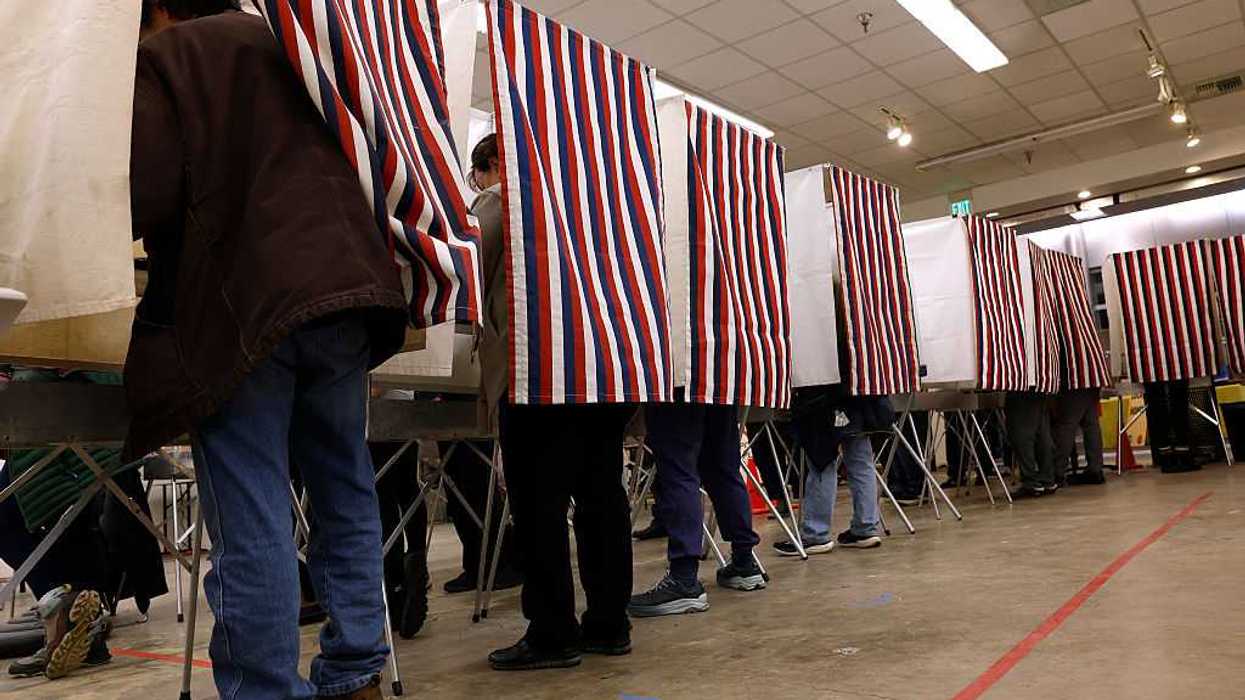
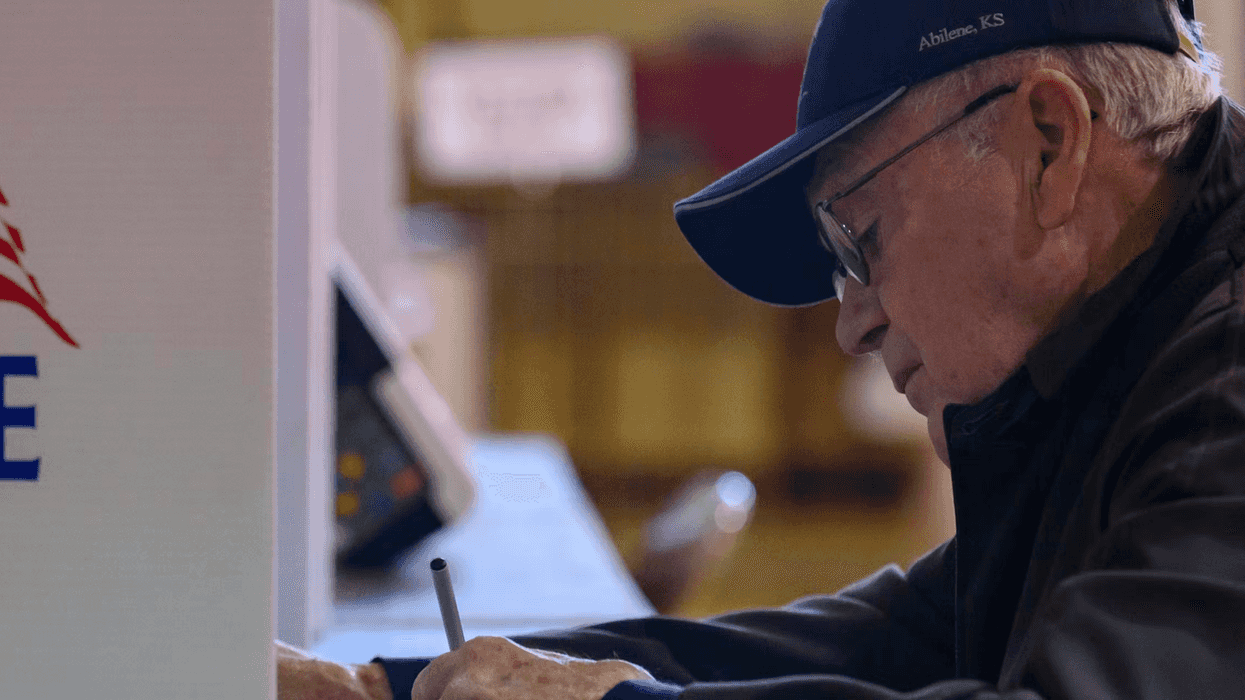
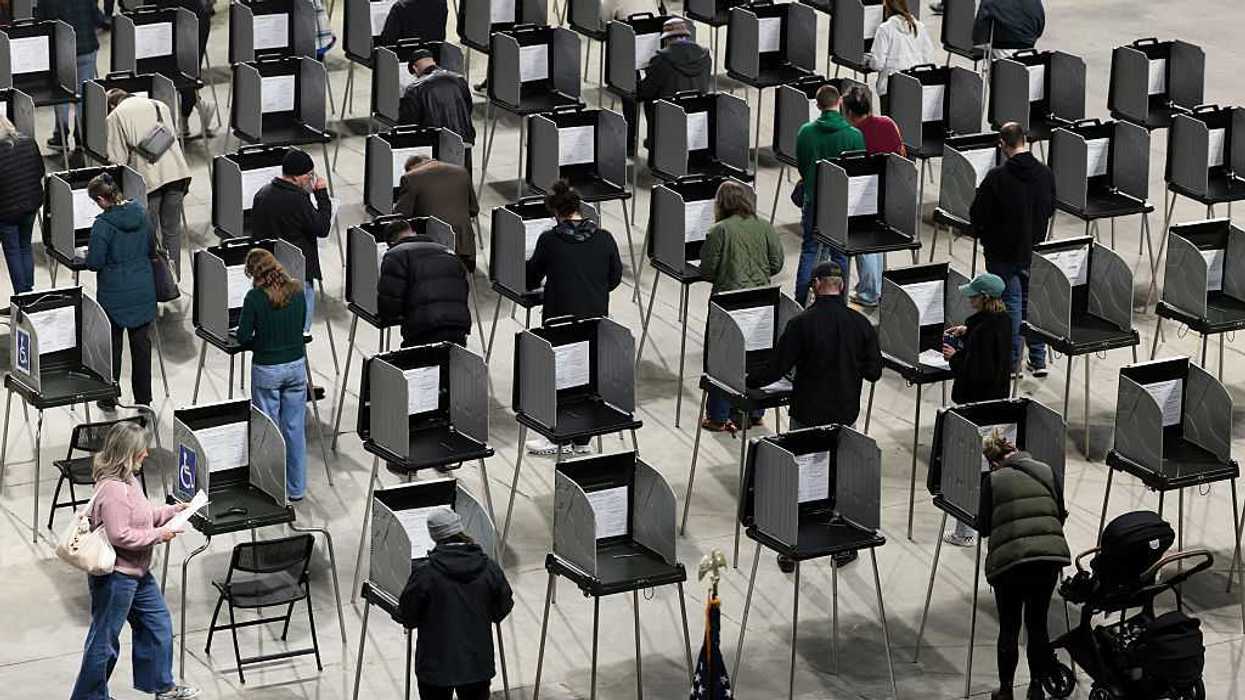
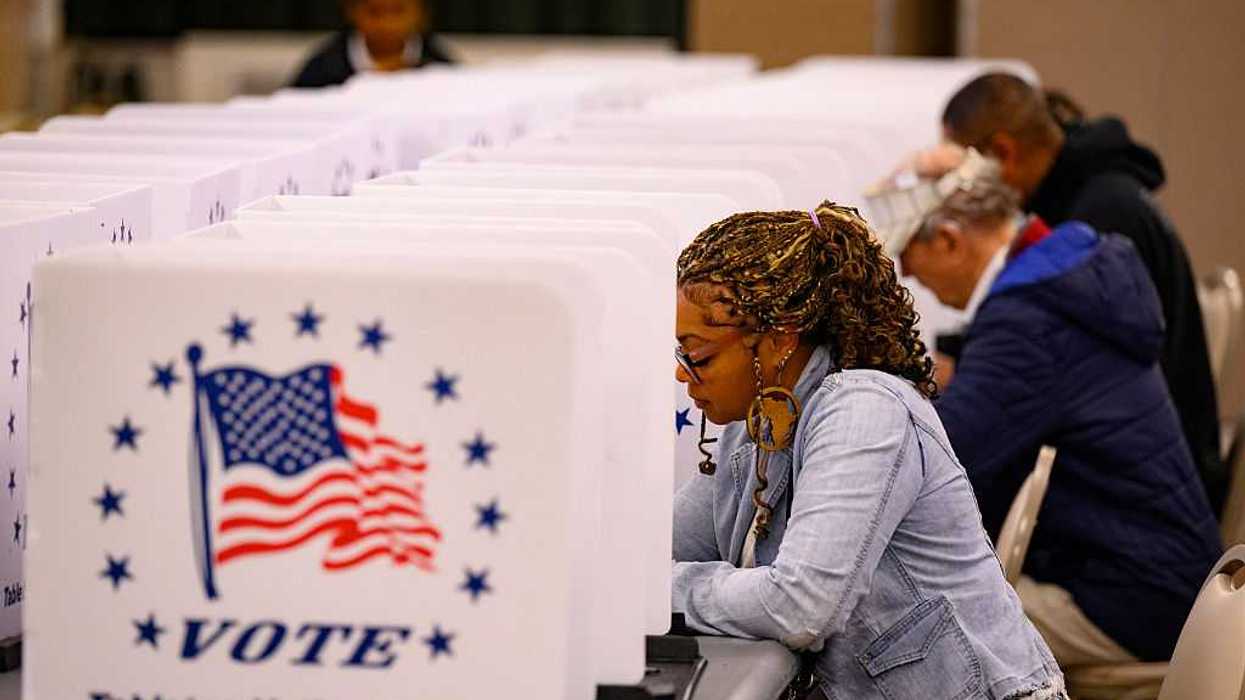
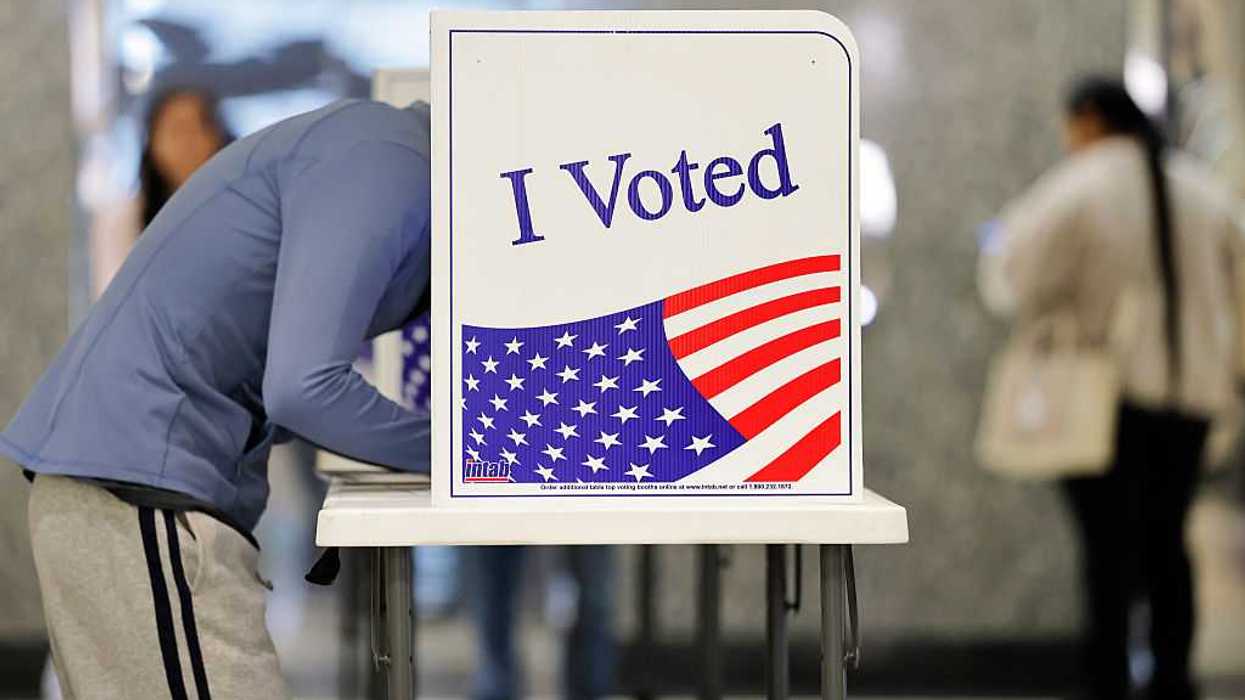
They voted.
And their votes changed the political landscape.
Democrats won control of both the House and Senate, flipping Republican-held seats across the country.
But I do not see this simply as one political party defeating another. I believe many Americans voted for something larger than party: a desire to protect the Republic, restore checks and balances and remind those in power that they remain accountable to the people.
To me, their message was clear: restore accountability, respect constitutional limits, listen to the people and remember whom government serves.
The AP Voter Poll, an expansive survey of about 80,000 voters in all 50 states, found that most voters identified either the economy or the state of democracy as the country's top issue. Government corruption also weighed heavily, and voters expressed a strong desire for Congress to play a more forceful role in checking presidential power.
The larger lesson is about the power and independence of the American voter.
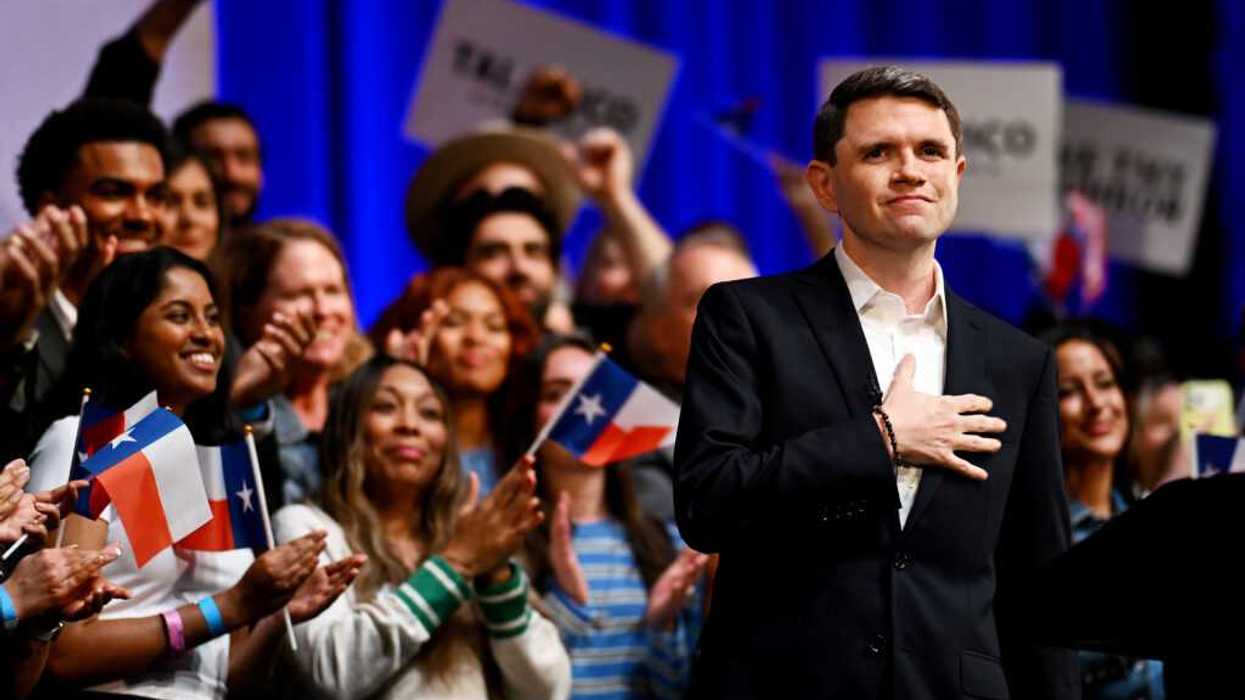
I have family and friends in Texas, Georgia, North Carolina, California, New Jersey and Virginia. I celebrated with them, not simply because particular candidates won, but because we were watching democracy in action.
Democracy is not something we merely inherit.
We practice it.
The election also challenged assumptions about the political map. Republicans in several states had redrawn congressional districts hoping for an electoral advantage, but redistricting did not prevent their loss of the House.
Politicians can draw lines around voters. They cannot draw conclusions for them.
Washington should hear the larger message:
Voters are not political property.
A presidential endorsement, a familiar name, racial identity or millions in campaign spending should not determine our vote. The ballot requires something from us, too: judgment.
This, to me, is political clarity and political literacy: examine candidates' records, character and policies, understand what is at stake and decide whether they deserve the power we are entrusting to them.
That is what self-governance requires.
But we should not become triumphant too quickly.
One election does not save a Republic.
Our guardrails have been shaken and weakened. Some faltered. Others held. Courts acted. States challenged federal actions. Journalists continued asking questions. Citizens organized, peacefully protested, wrote their representatives and spoke out. Finally, voters exercised perhaps the most consequential power ordinary Americans possess in representative government.
Now comes the harder part.
Winning an election is not governing.
As a principal, I made one expectation clear to my team: children were at the center. Our plans, decisions, strategies, budgets and resources had to begin with what our students needed. That clarity of purpose guided our work and helped us achieve success.
Congress needs the same clarity.
Put the people and the Republic at the center.
Every bill, budget, investigation and policy decision should begin with basic questions: Whom does this serve? Does it address people's needs? Does it respect the Constitution and rule of law? Does it strengthen the Republic?
Congress must listen, legislate, conduct meaningful oversight and work across party lines where the public interest demands it. Leaders must earn and maintain the trust and respect of the people through transparency, accountability, listening, keeping their promises and honoring their oath to the Constitution. Public trust is not something elected officials inherit with an election. It must be earned through how they govern.
Above all, they must remember whom they serve. Ours is a participatory government: of the people, by the people and for the people.
Courts must administer impartial justice and uphold the law. The executive must respect constitutional limits. Journalists must continue pursuing facts with accuracy, integrity and courage.
Every guardrail matters.
Transparency and accountability must be on the agenda, along with affordable health care, equal opportunity, constitutional protections and the everyday economic concerns affecting American families.
But accountability cannot become retaliation.
The purpose of accountability is correction.
Ethical leadership must RISE through Respect, Integrity, Service and Empathy. Public office is service, not ownership. The measure of leadership is not how faithfully an official serves a president or party, but how faithfully that leader serves the people and protects the Republic.
Citizens have responsibilities, too.
We cannot vote and disappear.
The late Representative John Lewis reminded us that when something is not right, fair or just, citizens must speak up and act. He also called the vote “the most powerful nonviolent tool we have to create a more perfect union.”
Millions of Americans did something. They voted.
Now they must continue using their voices between elections. Follow legislation. Check voting records. Question misinformation. Demand transparency. Hold leaders of both parties accountable.
And keep voting.
I wrote about our constitutional Republic. I worried about it. I feared its guardrails were weakening.
They were shaken. But the people spoke.
They did not always say what I hoped they would say. That, too, is democracy.
Benjamin Franklin left us an enduring challenge: “A republic, if you can keep it.”
One election has not saved our Republic or healed our divisions.
The work has just begun.
Leaders must listen. Institutions must serve. Citizens must remain engaged.
The people still have power.
A Republic cannot be kept by spectators.
This is a participatory Republic. Participate.
________________________________________________________________
Carolyn Goode is a retired educator and educational leader with experience in teaching, human relations, professional development and school leadership. She writes about leadership, equity and civic responsibility.