


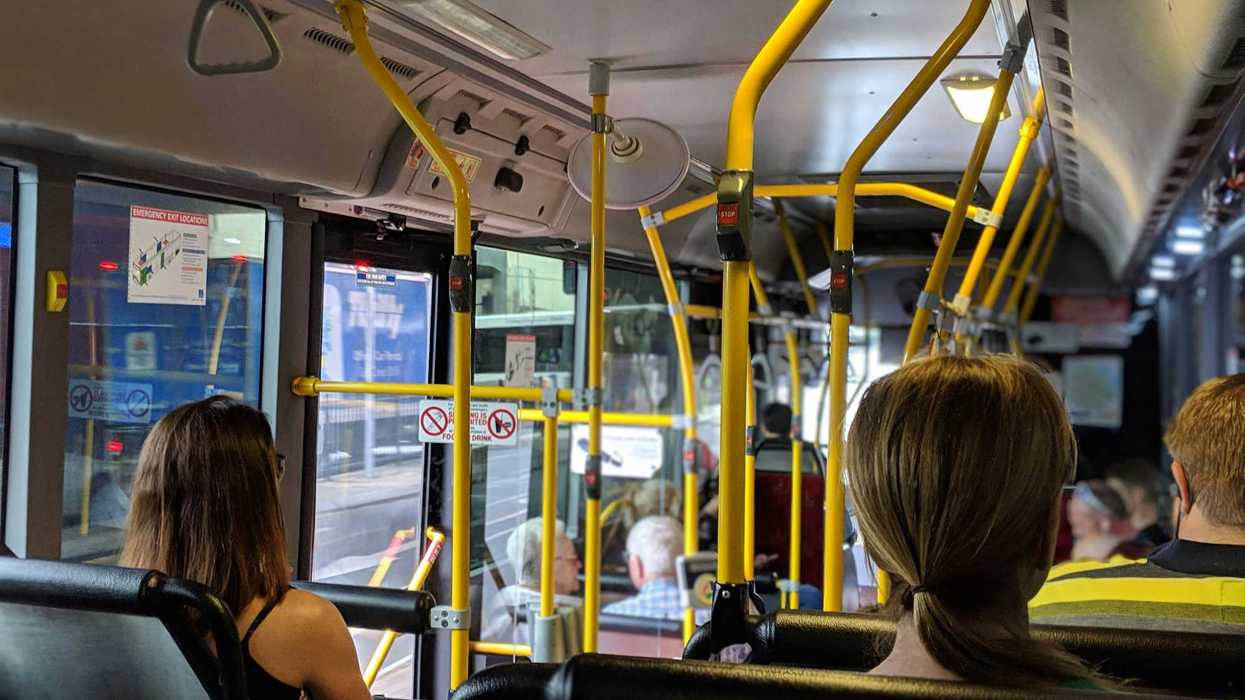

Most afternoons, I catch AC Transit Bus 52 or F from UC Berkeley School of Journalism campus to my home. I tap my Clipper card, hear the small beep, and then sit among more than 50 students with backpacks, a worker heading home, amongst others. Nobody around me talked about last week's elections or who voted for what. But that election also decided whether this bus, including other transit entities like BART, would keep coming
On Nov. 3, voters in five Bay Area counties, Alameda, Contra Costa, San Francisco, San Mateo and Santa Clara approved the Regional Transit Measure, a 14-year sales tax to keep BART, Muni, Caltrain and AC Transit running. In Alameda County, which includes Berkley, the measure passed with about two-thirds of the vote, according to preliminary results. Starting in April 2027, Berkeley's sales tax will rise from 10.25% to 10.75%. Shampoos, notebooks, or even a phone charger will be taxed more. We, or I could say that “It's a small amount each time,” and what's important is that it helps keep the bus running.
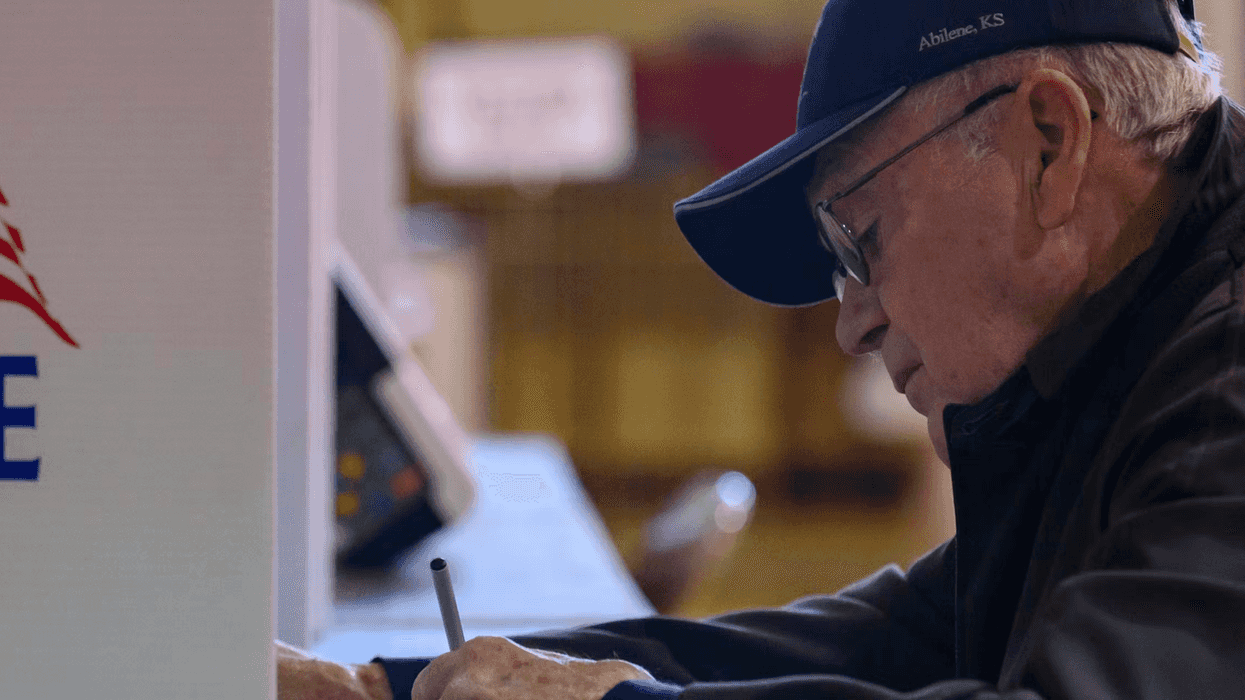
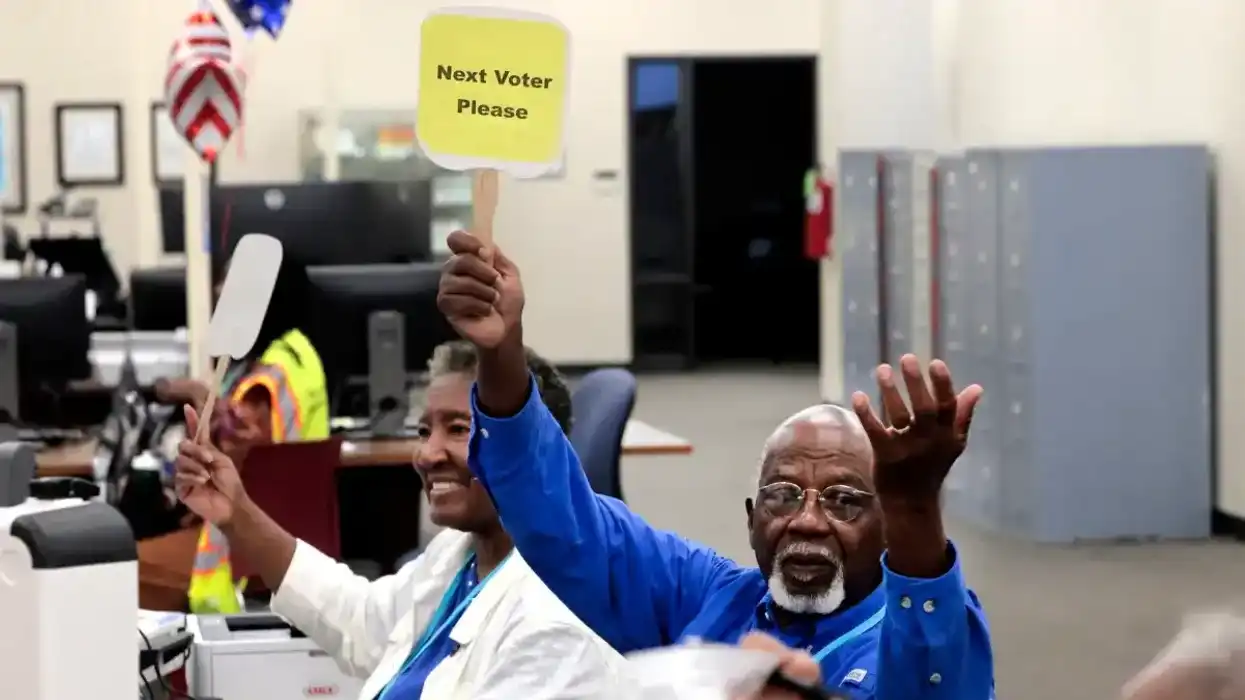
I followed the campaign closely. I read the arguments for and against. Last summer, I reported on the campaign for Oakland North and asked whether residents would pay more to save their buses and trains. And on Election Day, I watched from the sidelines. I am an international student from Cameroon. Here, I am a rider, a non-resident, and soon a taxpayer for this measure. I am not a voter.
I am not writing to say I deserve a ballot. I understand why voting belongs to citizens, and I respect that line. I am writing because the experience left me with a question I have not been able to put down: how do you take part in the life of a place that makes decisions you cannot vote on?
I am far from the only one asking. About 259,400 people in Alameda County are not U.S. citizens, according to the Vera Institute of Justice. That is roughly one in six of the people I share sidewalks, classrooms, and bus seats with. Many of us depend on the bus to get to class, to work, and to the doctor. Before the vote, AC Transit warned that without the measure it could cut service by as much as 16% and take up to 100 buses off the road. The outcome mattered to us as much as to anyone. We just were not in the count
Back home in Cameroon, an American who moved to my town would not vote in our elections either. That always seemed natural to me. When you go to live somewhere, you accept that some decisions will be made without you, and they can shape your life for better or worse. I just never expected to feel that so plainly on a city bus. My friend used to say “empathy cannot be felt hundred percent until you eventually wear those shoes”. Looking back, I totally agree with her.
Voting happens on one day. Living somewhere happens every day. The ballot decided the money would exist, but how it gets spent is still being worked out: which routes improve, where cuts are avoided. Most of those choices will be made in public meetings where anyone can speak.
And honestly, I am glad to pay this tax. That extra half cent helps get me to class, to Emeryville and other parts of the Bay Area, with less driving stress. It keeps the 52 coming. If anything, it makes me feel a little more like I belong in the place I have been living.
Maybe belonging is not something a ballot hands you. Maybe it is something you practice: riding the same bus, paying into the same system, caring where it goes. I don't have a vote in the Bay Area. I do have a Clipper card, a seat on the 52, and a quiet stake in where this bus goes next.
Tonight I will catch the 52 home again. I will tap my card, and like every other student, I will keep existing through the people and transport that are quite important to the Bay Area.
Pechuqui Laurata is a fall fellow with The Fulcrum and a student at UC Berkeley School of Journalism (Master of Journalism).