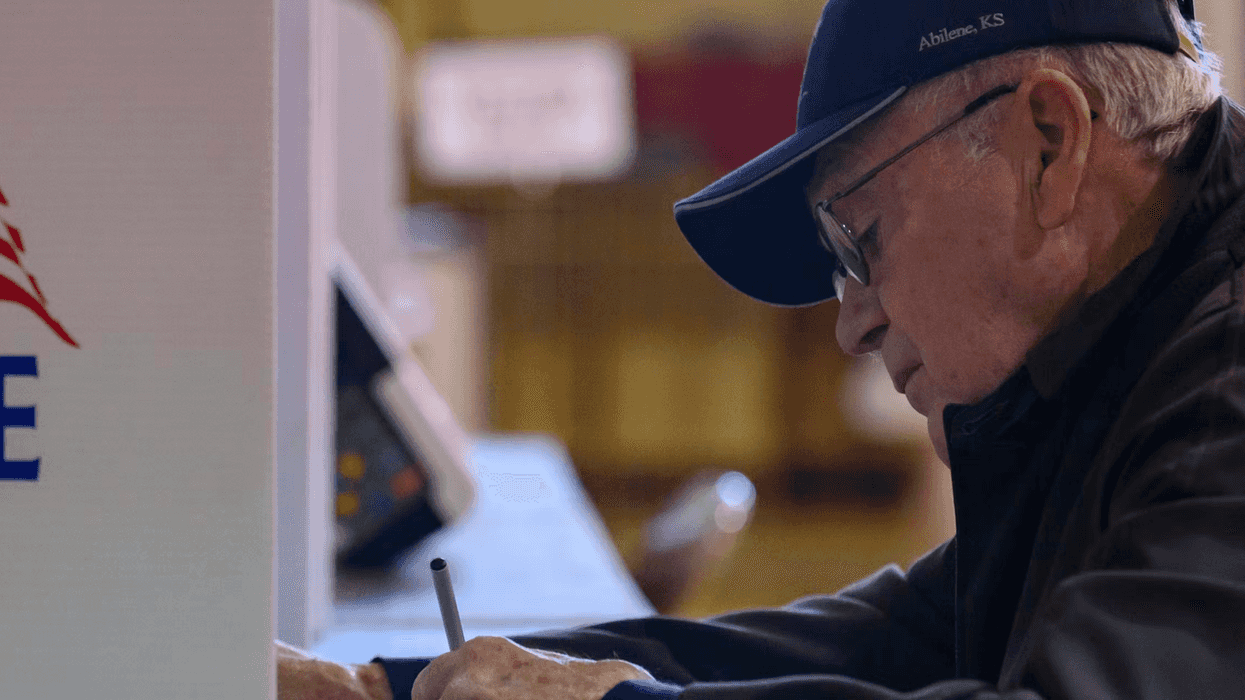


A national election ends with results, speeches, and maps that color entire states one way or another. A neighborhood, however, cannot be divided as neatly as a map. The person who voted differently still drives the school bus, works the overnight hospital shift, or helps search for a missing pet. On the morning after an election, the urgent democratic question is not simply who prevailed. It is whether ordinary people will retain enough trust to solve problems together.
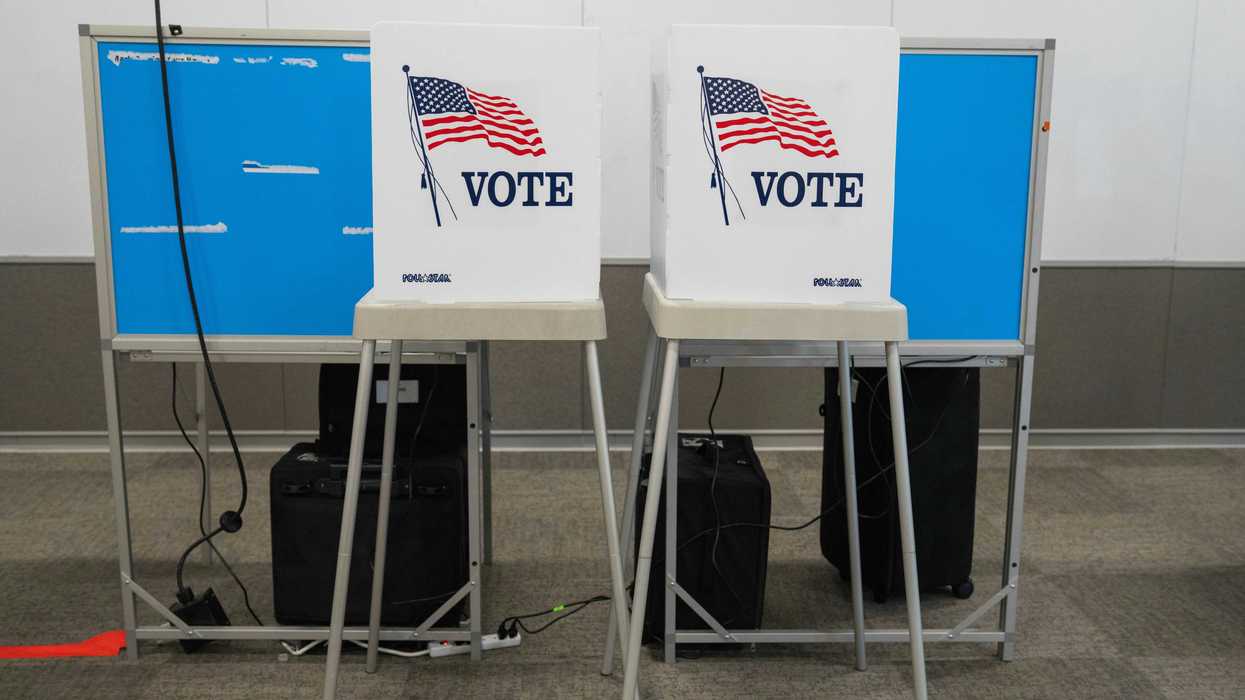
The United States held elections on November 3, and the following days have once again asked Americans to interpret campaigns, claims, and outcomes. Those discussions are important. People should not have to surrender strong convictions to be civil. But civic life becomes fragile when disagreement turns every encounter into a test of personal loyalty. A community needs ways to keep talking, even when a conversation cannot produce agreement.
This is not a plea for false equivalence. Some claims are factually wrong, and harmful conduct deserves accountability. Respect does not require pretending otherwise. It requires distinguishing between challenging an argument and treating every person who holds it as beyond the reach of shared responsibility. A neighbor's vote can matter deeply while the same neighbor's humanity remains nonnegotiable.
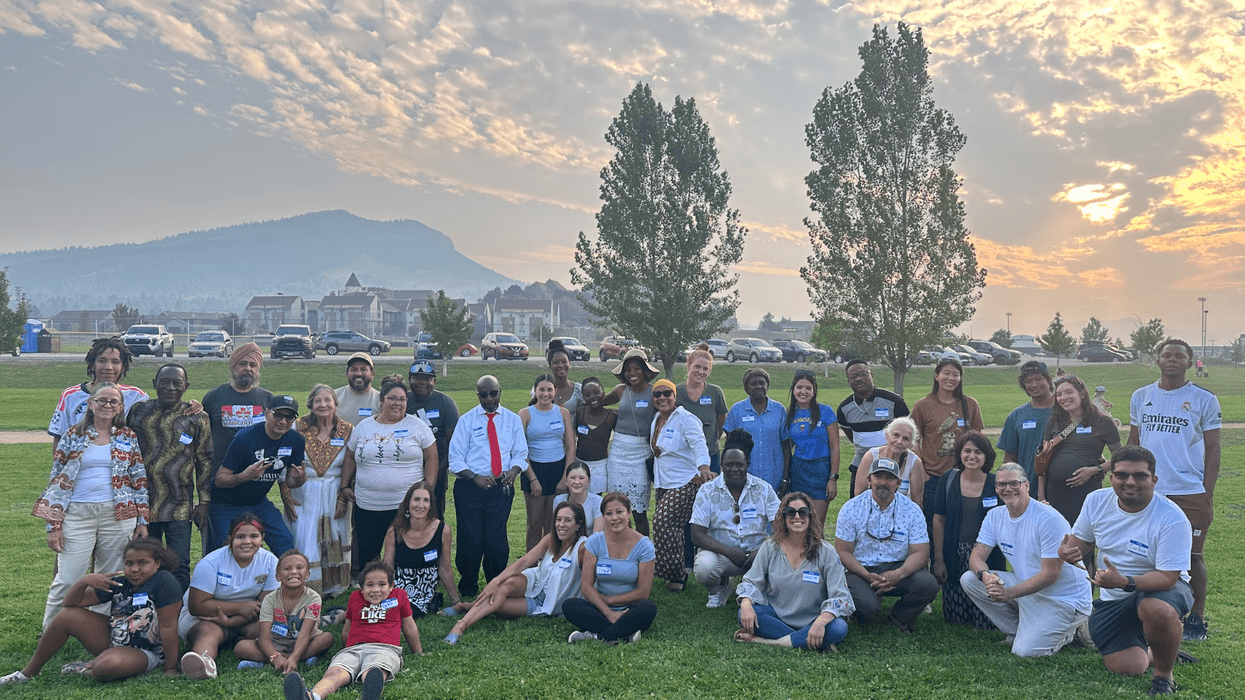
That distinction becomes concrete in places where political labels are less useful than practical work. A school board must still consider whether students can reach class safely. A county emergency manager still needs to coordinate volunteers during a storm. A public library may need accessible hours; a food pantry may need drivers. Those efforts invite people who disagree on national policy to work beside one another without demanding ideological conversion as the price of admission.
The format of civic meetings matters. A well-run discussion invites questions before speeches harden into performances. Participants know which decisions are being made, what information is available and when they will receive a response. People who cannot attend have a real way to contribute. Organizers do not confuse the loudest voice with the most representative one. Sometimes the most peaceful act in the room is asking an overlooked resident what practical problem brought them there.
Local leaders can establish habits that outlast a campaign. They can publish decisions in plain language, separate confirmed facts from rumors, and offer multiple channels for input, including options that do not require a smartphone. When a complaint is valid, leaders should acknowledge it rather than defend every past decision. When correction is needed, they should explain the correction openly. These practices make trust possible because they give people reasons to rely on a process even when they do not receive the answer they wanted.
Citizens have responsibilities as well. Before forwarding a sensational accusation about a school employee or a volunteer, verify the evidence. Before dismissing a neighbor's concern, ask what experience lies behind it. If a conversation becomes abusive, set a boundary rather than retaliate. There is courage in refusing to turn every disagreement into humiliation. Civic kindness is not passivity; it is discipline in the service of a larger community.
Faith traditions have long valued neighborliness, mercy and care for people who cannot repay a favor. Those values can help inform public conduct without asking anyone else to adopt a religious lesson. The invitation is broader: every person, of every belief, can choose to make the local institutions they share more honest, more accessible and more humane.
Democracy is not preserved only by the act of voting. It is sustained by what citizens do when the polls are closed and the work remains. The election results may settle who holds office. They do not settle whether we will show up for one another. That decision is made at the next community meeting, on the next difficult school morning, and around the next table where someone says, 'We disagree, but this problem still belongs to all of us.'
Douglas Vandergraph is a Christian writer, speaker, and digital publisher who creates faith-based content focused on biblical scholarship, spiritual growth, and Christian encouragement. https://douglasvandergraph.com/