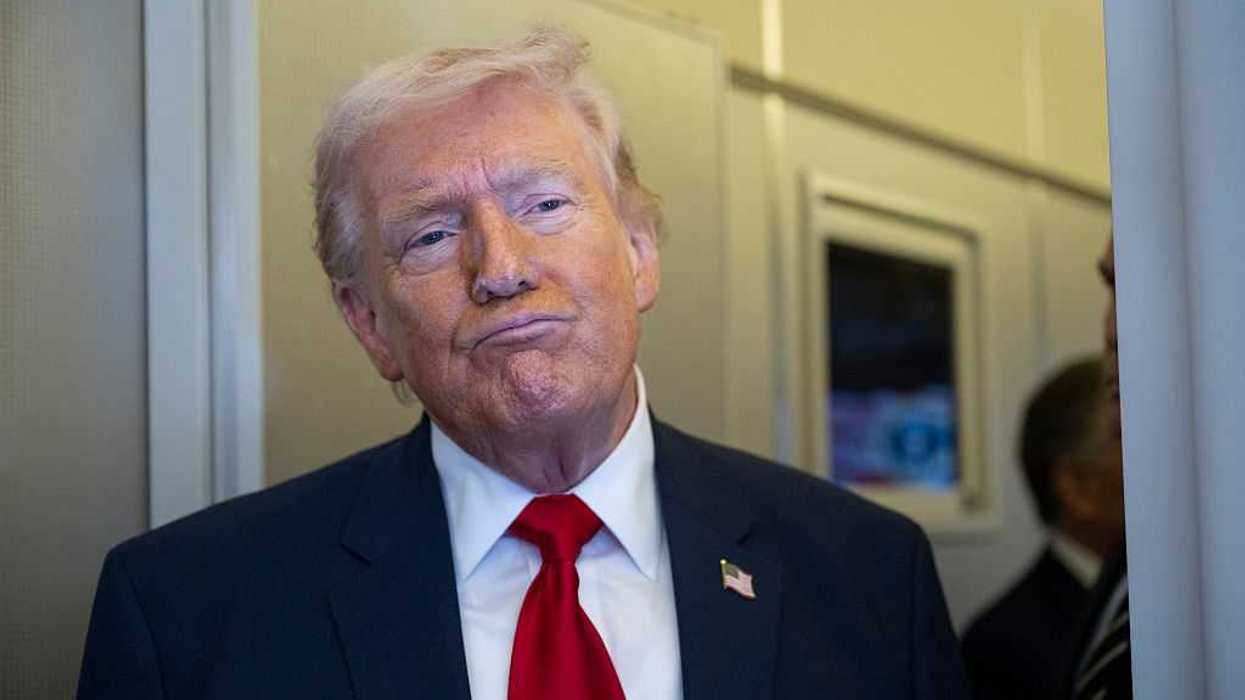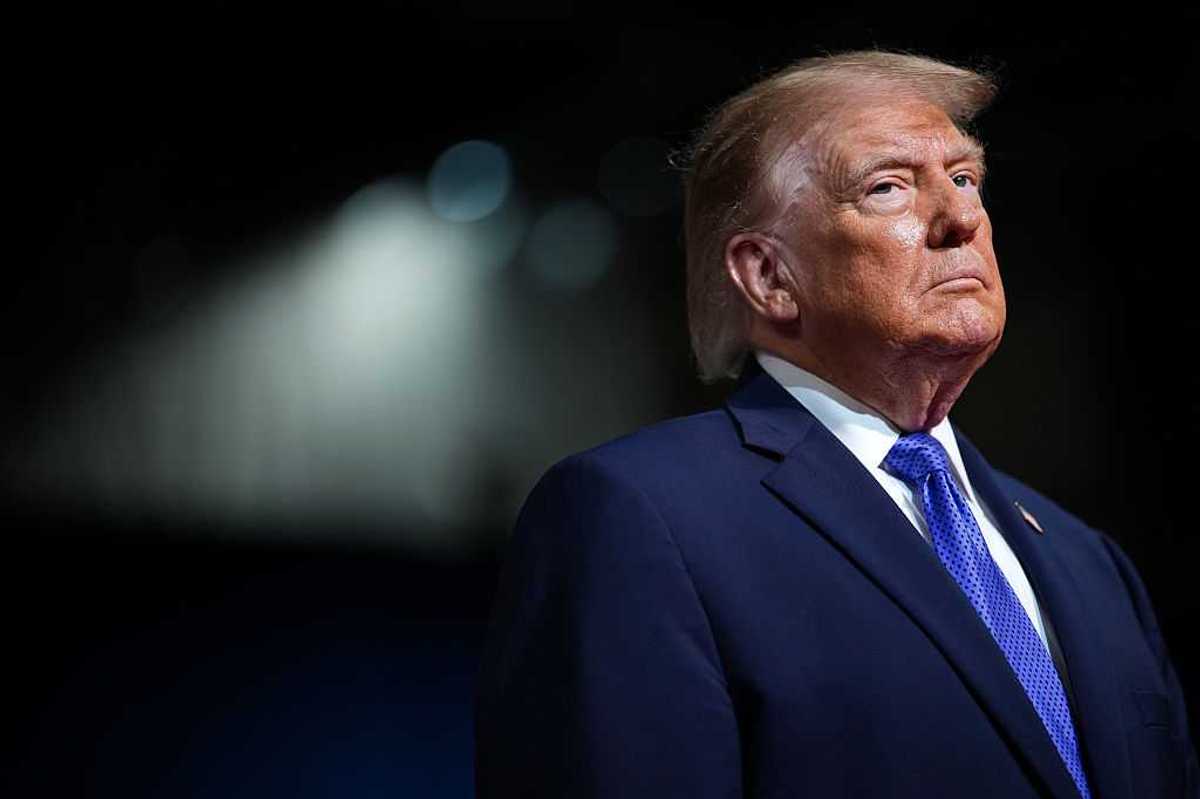


Trump and his MAGA allies have been dealt a historic electoral setback. But Trump is still president and wields the power of that office despite the results. Perhaps the biggest question now is how Democrats will turn their victory into effective checks on Trump after two years of Supreme Court sanctioned executive power expansion. The American voters’ verdict is clear. Turning the reins of Congress over to the Democrats gives them the tools to challenge Trump. It remains to be seen whether they can use those tools effectively.
The obvious explanation for the Democrats’ victory is the economy. The cost of groceries, housing, and other necessities drove voters away from Trump. Democrats should be careful about interpreting voters’ anger as an endorsement of their entire agenda. They now must address the pressures on household budgets, even as Trump retains the power to block much of what they propose. Holding him accountable will matter, but voters will also judge whether Democrats can improve their daily lives.
By taking control of Congress, Democrats will have several ways to check the president’s power. They can press for limits on executive action using their spending authority, shine the spotlight on the administration’s abuses, and block judicial and executive branch nominees. But these powers do not come without constraints. Spending restrictions require agreement between Congress and the president, unless Congress can muster enough votes to override his veto. Investigations can expose misconduct, but Trump can delay compliance with subpoenas for months or longer. All of this is to say Democrats will need to choose their battles carefully and explain what is at stake to the public.
The Democrats have been here before. In 2006, they won both the House and Senate against the backdrop of deep public dissatisfaction with the Iraq War. Despite their victory, they still failed to compel President George W. Bush to change course in Iraq. Bush vetoed a war-funding bill with withdrawal provisions passed by Congress in 2007. Democratic lawmakers, unable to override him, had to back down and ultimately approved funding without a withdrawal deadline. The lesson for today: an electoral mandate does not enforce itself. To sustain inevitable confrontations with the president, Democrats will need both unity within their ranks and sufficient public support. Neither is a given.
Also hard to predict is whether Republicans will remain willing to block congressional scrutiny of Trump. As the 2020 election show, an electoral setback does not automatically loosen his hold on the party. While Republican lawmakers might fret about losing a general election, they tremble in fear at a primary challenge backed by the president. Supporting investigations, resisting demands for unquestioning loyalty, or joining Democrats in imposing limits on executive action may be a bridge too far for many in the GOP. In the months ahead, increasing public criticism among Republican lawmakers may signal disagreement. Following through on that criticism even as Trump demands complete fealty would show that his grip is weakening.
Although muted before the midterms, there have been increasing signs within the Republican Party of a struggle over MAGA’s future that will complicate matters further. Pundits like to say that the contest for the presidency begins the day after the midterm elections. Republican contenders are already deciding how closely to tie themselves to a movement that has suffered a catastrophic defeat. Vice-President Vance, for instance, blamed the Blue Tsunami on Trump’s war of choice in Iran. This presents would-be successors with a difficult dilemma: distancing themselves could help them reach voters who rejected Republican candidates, but it could also turn off the supporters they need to win the nomination.
The GOP’s losses on election night should not lead anyone to assume that the party will become more moderate. Some Republicans contend that their candidates failed because they were not MAGA enough. Trump himself has encouraged this interpretation, blaming candidates who had opposed him for failing to inspire his base, making loyalty to him a test of commitment to the movement. Trump’s personal influence may fade while the movement’s appeal endures. It is incumbent on Democrats to develop a clear vision of the future beyond opposing a lame-duck president.
Democrats should begin by passing legislation that addresses the economic pressures behind their victory, recognizing that Trump will likely veto their efforts. Efforts to lower housing and health care costs give voters something to judge beyond the number of investigations launched or nominees blocked. They cannot promise to reverse every economic hardship from Congress. But they can demonstrate that they understand those hardships and have a credible program for addressing them. Opposition to Trump’s agenda brought them to power. What they do with that power must give voters a reason to keep them there.
The AP Voter Poll found that roughly seven in ten voters believed Congress failed to check presidential power.
The new Congress should pass safeguards against presidents withholding funds Congress has appropriated, obstructing oversight, or using federal agencies to punish political opponents. Such limits would apply regardless of who occupies the White House. Even where Trump blocks reform—and no doubt he will—Democrats can establish what they intend to change and commit their own future presidents to the same standards. Restoring Congress’s role requires a willingness to constrain their own party as well as the opposition.
Also critical to the Democrats’ long-term success is relentlessly investigating corruption in this administration. The outgoing congress failed at holding the administration accountable for its actions and this accountability must be restored beginning on day one of the new congress.
History offers Democrats both encouragement and a warning. Their congressional victory in 2006 preceded Barack Obama’s election in 2008. But Republicans lost eight Senate seats in 1986 and still elected George H. W. Bush president two years later. A midterm defeat does not settle the next presidential contest. Democrats now have an opportunity to show that government can address economic hardship while respecting constitutional limits. If they can turn rejection of Trump into confidence in their own leadership, this election could mark a lasting change. Winning Congress is only the beginning.
Robert Cropf is a professor emeritus of political science at Saint Louis University.