
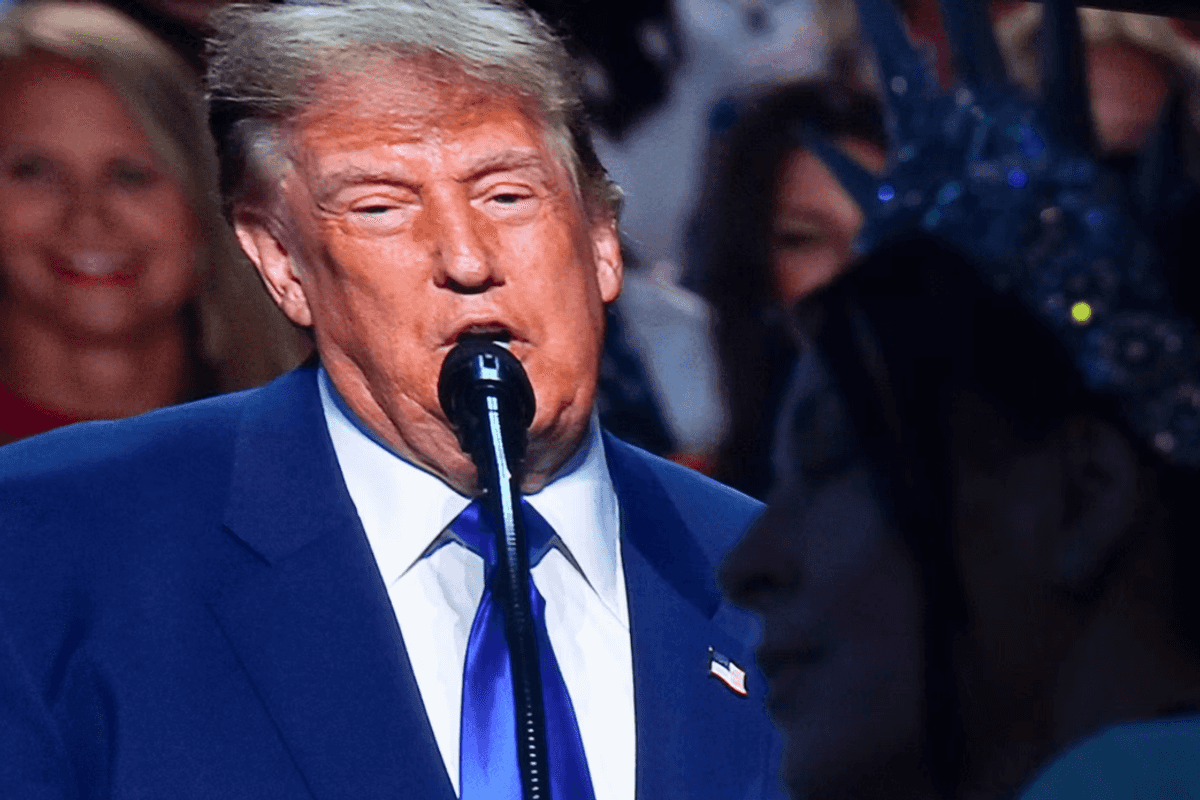


INDIANAPOLIS, Indiana —After months of political pressure and millions of dollars spent backing primary challengers, President Donald Trump was largely successful in urging Indiana Republican voters to remove several GOP state senators who opposed the congressional redistricting plan during the May primary election. The shake‑up has intensified debate over how Indiana’s political maps are drawn — and who ultimately benefits.
- YouTube youtu.be
The League of Women Voters of Indiana argues that the state’s current redistricting system has produced a level of single‑party dominance that weakens democratic accountability. According to the organization, supermajorities can operate with little incentive to compromise, negotiate, or engage the public.
“We’re not attacking Republicans. We’re attacking supermajorities,” said Barbara Tully, a League Board member. “Right now, the Republican caucuses have all the power… Everything goes on in secret behind the doors. There’s no negotiation between the two. That’s not right.”
League leaders say the consequences are most visible at the ballot box. When districts are drawn in ways that all but guarantee one party’s victory, they argue, candidates have fewer reasons to engage with voters outside their base.
Linda Hanson, President of the League, said noncompetitive districts erode the basic expectation that elected officials should answer to the public as a whole.
“If you have candidates who are not in competitive districts, they’re also not going to feel they need to talk to all the public,” Hanson said. “They just want to put an R or a D by their names and have that stand for who they are.”
Common Cause Indiana points to a deeper structural issue: lawmakers draw the very districts they run in. Julia Vaughn, Policy Director for the organization, calls it a built‑in conflict of interest that fuels partisan gerrymandering and can dilute the voting power of diverse communities by splitting up established communities of interest.
“This was an attempt not just to silence the voices of Democratic voters but also to silence communities of color,” Vaughn said. “The two congressional districts that were targeted are by far the most diverse communities in our state.”
Both groups say the solution is to remove redistricting authority from elected officials and hand it to an independent, politically balanced citizen commission with no personal stake in the outcome.
Alongside its policy advocacy, the League is investing in long‑term civic engagement through a peer‑to‑peer high school ambassador program. The initiative hires and trains students to promote voter registration and education within their own schools, aiming to build stronger civic habits among future voters.
Investing in the Next Generation
Even as they push for structural reform, advocates are working to strengthen civic engagement among young Hoosiers.
The League of Women Voters of Indiana is investing in a peer‑to‑peer high school ambassador program that hires and trains students to serve as voting advocates within their schools.
Meanwhile, the Indiana Bar Foundation is expanding civic literacy statewide through classroom resources, competitions, and teacher training.
“We provide professional development, trainings, and resources for teachers,” said the Foundation’s Executive Director, Charles Dunlap. “They’re on the front lines in the classroom, and we see our role as supporting them.”
The Foundation tracks engagement in programs like High School Mock Trial and We the People to measure impact.
Kate Hollingsworth, a 2026 spring intern with the Indiana Bar Foundation, represents the kind of civic‑minded young leader these programs aim to cultivate. Fresh off her high‑school graduation, she and her We the People team advanced from the state finals to the national competition.
“It’s such a good experience — something all students should do,” Hollingsworth said. “It gives you civic perspectives you can use no matter what career you pursue.”
Hollingsworth believes young people must develop their own political voice rather than inherit one from older generations or party labels. She said meaningful civic engagement requires separating issues from partisanship and listening respectfully to different viewpoints.
“I’ve spoken about current issues in a mature way, and I’ve gotten negative feedback from older people,” she said. “But I respond respectfully. It’s important not to shut out other opinions.”
She added that political identity should not dictate every belief.
“People get stuck on having a certain party label,” she said. “But what matters is thinking about what’s best for our country.”
Though their strategies differ, the League of Women Voters, Common Cause, and the Indiana Bar Foundation share a common purpose: protecting and strengthening democratic participation in Indiana.
In a moment when voting rights are contested and civic trust is fragile, their work offers a reminder that democracy is not self‑sustaining. It requires advocates, educators, and institutions willing to stand up for the principles that bind a nation together.
And in Indiana, those voices are speaking loudly.
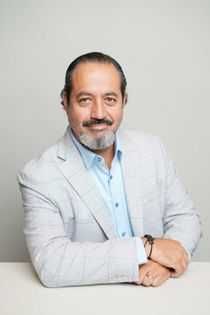
Hugo Balta is the executive editor of The Fulcrum and the publisher of the Latino News Network.
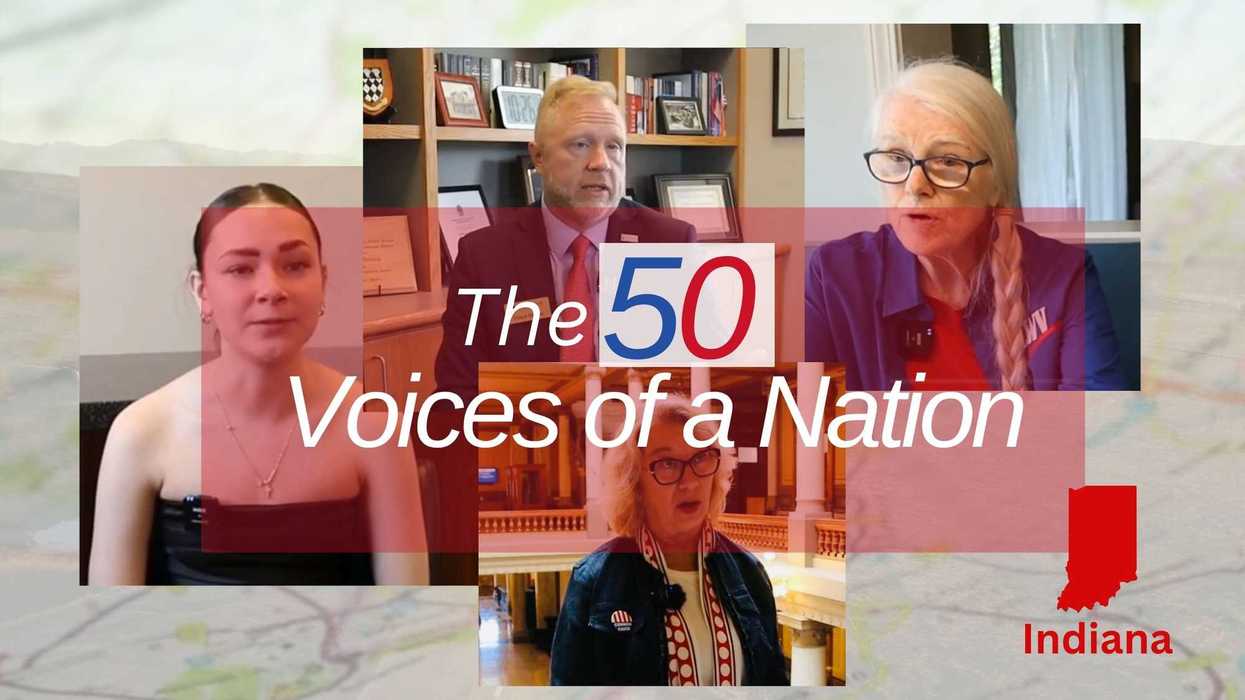
The 50 is an award-winning documentary series. The four-year multimedia initiative led by The Fulcrum, travels to communities in every state to uncover what motivated Americans to vote in the 2024 presidential election. Through in-depth storytelling, the project examines how the Donald Trump administration is responding to those hopes and concerns—and highlights civic-focused organizations that inform, educate, and empower the public to take action.










The President Invited Iran to Bomb My Home