

At the New York Knicks NBA Championship parade last month, hundreds of thousands of New Yorkers of all stripes came together to celebrate the first Knicks title win in 53 years. The city united in public exuberance as strangers hugged, chanted, and danced together in the streets. In a deeply divided era, a basketball team did what our political institutions haven’t managed in years: it brought people together.
Yet while the celebrations in the country’s biggest city made national news, the same process of joy and unity through sports takes place less visibly every day in America’s little league baseball tournaments, summer recreational leagues, high school football games, gymnastics meets, and countless other athletic events. Bringing together players, coaches, and fans across red and blue lines, sports remind us that we are each more than our political affiliations.
Sports are also one of the last spaces where Americans promote team rivalries and vigorous competition, even while they expect all involved to play fair and accept outcomes—an official’s call, a game’s final score, and a season’s worth of results. We fully understand that good sportsmanship makes every sport better, providing a roadmap for democratic renewal.
Nearly 8 in 10 Americans believe being a good sport is similar to being a good citizen, according to the Reagan Foundation Center on Civility and Democracy’s recent survey on civility and sportsmanship. The survey also found that 64% believe sports competition teaches people how to manage conflict respectfully. Americans get it—major sports fans believe it even more. Seventy percent of major sports fans report that they are comfortable discussing politics with people they disagree with, compared to 55% of the general public.
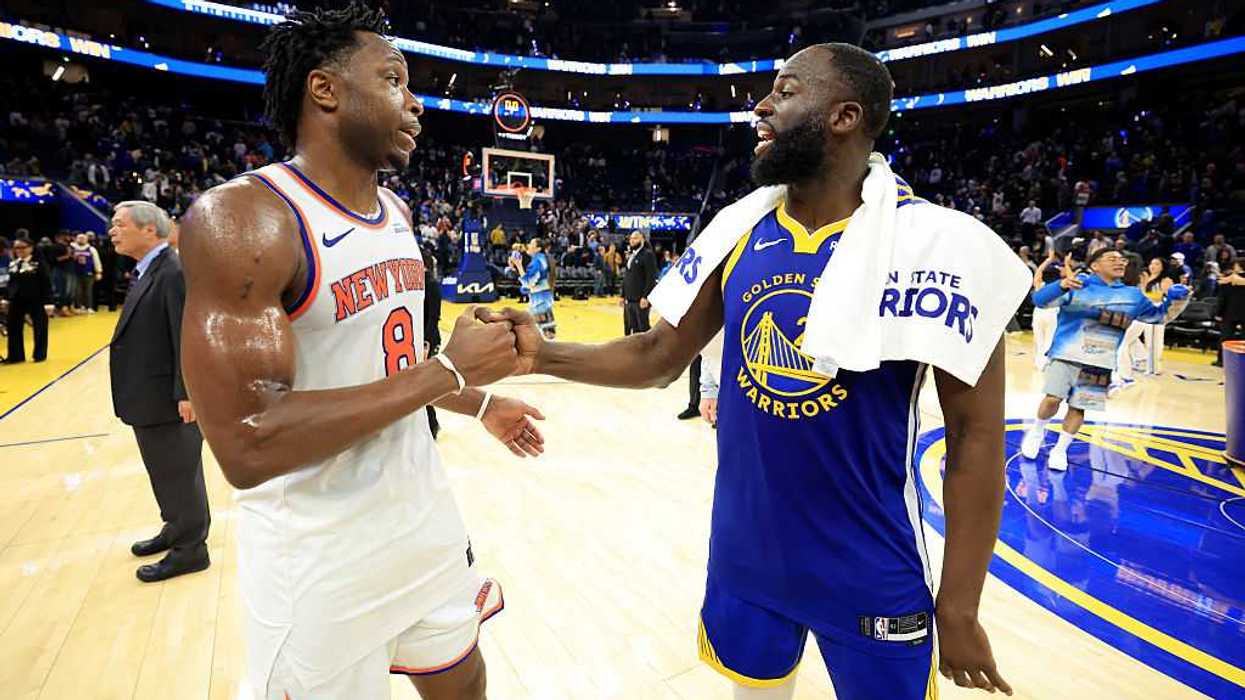
Sports cultivate civility in a variety of ways. The handshake at the end of a hard-fought game is a recognition of the dedication and practice that led to an opponent’s skill. That kind of respect isn’t learned in a civics lesson. It’s lived through frequent contact and repeated engagement—season after season--with the people and the teams you’re trying to beat on the field.
Sports also teach us that no player wins alone, apart from coaches, teammates, and parents. Teamwork makes the common good tangible, reifying an idea politics usually keeps abstract: that we succeed or fail together. And in a society that’s increasingly atomized and lonely, sports leagues, recreational teams, and rivalries function as one of the few durable associations left, the kind of recurring, face-to-face contact that draws us out of our homes and into community.
Sportsmanship and civility don’t mean that we shouldn’t try to win the game or election, and they don’t mean we have to play soft. Body checking in hockey, for instance—hitting an opponent with your body to separate them from the puck—is part of the game. A specific set of rules dictates legitimate and prohibited behaviors to keep players safe and uphold the traditions of the sport.
In politics, principled obstruction, tough negotiations and procedural complexity aren’t flaws to be managed, but the mechanism through which different interests are expressed and the common good is negotiated. Democracies have room for gamesmanship—sly tactics and hard bargaining—but not bad faith actors, intent on cheating. It’s possible to argue vociferously about the issues that matter most without lying about the facts or attacking the character of your opponent.
Neither sports nor democratic government can survive when there is a disregard for the rules. Cheating breaks the agreement that makes the contest meaningful in the first place. Refusing to accept the results of a fair contest or election, or treating an opponent’s legitimacy as up for debate, isn’t hardball. It’s deceit that erodes the legitimacy of the whole system, causing everyday Americans to lose faith in the institutions that help our country thrive.
Some argue that in politics, the stakes are so much higher than a trophy. Policy involves serious matters, including whether we go to war or remain at peace, who is taxed and how much, how our healthcare system operates, and for some, if there is enough food on the table. I agree heartily: politics is more than a game. It’s for precisely this reason that we must do better.
Higher stakes mean it’s even more important to treat one’s opponent with respect, play by the rules, and uphold civility. Having a functioning political system that overcomes gridlock and partisan disputes with good faith and fair play to find common ground is exactly how we promote individual flourishing and American prosperity.
To restore civility to our fractured political landscape, we should view sports as a blueprint for democracy. Every summer, MLB’s All-Star Game offers a rehearsal of exactly this instinct. Fans of rival teams who cheer fiercely against each other all season reconfigure their divisional loyalties to root for one of the leagues. Players and fans alike discover that what they all have in common is a love of baseball.
Sports bring out the best in us. Whether watching or playing, they teach us how to win with humility and lose with grace. They provide a rare, neutral ground where we learn to respect our opponents’ differences and how to pull together for a common purpose. To strengthen our democracy, we should carry the mindset of the playing field back into our public square.
Lara Brown, Ph.D., is a senior policy advisor at The Ronald Reagan Presidential Foundation’s Center on Civility and Democracy and a former George Washington University professor.

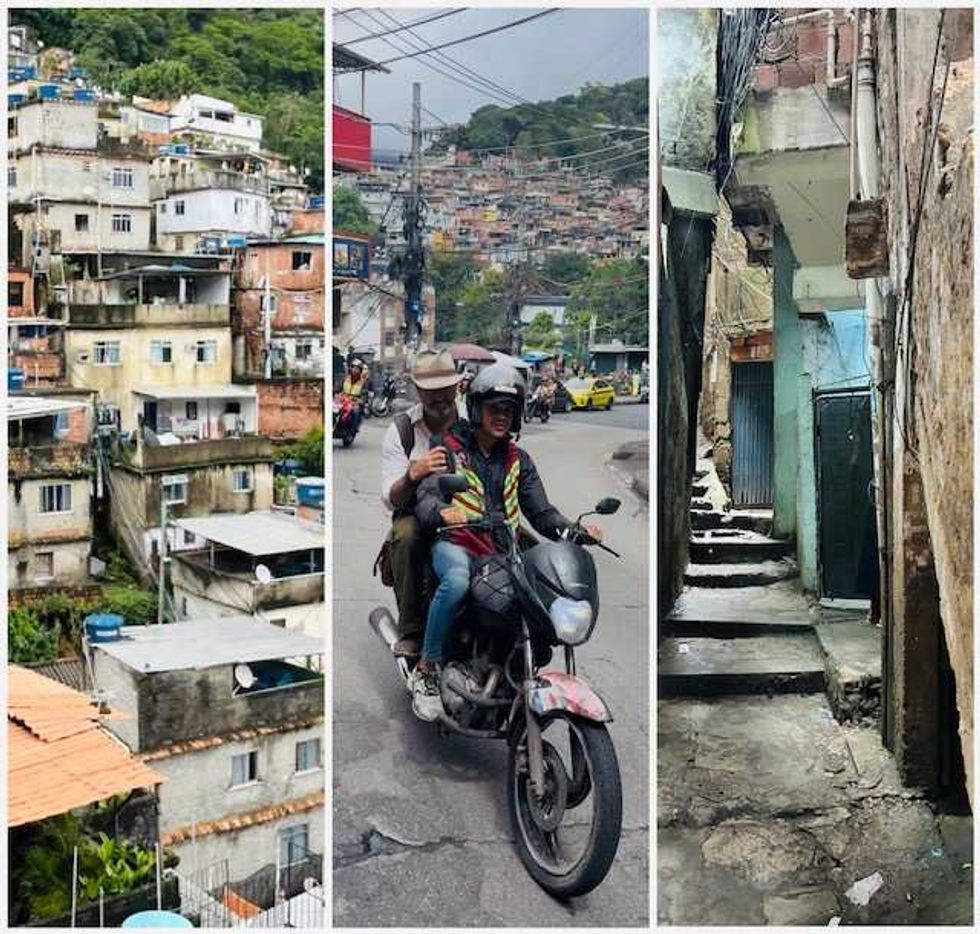 Scenes from Favela Rocinha, Brazil - (R-L) Rows of brick homes, Hugo Balta on a motorcycle taxi, and steep, winding roadsHugo Balta





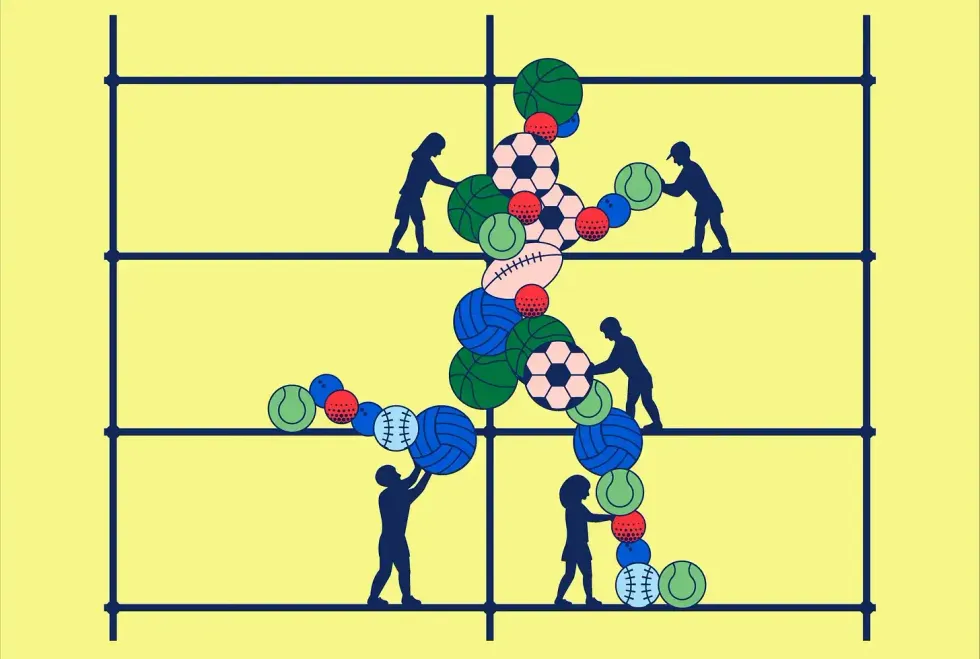 Following our HWF Civic Futures kickoff last week with Eric Liu, our design partners at Public/Official have created a unique visual to capture the “civic scaffolding” spirit of this conversation.
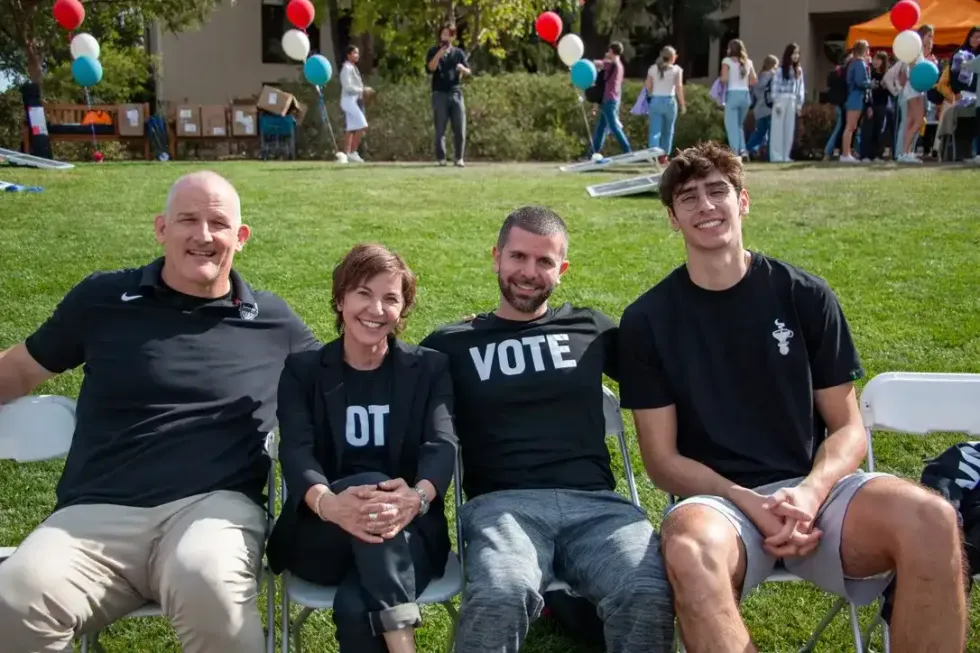 Lisa, Coaches Rev and Matt Elkin, and former Stanford Men’s Basketball star Maxime Raynaud at Stanford’s “All Vote No Play” Democracy Day, 2025