


In this personal op-ed, former Miss Texas & State House candidate Averie Bishop reflects on watching the seat she lost in 2024 flip in the 2026 election, and why she feels gratitude rather than resentment. Drawing on her father's unsuccessful mayoral campaign in McKinney, Texas, she explores how political progress is built on generations of ordinary people who show up, do the work, and often never receive recognition. The piece challenges our tendency to measure success solely by who wins, honoring the volunteers, candidates, and everyday Texans whose quiet persistence laid the groundwork for change. Above all, it's a hopeful reminder that good things take time, but they don't come to those who simply wait.
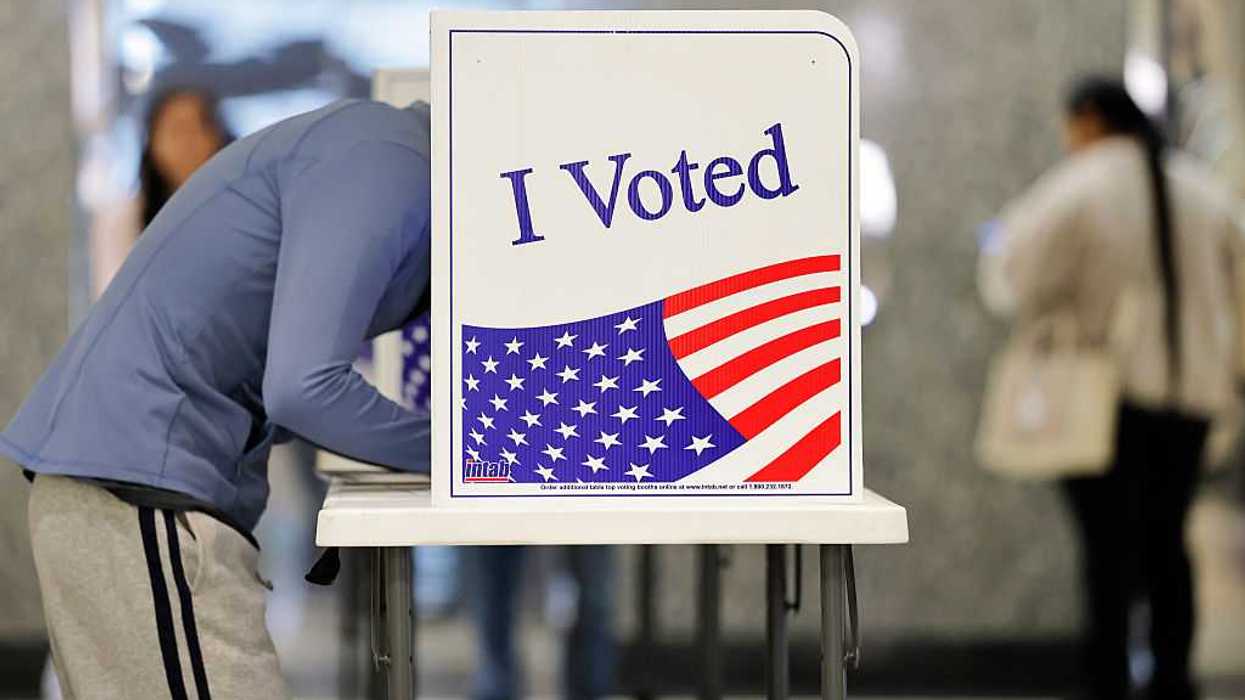
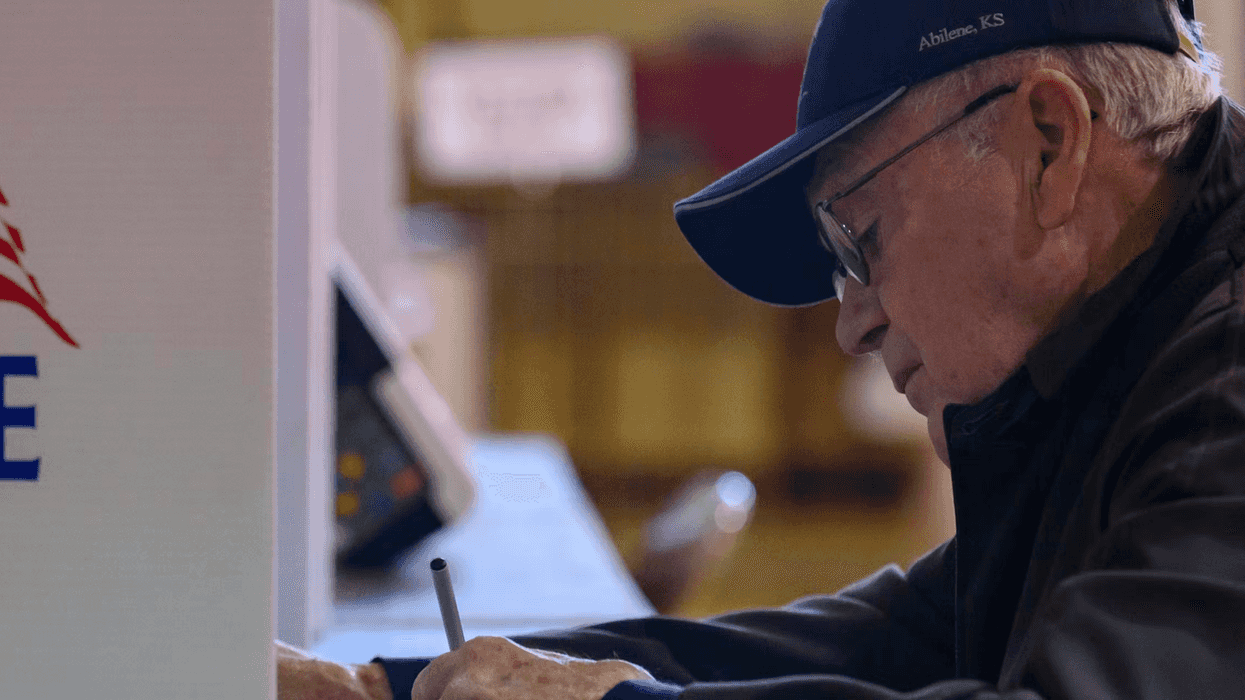
Last night, the Texas House seat I ran for in 2024 flipped from red to blue. And for a brief moment, I thought about how badly I once wanted that victory to be mine.
I spent more than a year running for the Texas Legislature. I knocked on doors in the summer heat, raised money, missed family gatherings, and poured nearly everything I had into the possibility that we could do something different in a state that, for decades, had been told it couldn't.
In 2024, I lost. Last night, someone else won.
I could be bitter. I could wonder why it wasn't me, why voters weren't ready two years ago, or what might have happened if I'd done one more thing differently. But watching the election results come in reminded me of something I've been learning since I was a teenager: Sometimes you do the work without ever seeing yourself in the reward. That doesn't mean the work was wasted.
I learned that lesson from my dad.
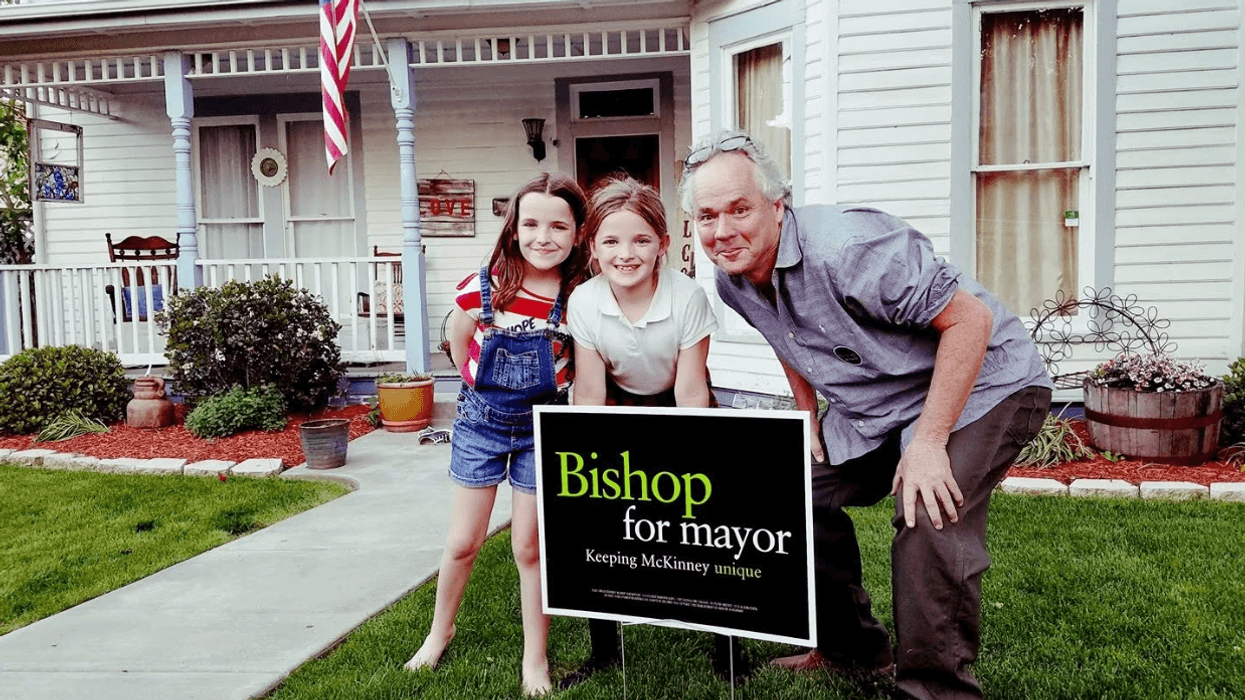
Growing up in McKinney, Texas, I watched my father drive a public school bus. He wasn't wealthy, politically connected, or interested in a political career. He was a hardworking man who believed the students and teachers in his community deserved better.
So he decided to run for mayor. He had about $500 in his checking account. Not $500,000 in campaign contributions. Not wealthy donors or a team of consultants. $500 and the audacity to believe public service shouldn't be reserved for people who can afford it.
He lost.
I was a teenager then, and I didn't understand campaign finance, political strategy, or the systems that make running for office so difficult for ordinary people. But I understood that my dad cared enough to try. And somewhere in that experience, I began to understand what made Texas special. Not necessarily its politicians or politics, but its people.
People like my father, who get up before sunrise to drive children to school. People who work two jobs, raise families, teach classrooms, and somehow still find time to care about the strangers living down the street.
Years later, when I decided to run for office, I carried a little bit of that $500 campaign with me. I was a first-generation college graduate, the daughter of a Filipino immigrant, a former Miss Texas, and a young woman who believed public service should look a little more like the public. I knew what it was like to love a state that didn't always make you feel like you belonged.
So I ran. When I lost, I wondered whether any of it mattered.
That's the cruel thing about politics. We measure success in election-night percentages, as though everything that happened before the polls closed disappears when the results don't go our way.
We call candidates losers, pack up the yard signs, and move on. But democracy doesn't operate on the neat timelines we assign to campaign cycles. An election can be lost in one night. Changing a community can take generations.
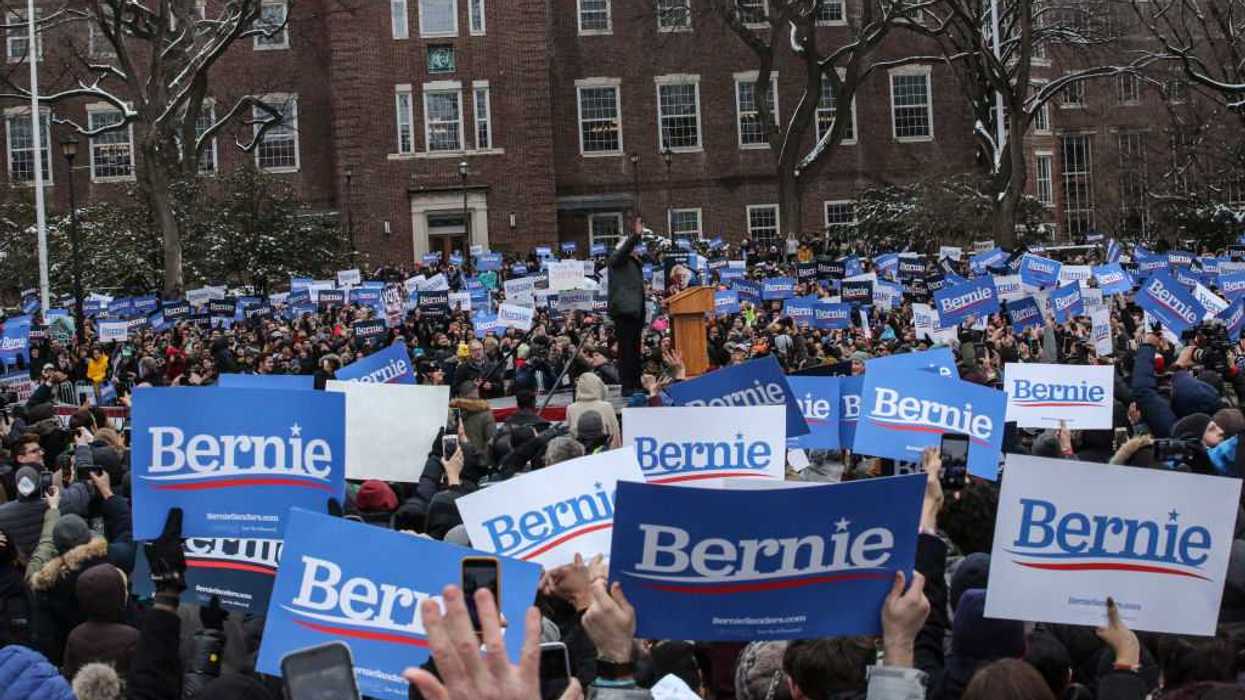
Texas did not suddenly become a different state on November 3. The people who made last night possible were here, all along. They were the volunteers knocking on doors when nobody answered. The retirees writing postcards at their kitchen tables. The college students registering voters between classes. The local organizers who kept showing up, election after election, even when nobody believed their efforts would amount to anything.
They were candidates who ran knowing the odds were against them, sacrificing their savings, relationships, privacy, and time, only to lose. And they were the Texans who desperately wanted to leave.
Some stayed because they couldn't afford to move. Some stayed because their families and jobs were here, or because leaving the only home they'd ever known was simply too much to ask. And some, I suspect, stayed because they carried a tiny, stubborn kernel of hope that things might one day be different.
Not everyone stayed out of optimism. Sometimes staying is simply survival. But staying meant they remained part of the story. That is why I take issue with the idea that a handful of winning candidates somehow transformed Texas overnight.
We love a political success story featuring a charismatic candidate and an impressive election-night speech. We're less interested in celebrating those who spent decades laying the groundwork for that speech.
The people who didn't run. The people who volunteer. The people whose names we'll never know. Regardless of party, a healthy democracy should never depend on anyone being permanently entitled to power. Elected officials should earn the public's trust and remember that their seats ultimately belong to the people.
But there's another lesson here. Good things take time, yet they do not come to those who simply wait. I've never particularly liked the saying that good things come to those who wait. It makes patience sound like a substitute for participation.
My father didn't wait for someone wealthier to speak up for his community. I didn't wait until I was older or more politically acceptable to run for office. And thousands of Texans didn't wait for a competitive election to start knocking on doors.
They worked before there was any guarantee their work would matter. That's what hope actually looks like. Not certainty that everything will work out, but the willingness to do something meaningful without knowing whether it will.
Today, I'm thinking about my dad. He never became mayor. I never became the representative for House District 112. Yet watching that seat change hands last night, I felt something unexpected.
Not resentment. Gratitude.
For my father. For the precinct chairs & blockwalkers who worked beside me. For those who came before us. And for those who kept going after we lost.
I used to think winning an election proved your work mattered. Now I understand that sometimes the work matters precisely because it outlives you. Texas didn't change overnight. People worked for decades to change it.
And history rarely belongs to the people who waited for it. It belongs to the people who showed up before anyone believed it was possible.
Averie Bishop is a Democracy Architects Fellow and a lawyer, former Miss Texas, and Democracy Architects Council Fellow. She ran for the Texas State Legislature at 26 and now talks local politics, pop culture, and life in Dallas with nearly a million followers online.