

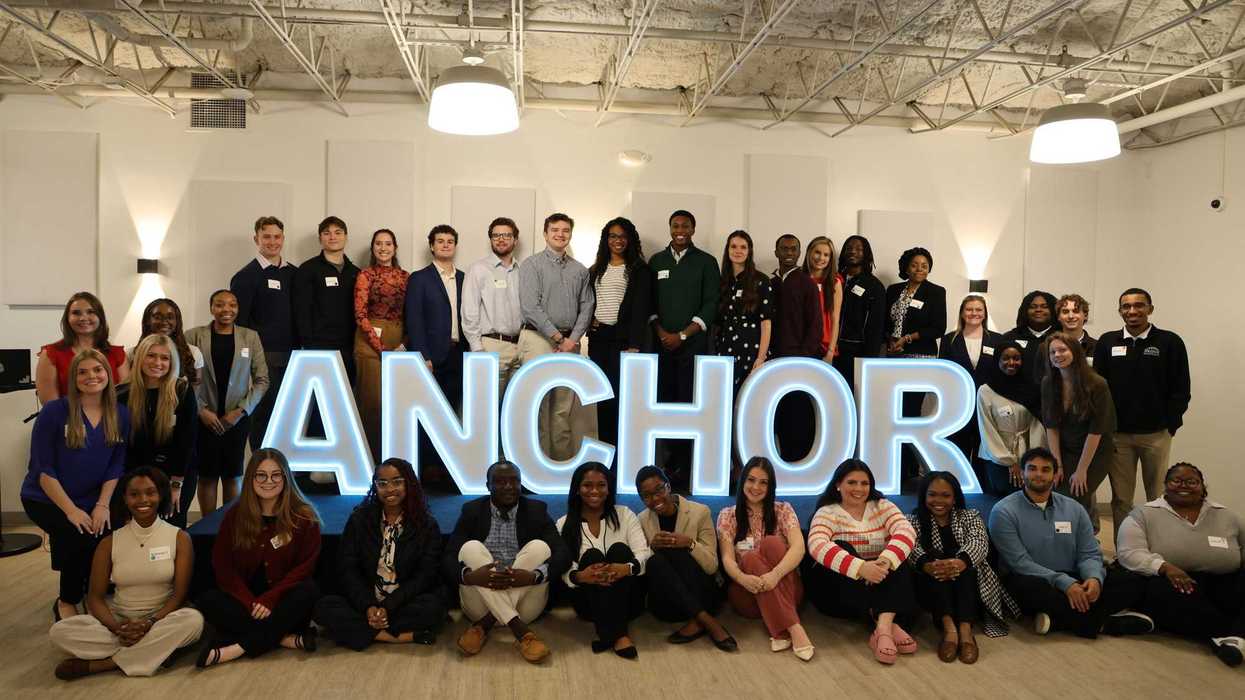

An initiative designed to encourage college graduates to stay in West Alabama offers another lesson: Democracy grows stronger when students become part of the communities they call home.
“We are excited that you want to learn more about how Anchor Tuscaloosa can support your career development and help you build meaningful connections within our community.”
Those words appeared in my inbox on November 20, 2025, in an email inviting me to interview for the second cohort of Anchor Tuscaloosa. It was a welcome invitation, but one phrase caught my attention: meaningful connections within our community.
As an international student from northern Nigeria pursuing my Ph.D. at the University of Alabama, I have experienced Tuscaloosa through cultural differences, weather, social norms, and everyday interactions. Some things initially felt unfamiliar. Others reminded me of home, especially the importance people place on hospitality, personal relationships, and community.
I came to Tuscaloosa for an education. Over time, however, I began imagining something beyond earning a degree. This city could become my second home, a place where I might build a family, establish a career, and contribute to the community.
That desire to belong was one reason I joined Anchor Tuscaloosa.
Launched in 2024, Anchor Tuscaloosa is a collaborative initiative powered by FuelAL, bringing together the Chamber of Commerce of West Alabama, the Tuscaloosa County Economic Development Authority and Visit Tuscaloosa. Its primary mission is to connect college students with professional opportunities, community leaders, and local experiences that might encourage them to remain in West Alabama after graduation.
As local reporting documented when the program launched, participants would have opportunities to engage with business leaders, nonprofit organizations, and elected officials.
A University of Alabama Blackburn Institute account describes how the inaugural cohort explored local businesses, nonprofit organizations and community institutions.
These activities serve an economic purpose, but I believe they offer something equally important: an opportunity to strengthen local democracy.
American democracy is frequently discussed through presidential elections, congressional disputes and political debates in Washington. Yet decisions affecting everyday life are also made in city halls, county institutions, and state legislatures.
Understanding how these institutions function, who makes decisions, and how residents can participate is part of becoming an engaged member of a community.
For me, one of Anchor Tuscaloosa's most meaningful features is its emphasis on civic engagement.
The program gives students opportunities to interact with local and state elected officials. Our cohort's planned activities include engagement with the mayors of Tuscaloosa and Northport and lawmakers in Montgomery.
These encounters offer something textbooks cannot always teach. Students can ask questions, understand public responsibilities, and explore how government decisions affect their communities.
More importantly, they can begin to recognize public officials as people who should be accessible to the communities they represent.
Of course, meeting a mayor or lawmaker does not automatically strengthen democracy. The real value lies in what students learn from those encounters and whether they continue participating in public affairs afterward.
A program that helps young people understand local institutions can encourage them to attend public meetings, volunteer, engage with community organizations, and take an interest in decisions affecting their neighborhoods.
That understanding is particularly important for students who arrive from outside Tuscaloosa County, including international students.
Our relationship with American civic life is sometimes defined mainly by immigration regulations and academic responsibilities. Yet international students also live in American communities, interact with residents and experience the consequences of public decisions.
Although we cannot vote in federal elections, civic participation extends beyond the ballot box.
We can volunteer, participate in community discussions, learn about public institutions, and contribute perspectives shaped by experiences in other countries.
For me, Anchor Tuscaloosa offers an opportunity to understand American democracy beyond what I encounter in classrooms or national political debates.
Having spent years reporting on governance, conflict, and public affairs in Nigeria, I am particularly interested in how citizens relate to government institutions. My professional experience has taught me that elections alone cannot sustain meaningful democratic participation.
People also need opportunities to understand how government works, raise concerns, and participate in decisions affecting their communities.
American universities play an important role in encouraging that engagement.
They prepare students for employment and professional advancement, but education should also help young people develop relationships with the communities surrounding their campuses.
The announcement of Anchor Tuscaloosa's 2026 cohort described a five-session initiative connecting students with local leaders, employers, and organizations. I was fortunate to be selected following an application and interview process.
But programs like Anchor Tuscaloosa should be assessed by more than the number of graduates who remain in the region.
Are participants becoming more involved in community organizations? Do they understand local government better? Are they developing relationships beyond university campuses? Are they more willing to participate in discussions about public issues?
These questions can help determine whether professional development initiatives are also cultivating long-term civic engagement.
In an era when American political conversations often center on division and distrust, the quieter work of building relationships between communities and institutions has value.
Anchor Tuscaloosa was created to encourage students to imagine a future in West Alabama. Its broader significance, I believe, lies in helping them understand how to become part of that future.
I still remember the promise contained in that November email: meaningful connections within our community.
Those connections have helped shape how I think about Tuscaloosa, not simply as the city where I attend university, but as somewhere I hope to belong and contribute.
Democracy is expressed through elections. It is also sustained when people learn to understand their neighbors, engage with public institutions, and take responsibility for the communities they call home.
Idris Mohammed is a Ph.D. student at the University of Alabama concentrating in Journalism & Creative Media and a fall Fulcrum Fellow.