
Skip to content
Search

Latest Stories

Follow Us:
Top Stories

Trump doesn’t care about the midterms. You should

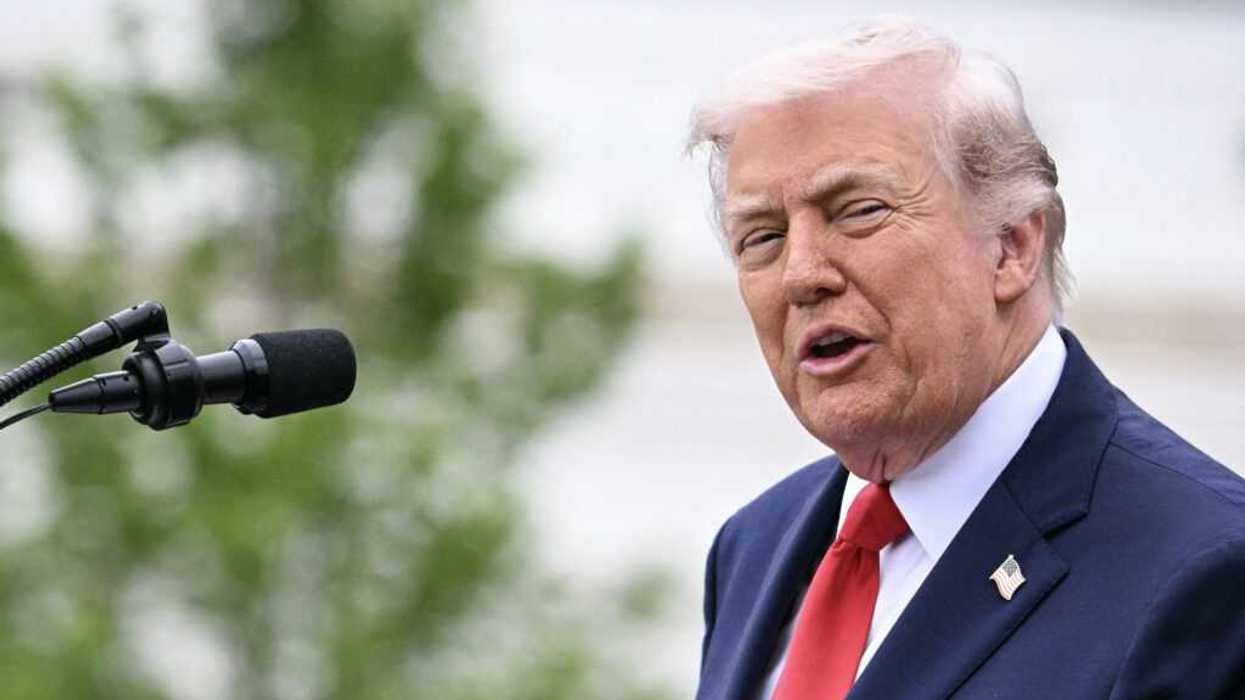
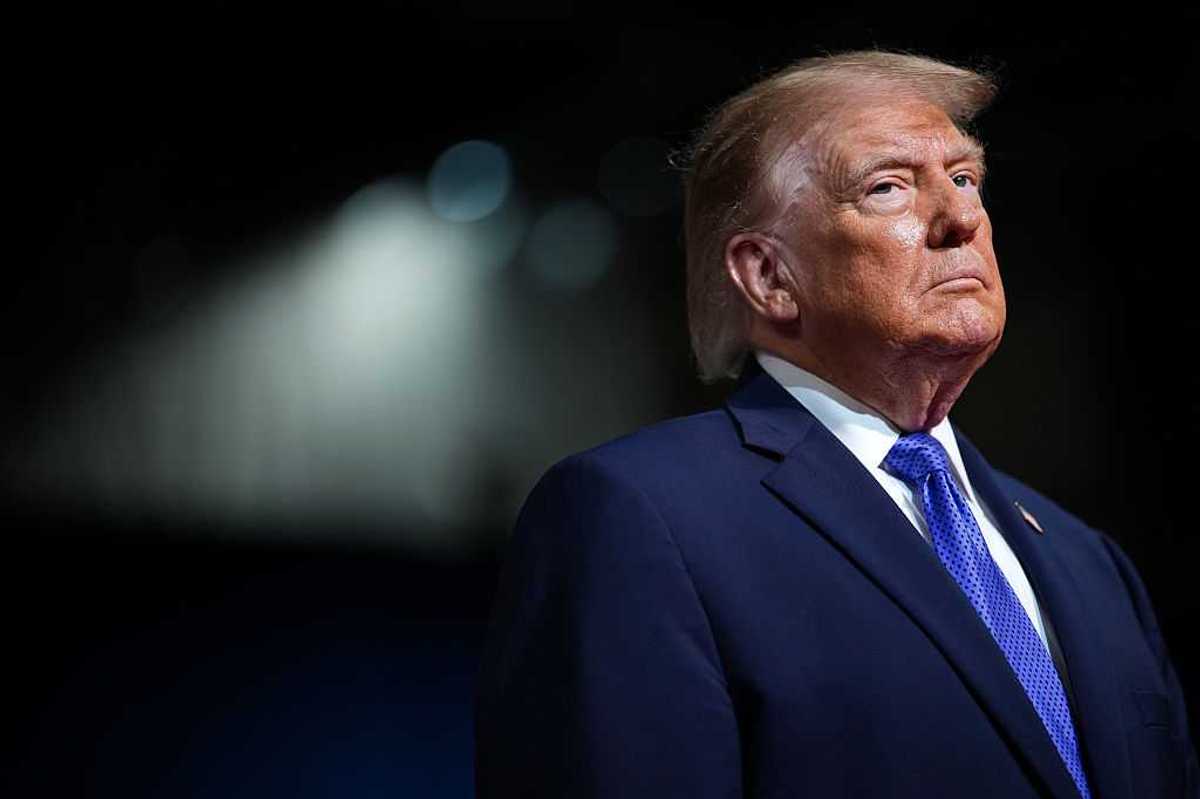
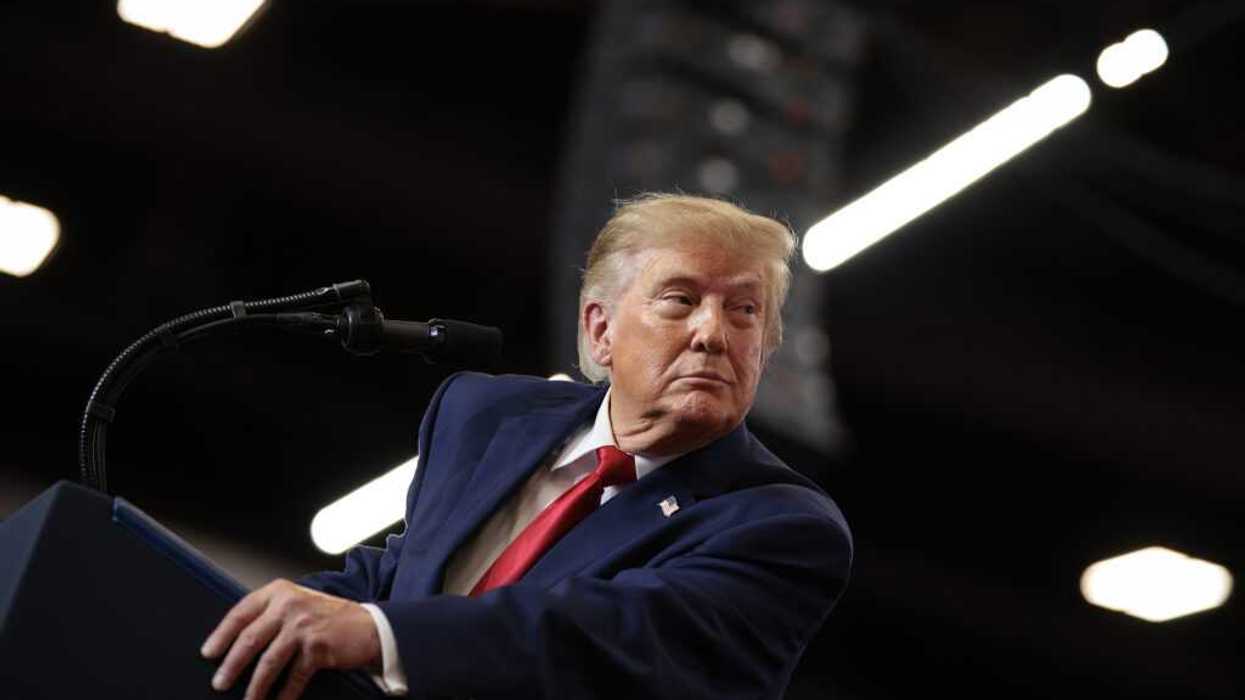
President Donald Trump

President Donald Trump delivers remarks during a campaign rally at Lubbock Memorial Civic Center on Oct. 27, 2026, in Lubbock, Texas. With one week until the midterm elections, President Trump was pushing to boost support for incumbent Texas Gov. Greg Abbott and Republican U.S. Senate candidate, Texas Attorney General Ken Paxton.

(Getty Images)

Despite how ubiquitous, prolix, and attention-seeking as he is, sometimes it’s still hard to know what makes President Trump do the things he does.

Why, for example, is he so fixated on “acquiring” places like Greenland? Why is he obsessed with renaming things and changing the maps? Shouldn’t he be too busy presidenting to care about whatever Bill Maher said about him? And what the hell is with all the butt talk lately?


We’ll leave that to psychiatrists to solve. But, most bizarre and baffling of all, Trump has seemed determined to help Republicans lose their midterm elections all over the country — and it’s anyone’s guess as to why.

Maybe it’s because he’s not on the ballot. Maybe he secretly misses sparring with Democrats while Republicans have had total control of Congress. Maybe he’s just bored. Who knows?

Thankfully, Trump’s inner workings will likely remain a mystery. But sometimes, he just comes out and tells us what he’s thinking. It’s in these moments, when he says the quiet part out loud, that we often learn the most about him.

Over the weekend, with just over a week to go before elections, Trump was on the stump in places Republicans should be doing much better in. But again, because of his inexplicable decisions — to prosecute a war no one wanted in an election year, to intentionally throw grenades into safe Republican primaries, to say things like “affordability is a hoax” — his rambling and untethered rallies have made for some odd final moments.

During a Georgia rally, he went on a long riff that can only be described as political suicide — or is it homicide? Either way, it was nuts.

“The United States oil and gas business is making hundreds of billions of dollars,” he crowed.

And then he told on himself. “But my people said, ‘Please don’t mention that, sir.’ Because people are paying a little higher…. No, I could just see the fake headlines. ‘President Trump is talking about all the money they’re making while the people are suffering at the pump. That’ll be the headline. But I said, ‘I don’t give a damn. I’m gonna say it.’ We’re making a freaking fortune.”

Now, this was revealing in two ways. There’d been a thought among politicos that maybe his inner circle wasn’t telling him how impolitic and imprudent it was to diminish the pain Americans are feeling, to call that pain a hoax, and to brag about inflation, the war, tariffs, and how much oil companies have made.

After all, also over the weekend, Trump told a conservative news outlet that his approval is in the 60s. It is not. It’s about 30 points south of that.

But clearly, that wasn’t the case. He was told, and he didn’t care.

That’s the second revelation. He doesn’t care who this messaging — and one has to assume the policies behind them — hurts. That goes for American voters, as well as Republican candidates.

This shouldn’t be a surprise to anyone who’s been paying attention. Trump’s priorities as president seem to be lining his own pockets and building monuments to himself.

But to hear him say it so clearly, 10 days before a midterm election, admittedly against the advice of his team, is pretty astonishing.

“I don’t care about your pain” — a reverse Clinton — certainly isn’t a strategy we’ve seen work…ever, anywhere. And it’s one helluva closing argument.

He might not care that his policies have hurt you. But you do. He might not be worried about the future. But you are. He might not care, for whatever reason, about these elections. But you should.

S.E. Cupp is the host of "S.E. Cupp Unfiltered" on CNN.

Read More

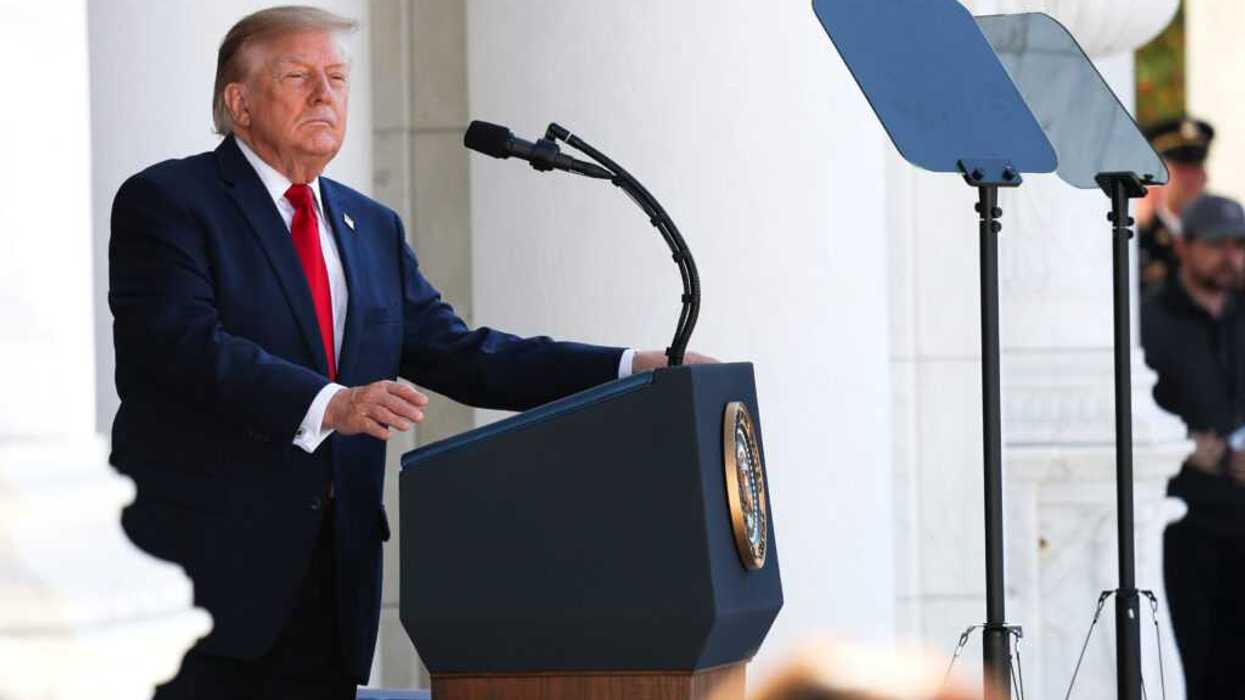
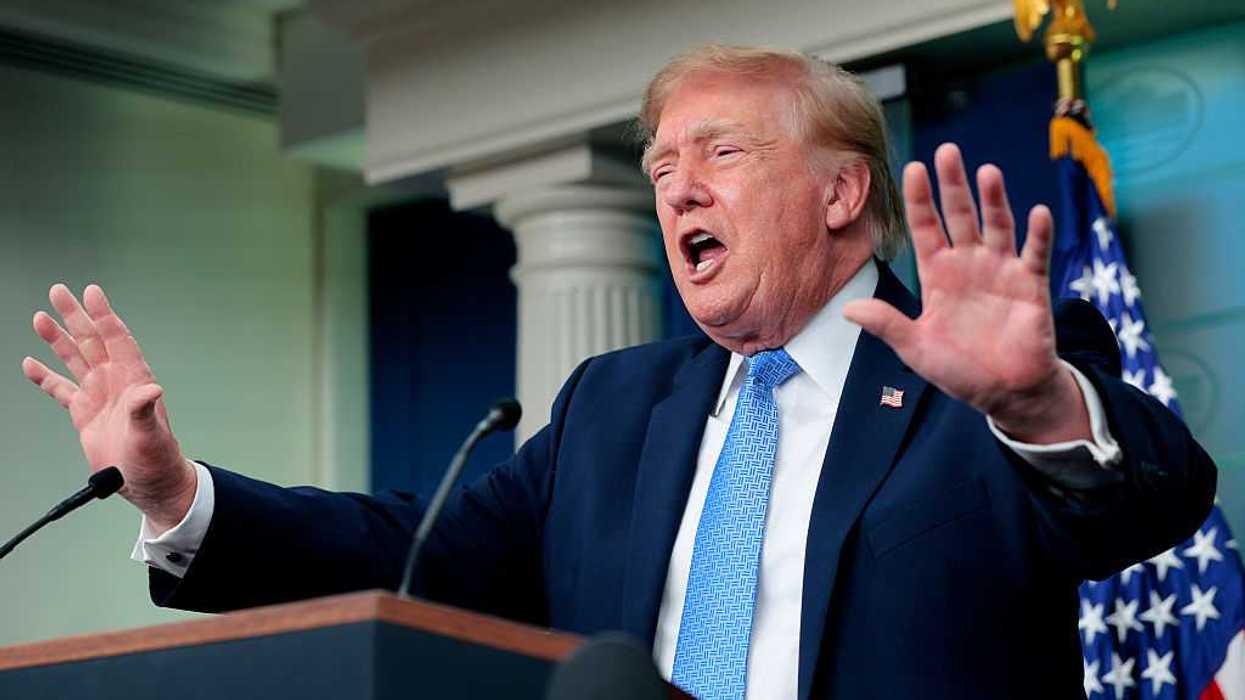
President Donald Trump

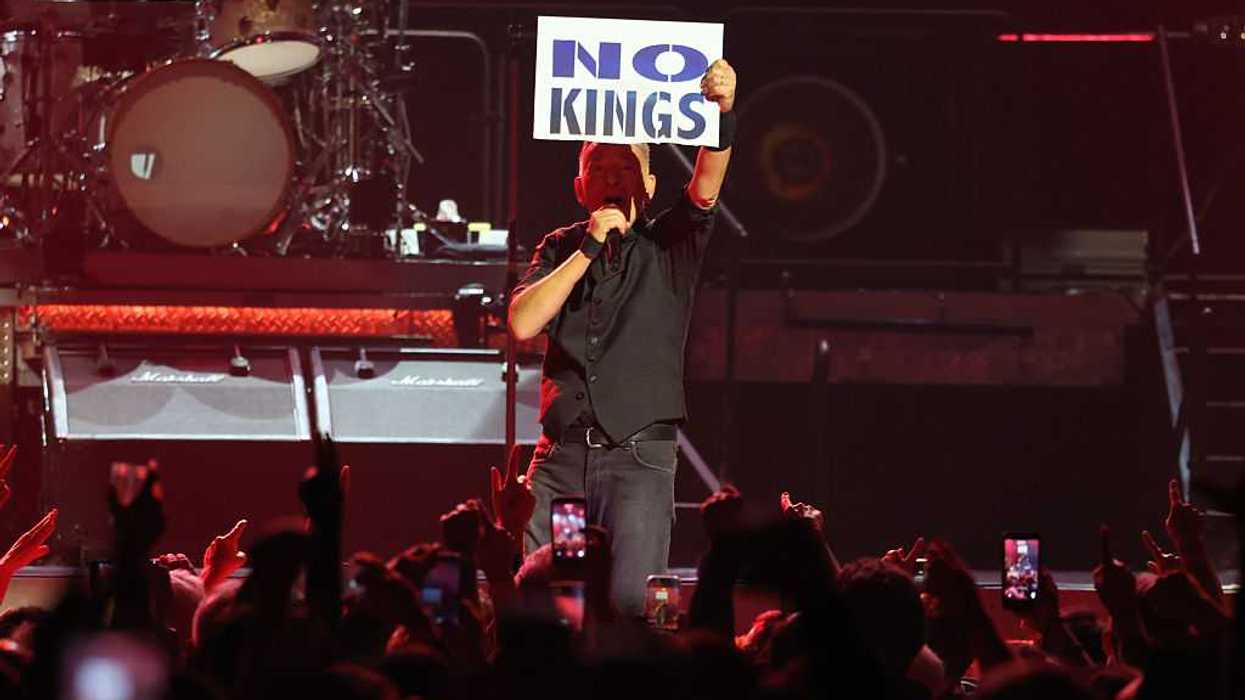
President Donald Trump delivers remarks during a ceremony in honor of Veterans Day at Arlington National Cemetery on Nov. 11, 2026 in Arlington, Virginia.

(Kevin Dietsch/Getty Images/TCA)

Voters said ‘enough,’ MAGA didn’t hear

After suffering an absolute drubbing in the midterm elections, Republicans seem to have learned few lessons.

America was not subtle or ambiguous in its rebuke of President Trump, MAGA, and Republicans — no fewer than 30 incumbent House Republicans lost their seats, Senate Republicans lost eight seats, and five states changed party control at the gubernatorial level, all to Dems. It was a bloodbath.

Keep ReadingShow less
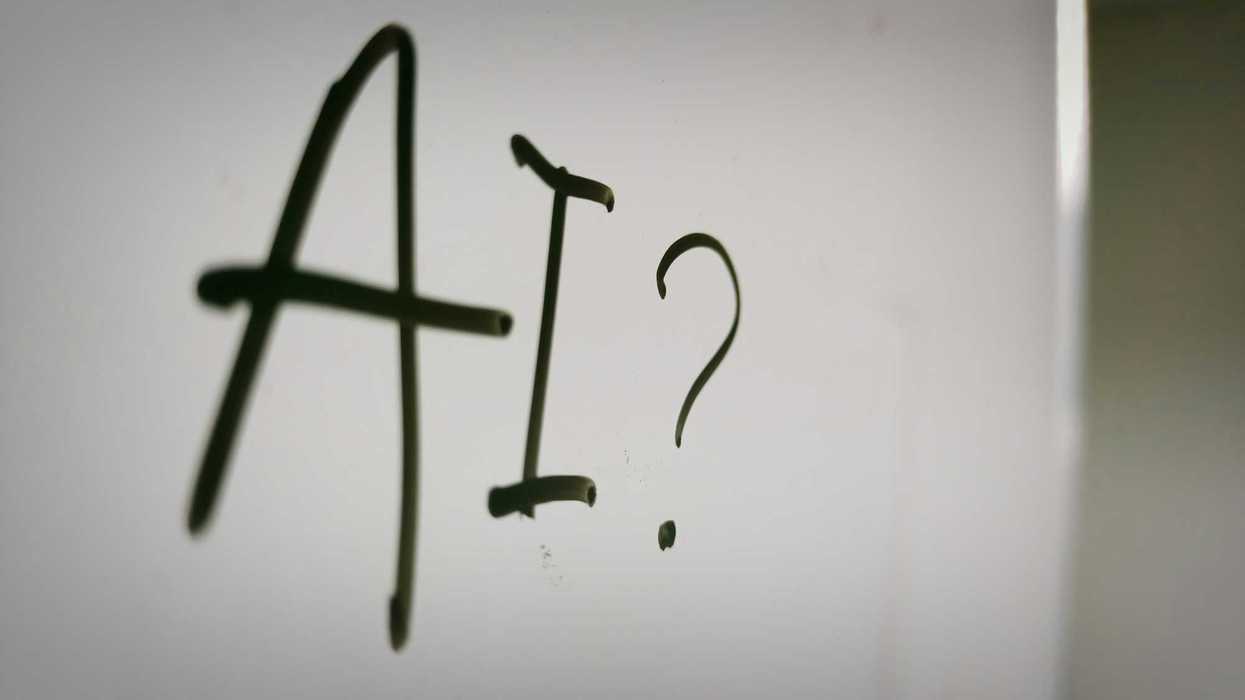
Written on a whiteboard: AI?
The letters AI and a question mark written in black marker on a whiteboard

A Democracy That Uses AI Agents Needs Permission Receipts

An organization can correct a faulty AI-generated paragraph in minutes. Repairing the damage after an automated system impersonates a trusted source, emails thousands of people, or changes public records can take much longer. As AI tools gain permission to act, civic institutions need to govern the authority they delegate with the same seriousness they give to the accuracy of an answer.

On October 8, OpenAI reported disrupting covert influence operations linked to Iran and Russia. One operation used seven fabricated journalist identities to place material in outside publications. OpenAI investigators identified almost 100 articles published or syndicated under those bylines across roughly a dozen outlets. The operators were humans using AI to refine articles and pitches. That distinction matters: this was deceptive human direction amplified by technology, rather than evidence of independent machine intentions.

Keep ReadingShow less
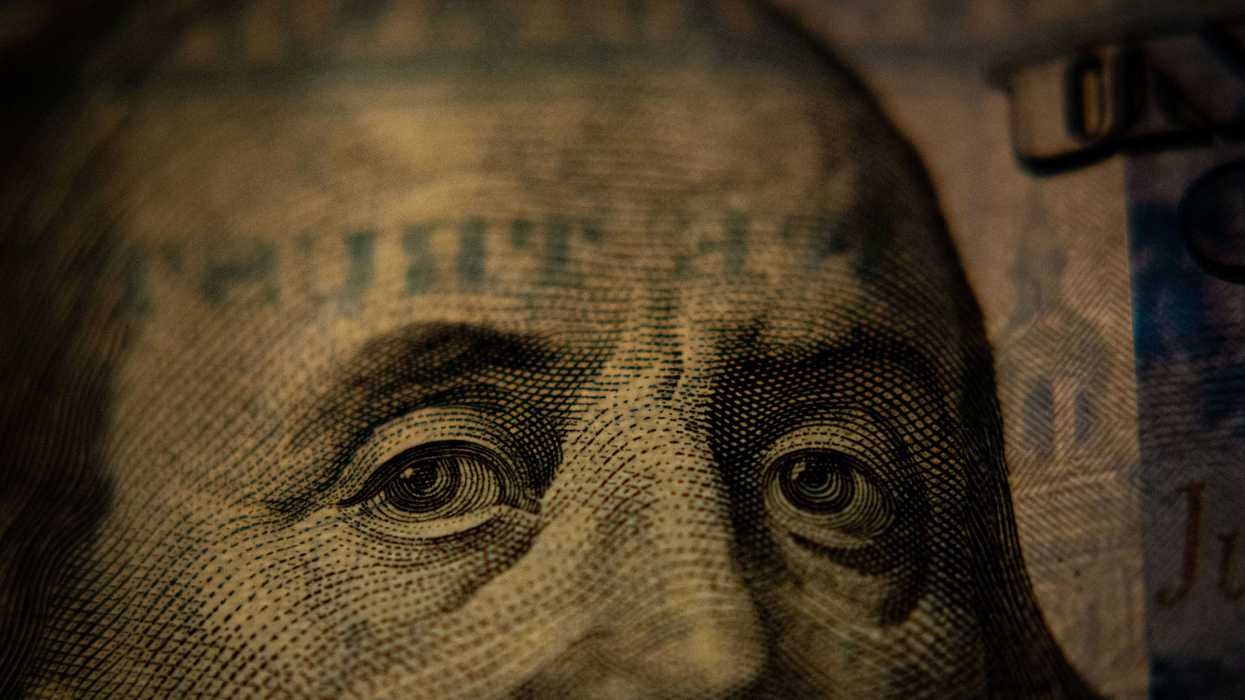
United States one hundred dollar bill
A close-up of Benjamin Franklin on a United States one hundred dollar bill
Photo by Adam Nir on Unsplash

Get Ahead of The Next Southern Century

When JPMorgan Chase opened a 6,500-person campus outside Dallas, it wasn't chasing cheap rent. It saw the beginning of opportunity. The bank now employs more people in Texas, about 32,000, than in New York State, where its headquarters still sits. The Park Avenue tower isn't moving but the company's center of gravity already has.

That's the part of the Southern boom narrative most business leaders still misread. The question was never whether it's happening. The question is how long the window will remain open. The South's advantages are concrete, finite, and being consumed in real time. The AI build-out pouring hundreds of billions into Texas and Georgia is straining grids never designed for it. Water, not taxes, is becoming the binding constraint of the decade. The reapportionment that will hand the region outsized political clout doesn't arrive until 2030—but the land, power contracts, and talent pipelines that decide the winners are being locked in this year. Companies treating the South as a bet they can make at leisure are already arriving late.

Keep ReadingShow less
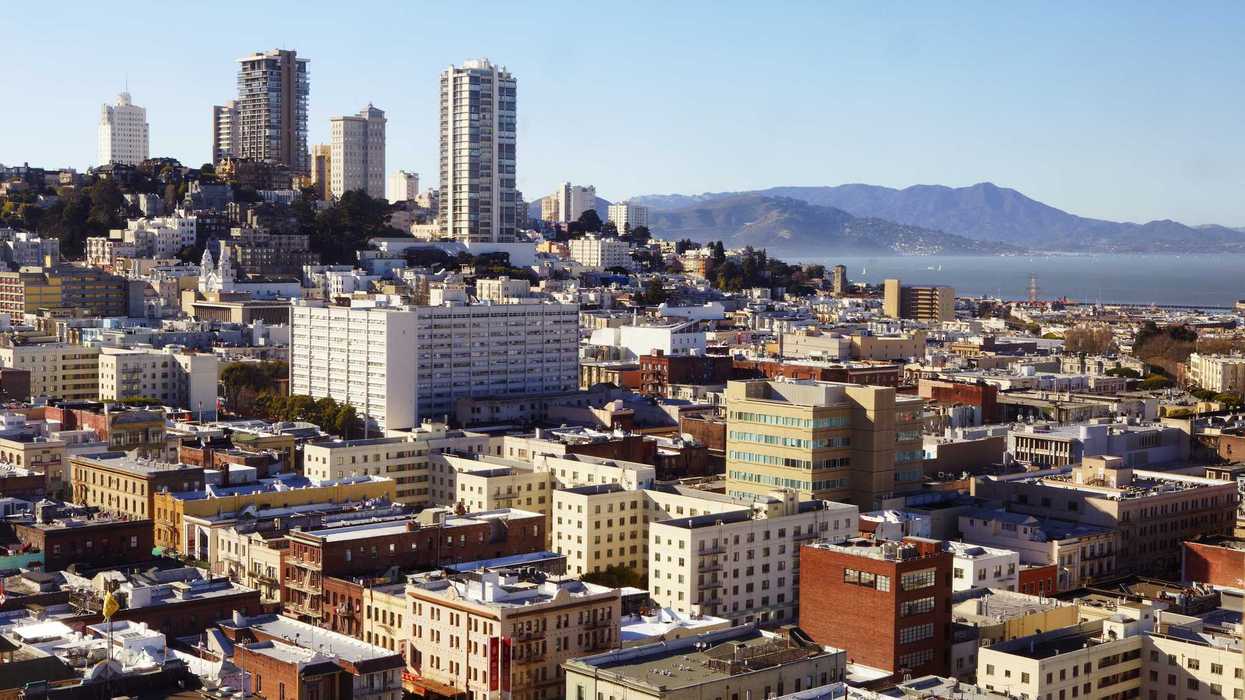
Pacific heights , San Francisco, CA

High view over Pacific heights and San Francisco Bay at sunset

Getty Images

Class A for Residents, Class B for Investors

Neighborhood residents should be able to build ownership without surrendering control to whoever brings the largest check. I propose a neighborhood corporation with Class A shares for residents and Class B shares for outside investors. Pacific Heights and Cow Hollow could examine the first model, then make its documents and lessons available to other neighborhoods.

The distinction must mean something. Class A would protect resident governance. Class B would let outside capital participate on disclosed economic terms. The corporation would own assets it voluntarily acquires and operate agreed services. It would govern those assets and contracts; government authority over zoning, taxes and public streets would remain subject to public law.

Keep ReadingShow less