



The Trump administration has expended significant resources trying to meddle in elections ahead of the midterms. This coordinated campaign includes attempts to limit who can vote, wrestle away states’ authority over elections, and undermine public confidence in election outcomes. So far, virtually everything the administration has tried has been blocked by courts, failed in Congress, or simply fizzled out.
Currently, the administration is 0–21 in its court cases seeking to amass state voter data. In dozens of states, election officials from both parties have refused to turn over their complete voter rolls, which contain confidential personal information, to the Justice Department. Federal courts from Arizona to Maine have thrown out the department’s lawsuits, ruling that the federal government lacks the power to force states to hand over this data on a mass scale.
Both of Trump’s executive orders aiming to overhaul election rules have also failed in court. The first one purported to require people to show a passport or another document proving citizenship to register to vote using the federal voter registration form. Several courts have blocked the policy. The second executive order would have the U.S. Postal Service refuse to deliver the mail ballots of voters who aren’t on new, ill-defined lists that states and USPS would be asked to create. In June, a court prevented it from taking effect. (The Brennan Center represents parties in lawsuits against both executive orders.) These cases are on appeal, but courts have consistently held that the Constitution gives the president no authority to regulate elections.
In a separate case, a court ruled that the administration may not expand the use of the Systematic Alien Verification for Entitlements program, a federal database, to comb through state voter rolls for potential noncitizens. This is an important ruling because the program is incomplete and likely to incorrectly flag citizens for removal from the rolls. Voting by noncitizens is already illegal and extremely rare.
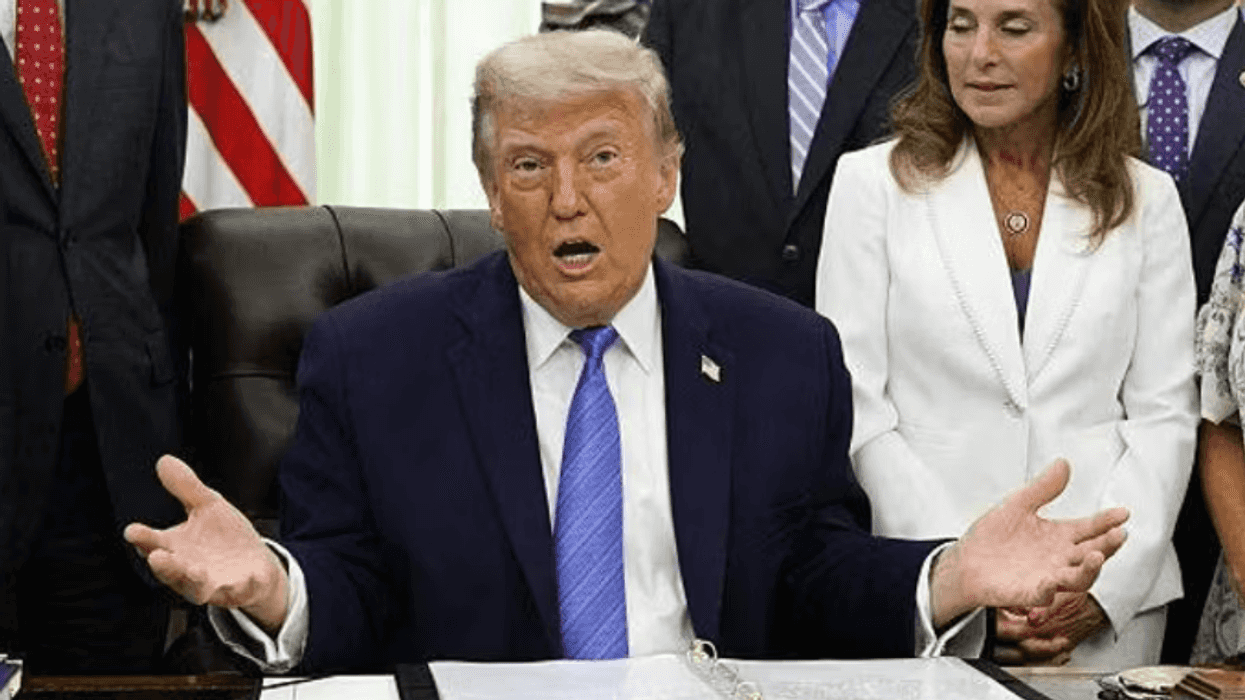
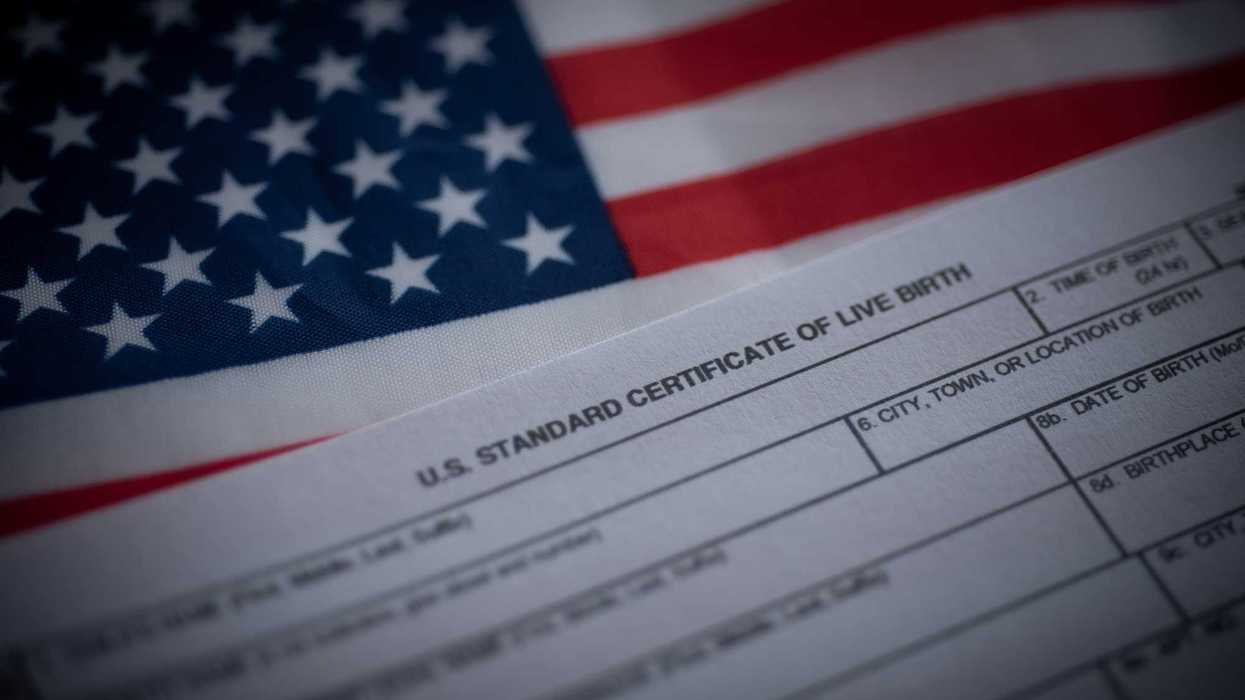
The administration’s losses extend beyond the courtroom. In the halls of Congress, President Trump has consistently demanded passage of the unpopular SAVE Act — legislation that would require Americans to show a passport or birth certificate in order to register to vote. If passed, the bill could block tens of millions of eligible American citizens from voting. So far, that effort remains stalled in the face of nationwide public opposition.
Another prong of the administration’s attack on elections is to demonize and prosecute election officials who refuse to go along with its schemes. The Justice Department recently sent a letter threatening jail time for officials in states that don’t tighten their voting rules under the guise of preventing noncitizens from casting ballots. The secretary of homeland security also claimed that officials who didn’t follow the administration’s instructions to remove voters from the rolls could go to prison. The point of these threats is to intimidate election officials into voluntarily enacting the policies Trump can’t get passed in Congress or approved by courts.
Attempted prosecutions of political adversaries have failed in other contexts. The administration shattered prosecutorial norms to charge New York Attorney General Letitia James and former FBI Director James Comey. A judge threw out the charges and rebuked the lawyer (one of Trump’s former personal lawyers who had no criminal law experience) who brought them, while another judge found she may have committed misconduct. Comey now faces a second prosecution over arranging seashells into the pattern “86 47,” which prosecutors say is a threat to Trump (the 47th president). That, too, seems likely to fail, and his lawyers have accused prosecutors of making false statements to obtain warrants.
The crumbling of the cases against James and Comey shows the emptiness of Trump and his allies’ similar threats against election officials. They promised to prosecute those who dispute his election lies, yet they have no cases with a serious chance of ending in a conviction. That’s not to say this tactic has no impact — defending against even a baseless prosecution can be extremely costly and stressful — but prosecutions based on conspiracy theories aren’t resulting in convictions.
One place where the administration is trying to forge ahead with this tactic is in Fulton County, Georgia. In January, FBI agents seized documents from election offices on the basis of debunked claims of fraud in the 2020 election. Reports indicate that Trump spoke to the agents after they conducted the raid, an unprecedented occurrence, which suggests the mission was politically motivated. All known evidence refutes the notion of widespread voter fraud in the 2020 election, and most likely this, too, won’t prove the salacious allegations.
Last month, Trump gave a speech on elections that underscored his desperation for a win before the upcoming midterms. After promising to reveal “shocking” information about the 2020 election being “rigged,” Trump instead merely repeated years-old conspiracy theories and claimed vague “intelligence” showed “vulnerabilities” in election systems.
Trump’s losses in the battle to take over elections don’t mean there hasn’t been collateral damage. False claims about inadequate election security have been a driving factor in states enacting well over a hundred voting laws during the last five years. Every time Trump cries foul or demonizes election workers, it causes more Americans to question legitimate election results. Nor is the fight over elections over. Trump and his allies may try increasingly aggressive maneuvers before or after Election Day, such as seizing voting machines or refusing to certify results — even though those tactics are against the law.
During Trump’s second term, the courts, election officials, Congress, and the people themselves have shown the strength to stand up to a president who wishes to trample the election system and cement his power. In the months to come, we must keep up the fight.
The Trump Administration Is Losing Its Fight to Take Over Elections was originally published by the Brennan Center and is republished with permission.










The President Invited Iran to Bomb My Home