




Birthright citizenship has been part of American law for more than 150 years. As the American public continues to see challenges against its constitutionality, brought on by the Trump administration, it is important to remember why.
After the Civil War, Congress adopted the 14th Amendment in 1868 to overturn Dred Scott v. Sandford (1857), which had denied citizenship to Black Americans, dampening their federal protections. While the 13th amendment had abolished slavery a few years earlier, Free Black Americans were considered noncitizens by many, and thus had to work around a separate set of laws, meaning they could never be fully integrated as members of American society. In response to this issue, the 14th Amendment declares that all persons born or naturalized in the United States, and subject to its jurisdiction, are citizens of the United States.
That principle was tested again a few decades later in United States v. Wong Kim Ark (1898). Ark was born in San Francisco to Chinese immigrant parents who weren't eligible to become U.S. citizens because of the Chinese Exclusion Acts. The Supreme Court held that because he was born in the United States, he was a U.S. citizen under the 14th Amendment. While birthright citizenship, especially as it pertains to parental status, was still challenged by the U.S. government through various repatriation efforts, Wong Kim Ark’s precedent remains the foundation for modern birthright citizenship to this day.
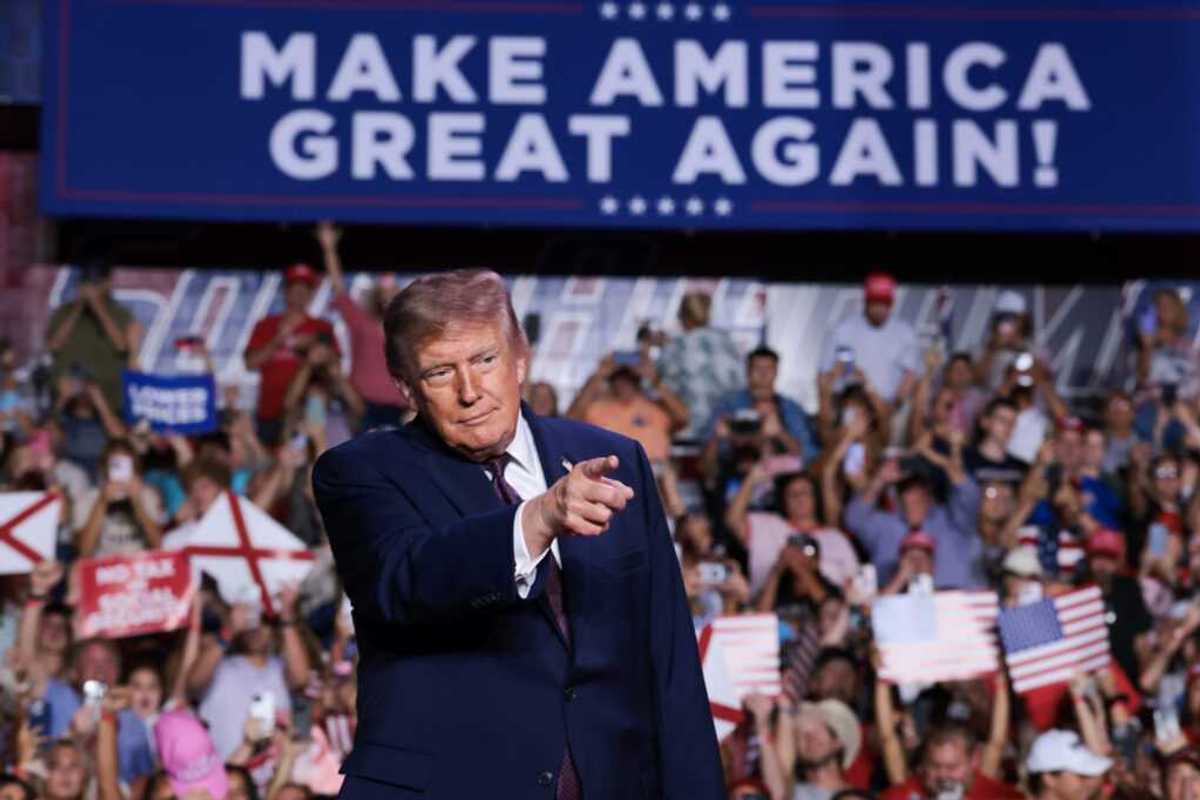
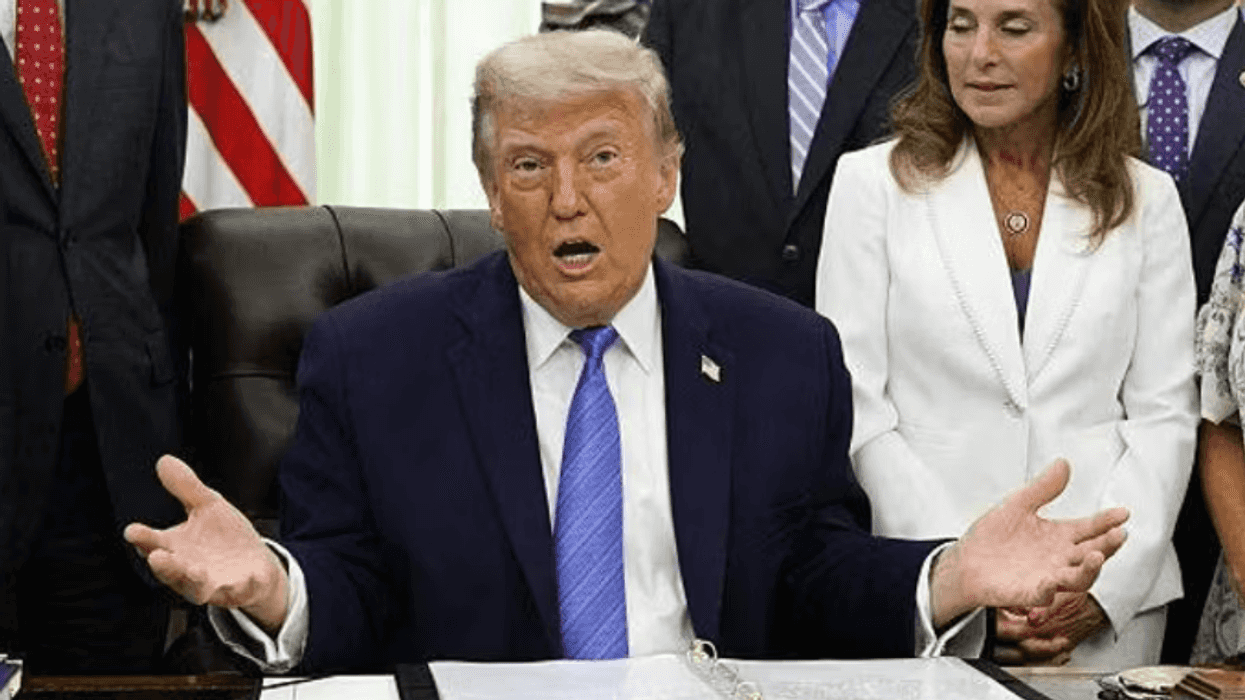
On his first day in office in January of 2025, President Trump issued an executive order that denied automatic citizenship to children born in the U.S. if their parents were undocumented or in the country temporarily. The administration argued that those children weren't "subject to the jurisdiction" of the United States under the 14th Amendment.
The executive order, which cites Dred Scott, argues that “the Fourteenth Amendment has never been interpreted to extend citizenship universally to everyone born within the United States. The Fourteenth Amendment has always excluded from birthright citizenship persons who were born in the United States but not ‘subject to the jurisdiction thereof.’”
The order was challenged in Trump v Barbara (2026), and in June of this year the Supreme Court rejected that argument. In a 6–3 ruling, the Court struck down the executive order and reaffirmed that the 14th Amendment protects birthright citizenship for children born in the United States, relying on the Constitution's text, specifically the Citizenship Clause, as well as the precedent set by United States v Wong Kim Ark.
In short, SCOTUS ruled: “Children born in the United States to parents unlawfully or temporarily present are ‘subject to the jurisdiction’ of the United States and are citizens at birth under the Fourteenth Amendment’s Citizenship Clause.”
In other words, President Trump’s executive order was unconstitutional and the executive branch was not able to eliminate birthright citizenship for children of immigrants with the stroke of his pen; however, the story doesn’t end there.
On Aug 6, President Trump issued two new executive orders addressing birthright citizenship.
The first order, Continuing to Protect the Meaning and Value of American Citizenship, attempts to identify categories of children who, according to the administration, fall outside the protection of the Fourteenth Amendment and the ruling as recognized by the Supreme Court. This is specified within four categories.
The 2nd order, Ending Birth Tourism, takes aim at what the administration calls “birth tourism,” or when a foreign national enters the States on a nonimmigrant visa specifically for the purpose of giving birth.
These orders leave the state of birthright citizenship in a confusing place across the country, one that we will dive into in the next episode of Gov’t Stuff No One Explained.
Gov't Stuff No One Explained #4: Ending birthright tourism? youtube.com
Britton Struthers-Lugo is a journalist and visual storyteller. She works as a Digital Content Producer across The Fulcrum and The Latino News Network.








The President Invited Iran to Bomb My Home