


While losing the popular vote does not inherently cause economic ruin, the structural political weakness of entering office without a democratic majority mandate often compounded the economic challenges their administrations faced. These terms were marked by distinct economic hardships, structural imbalances, or severe financial crises.
Destabilizing Partisan Protectionism
To compensate for a lack of broad popular support, some non-popular vote winners leaned heavily into aggressive, special-interest economic policies—such as hyper-protectionist tariffs—to satisfy the narrow geographic coalitions that elected them.
Benjamin Harrison (1889–1893): Harrison lost the popular vote but won the Electoral College by carrying key industrial states. To reward his base, Harrison championed the McKinley Tariff of 1890, which raised import duties to historic highs of nearly 50%.
The Fallout: The tariff triggered retaliatory trade measures, depleted the federal surplus via reckless spending, and severely strained the U.S. gold supply through the concurrent Sherman Silver Purchase Act. This volatile mixture directly triggered the Panic of 1893, one of the most devastating depressions in American history. The 1894 midterm elections ballot-box response delivered the largest incumbent-party reversal in U.S. history. Voters used the ballot box to punish the incumbent party, stripping them of 127 house seats, their remaining 93 seats represent a preservation of 42.27% of their peak 220-seat strength, and usuring in the Progressive Era (1890s to 1920s).
Deficit Expansion and Systemic Market Shocks
In the modern era, non-popular vote terms have aligned with massive shifts in wealth distribution, severe regulatory overhauls, and historic macroeconomic collapses.
George W. Bush (First Term: 2001–2005): Taking office after the razor-thin, contested 2000 election, Bush implemented sweeping tax cuts that primarily benefited high-income brackets. Combined with the subsequent dotcom bust and the immense, unbudgeted military expenditures of the post-9/11 wars, the structural fiscal health of the country inverted from a projected federal surplus to deep, compounding deficits. The deregulation favored during his broader tenure ultimately culminated in the subprime mortgage meltdown and the Great Recession of 2008.
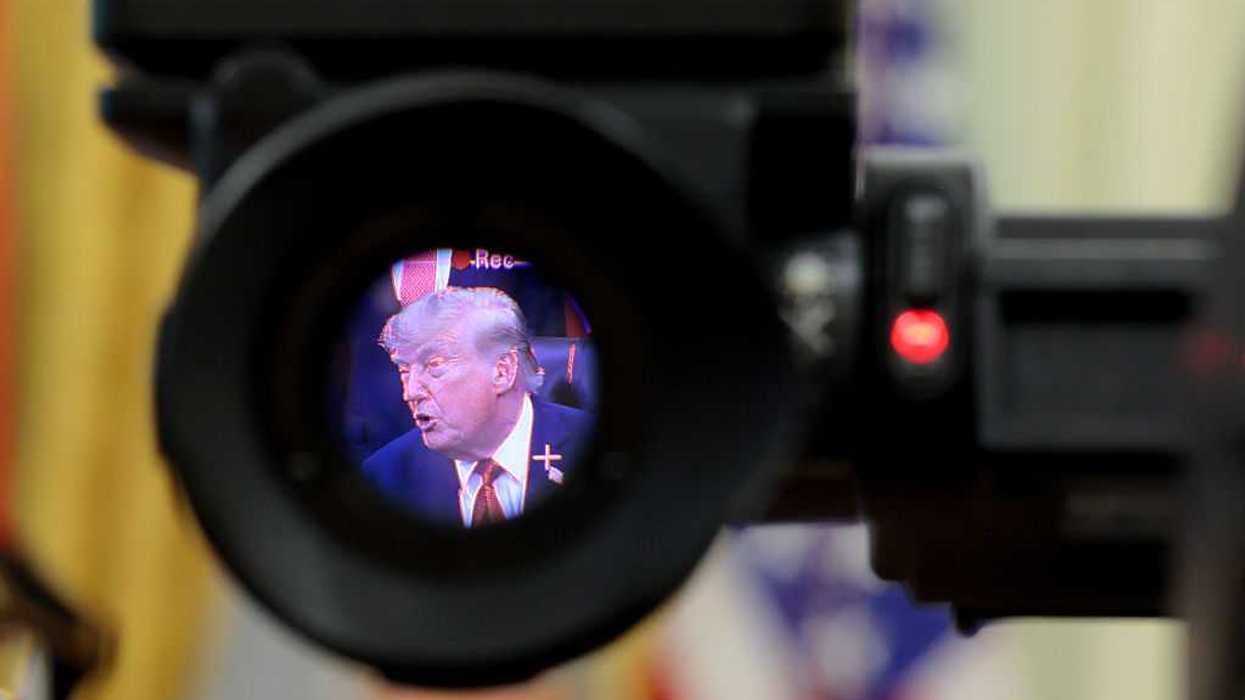
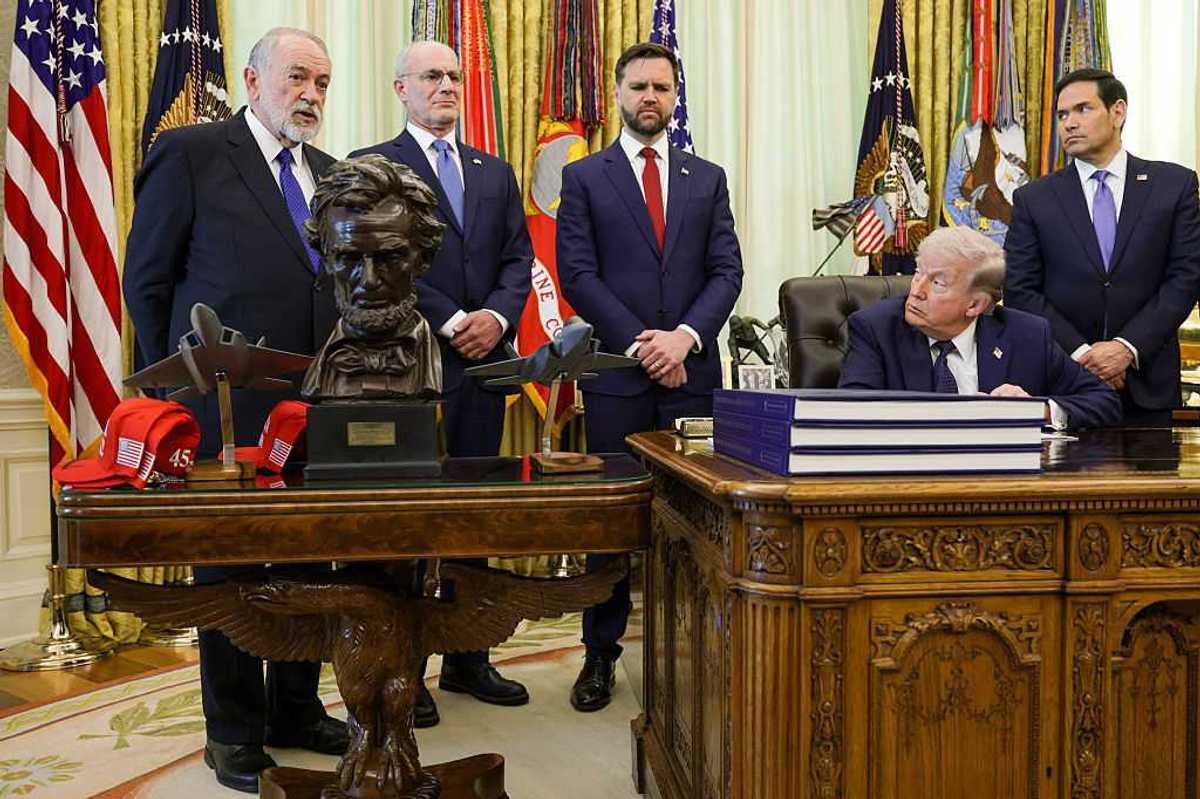
Donald Trump (2017–2021): Trump won the Electoral College in 2016 through narrow victories in economically distressed manufacturing hubs, despite losing the popular vote. His economic agenda focused on aggressive trade protectionism (imposing sweeping tariffs on allies and adversaries alike) and the Tax Cuts and Jobs Act of 2017. While these moves initially catalyzed short-term stock market rallies, they severely expanded the national debt. His term ultimately concluded with the catastrophic structural and labor shocks of the COVID-19 economic crisis.
A comprehensive path forward addresses structural economic disparities caused by non-popular vote presidencies whose policy priorities often favor specific battleground regions, while concurrently building a 50-state voter engagement strategy and national economic cohesion.
Structural & Policy Interventions
To mitigate economic fragmentation driven by hyper-localized political pandering, policy must pivot toward universal economic baselines and state-level legislative innovation.
National Economic Anchors: Standardizing macro-economic baselines—such as indexing the federal minimum wage to inflation—insulates low-income workers from shifting federal executive agendas.
State-Level Campaign Finance Control: Utilizing state corporation-defining powers to enact a "Corporate Power Reset" targets and restrict dark money spending in federal and local elections without requiring federal constitutional amendments.
Regional Disparity Mitigation: Advocating localized infrastructure investments and modern workforce initiatives balances out "swing-state" subsidies, building resilience against economic anxiety in neglected markets.
A 50-State Electoral Engagement Strategy
Sustained national economic stability requires transforming the electorate from passive bystanders in "safe" states to active participants via comprehensive systemic reforms.
Structural Voting Reforms
The National Popular Vote Interstate Compact (NPVIC): State legislatures can join the compact to pledge their electoral votes to the winner of the national popular vote, guaranteeing the presidency to the candidate who secures the most votes nationwide. For more details, see: Virginia Joining the National Popular Vote Interstate Compact Puts the Finish Line in Sight
Pro-Voter Statutory Alignment: Transitioning states toward nonpartisan primaries or ranked-choice voting (RCV) alters candidate incentives, forcing them to appeal to a broader national demographic rather than a highly polarized base.
Rebuilding Civic Infrastructure
Universal Civics Education: Treating civic training as essential cultural infrastructure rectifying the civic empowerment gap between affluent and underserved voting districts.
Protecting Local Funding: Insulating local equity-based education grants from federal budgetary shifts prevents the weaponization of educational access based on partisan administrations.
Grassroots & Intermediary Engagement
Off-Cycle Organizing: Shifting the mobilization pipeline away from high-stakes October blitzes to year-round civic engagement maintains political literacy and voter retention.
Digital Peer Networks: Utilizing decentralized community spaces creates incremental touchpoints that boost political interest and lower the barrier to real-world ballot participation long before election day.
The Bottom Line
In a fifty-state presidential landscape, candidates could no longer rely on hyper-local pander or culturally isolated wedge issues. Instead, they would be forced to run macro-level campaigns addressing unaffordability, technological disruption of daily life, government accountability, and a reassessment of global commitments—issues that resonate uniformly across America's entire geographic layout.
Hugh J. Campbell, Jr., CPA, is a Governance, Risk & Compliance (GRC) professional and a student of W. Edwards Deming, the American statistician often credited as the catalyst for the Japanese economic miracle after WWII.