

The Fulcrum is committed to nurturing the next generation of journalists.
We asked Malory Shaw, a Fall Fulcrum Fellow, to share what democracy means to her and how she sees its current health.
Local news informs voters, and informed voters fuel democracy. It holds politicians accountable, even when they go unnoticed, and it helps voters choose the candidates who will serve them best.
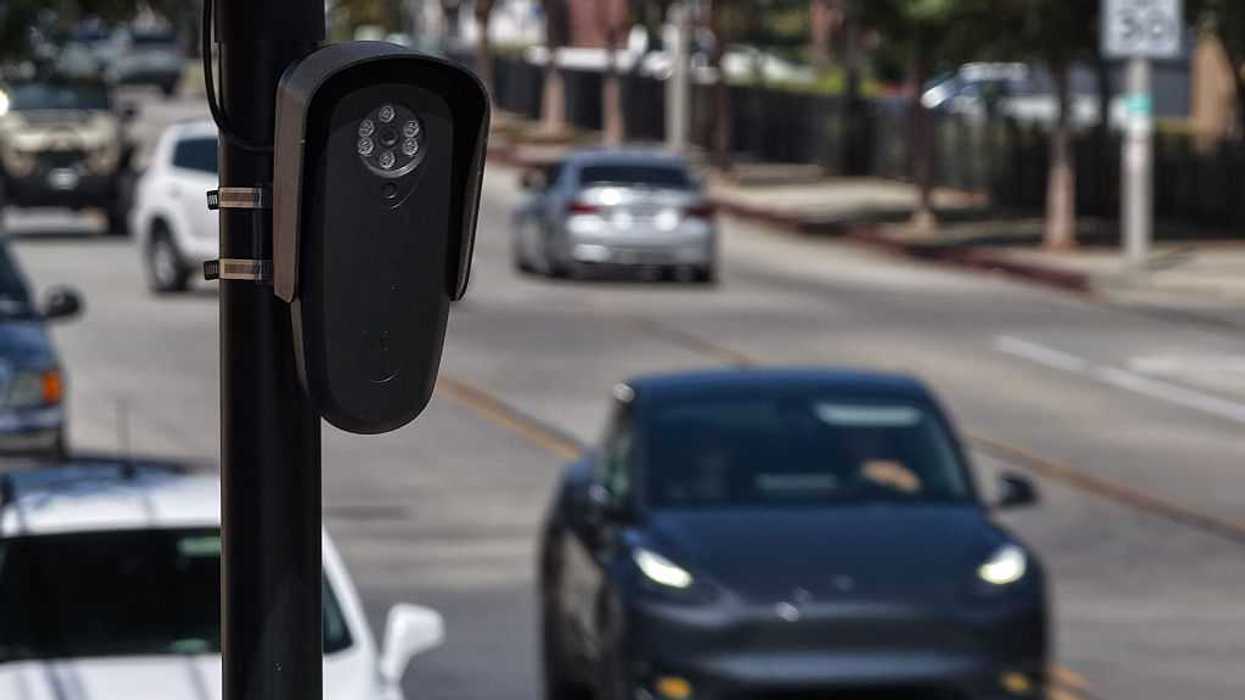
I experience democracy and a free press firsthand in the public media newsroom where I intern. We interview every candidate and ask about the issues voters care about, from police surveillance to data centers in northern Nevada's deserts.
I interviewed Reno’s new police chief as he settled into his role, appointed by the City of Reno. Our broadcast let listeners judge for themselves whether the decision to appoint him was right, given concerns about surveillance and immigration. We keep a record of what officials promise, so voters can look back and see: what was fulfilled and what wasn’t?
Local reporting connects with people like nationals may not. If our station or other local outlets don’t cover it, no one else will.
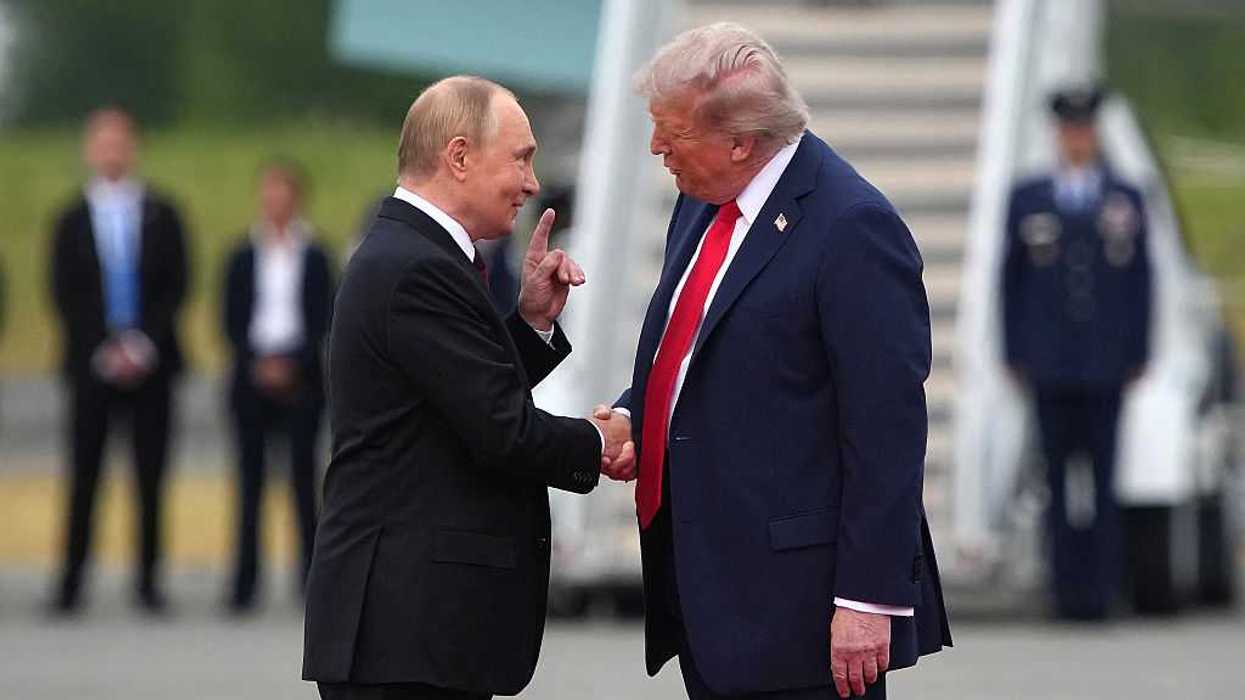
The free press has deteriorated with democracy. In the U.S., democracy has exponentially declined. The International Institute for Democracy and Electoral Assistance's annual Global State of Democracy report reveals that the U.S. has reported an all-time low in democracy under President Donald Trump’s administration. I don’t believe we’ve ever had a robust, healthy democracy where every group was represented. But the decline is sharper under President Trump, whose attacks on the press are attacks on democracy itself. Democracy is the basis of our country.
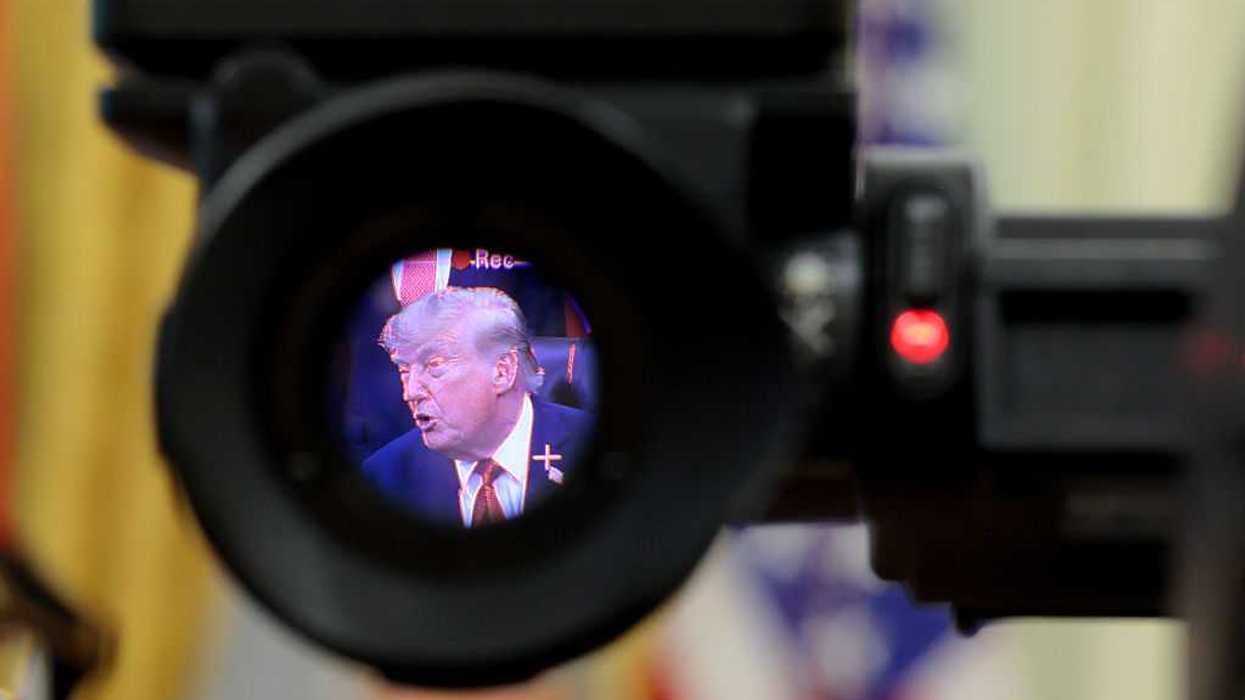
President Trump has banned CNN, Politico, and MS NOW, citing false and inaccurate reporting. On Sept. 21, the White House launched Trump TV, which livestreams government highlights 24/7. These attacks aren’t new under his administration. The Pentagon required journalists to sign off on restrictions, such as having an escort and reporting on news with official approval.
These restrictions control the narrative and create gaps in what the public can know. In some Latin American countries, state-run media only highlights the government’s successes. Democracy is based on knowledge, and without it, how do we know how to vote? That is feigned democracy, in name only but not in practice.
In a functional democracy, the press should not be restricted in any form or state vetting.
Brazen restrictions aren’t the only tactic. Journalists at protests are pepper-sprayed and mistreated, which discourages others from doing the work. A chilling effect the First Amendment is meant to dissuade.
If journalists are brutalized and expected to be harsh, nobody would shame them for feeling dissuaded. Nobody should blame a reporter for feeling deterred. The most passionate and committed journalists keep working despite this, but there is a limit to what a reporter should endure to get information to the public.
The University College London Social & Historical Sciences department says maintaining a healthy democracy requires politicians to avoid eroding public trust in the media. President Trump releases barrages of insults against the media he dislikes, helping create a polarized country that is unable to trust the mass media.
No media should be trusted blindly, but its role in democracy remains and should be treated with incredible respect.
Public funding and support is not a favor to the journalist. It is securing an investment in a healthy democracy where accountability is at the forefront.
Politicians must go the extra step and advocate for public media funding. The newsroom I intern with holds politicians accountable with minimal resources. Our station has four impassioned reporters and several interns, but how can a station this size fully cover Reno and all of northern Nevada? More reporters would mean a stronger democracy here.
Governments and politicians have a duty to give reporters the resources they need to maintain a healthy democracy.
Malory Shaw is a student at the University of Nevada, Reno. Malory's reporting is grounded in building trust with communities — from pesticide‑affected families in rural Costa Rica to Latino neighborhoods in Nevada — and in examining how law enforcement technology impacts democracy.