

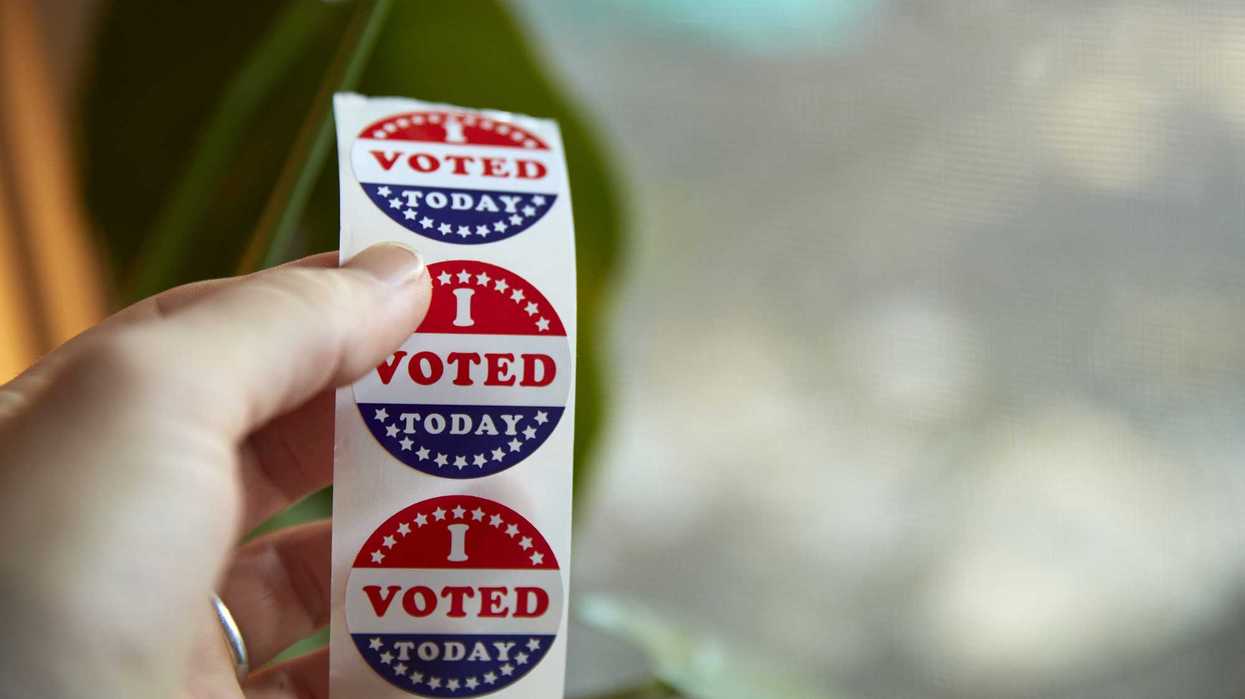
NPVIC is an agreement among U.S. states and the District of Columbia to award all their electoral votes to the presidential ticket that wins the overall popular vote in all 50 states and the District of Columbia. It is considered a pragmatic, voluntary state-based initiative because it aims to ensure the winner of the national popular vote wins the presidency without requiring a constitutional amendment, operating instead within the existing Electoral College framework by utilizing states' constitutional authority to appoint electors. If enough states join the NPVIC to reach a total of 270 electoral votes, the United States will effectively shift from a winner-take-all (WTA) regime to a national popular vote system for electing the President.
With Virginia's adoption, the National Popular Vote Interstate Compact will be adopted by eighteen states and the District of Columbia, collectively holding 222 electoral votes. The compact requires 270 electoral votes (a majority of the 538 total) to take effect. It currently needs forty-eight more electoral votes to become active.
The wrong of the 1800 presidential election was that Virginia moved from a district-based system for awarding its electoral votes to adopt a winner-take-all system , a strategic, partisan move designed to secure all of the state's electoral votes for Thomas Jefferson and prevent John Adams from gaining any.
John Marshall, Chief Justice (1801–1835) and a staunch Virginia Federalist, strongly opposed the adoption of the "winner-take-all" system for electing the president, viewing it as a partisan, unprincipled mechanism. A furious Marshall declared that he would never vote for president again while that system remained in place.
James Madison, often called the "Father of the Constitution," described the creation of the Electoral College as a "shoddy piece of work". In his later years, he reflected that the system was a rushed compromise finalized while the Constitutional Convention delegates were exhausted and eager to return home.
Virginia's founders pointed out that the Electoral College system could allow a small fraction of the population (the seven smallest states) to effectively choose the president, which they viewed as a violation of proportional representation.
The WTA system elected five non-popular vote presidents, all of whom would have lost, under the pre-1800, district-based system.
A 2017 article published by the author of Project 2025 argues that the Electoral College has provided "orderly elections and a stable government for more than 200 years". This contention can be called into question by pointing to two periods of our history.
During the “Gilded Age,” Rutherford B. Hayes (1877-81) and Benjamin Harrison (1889-1893) were non-popular vote presidents. This period (1870s–1900) saw intense industrialization, economic growth, and extreme wealth inequality in the U.S. The “Gilded Age” was coined by Mark Twain to describe a shiny, prosperous surface covering deep social, political, and economic corruption. It was marked by the rise of "robber barons," rapid urbanization, and labor exploitation.
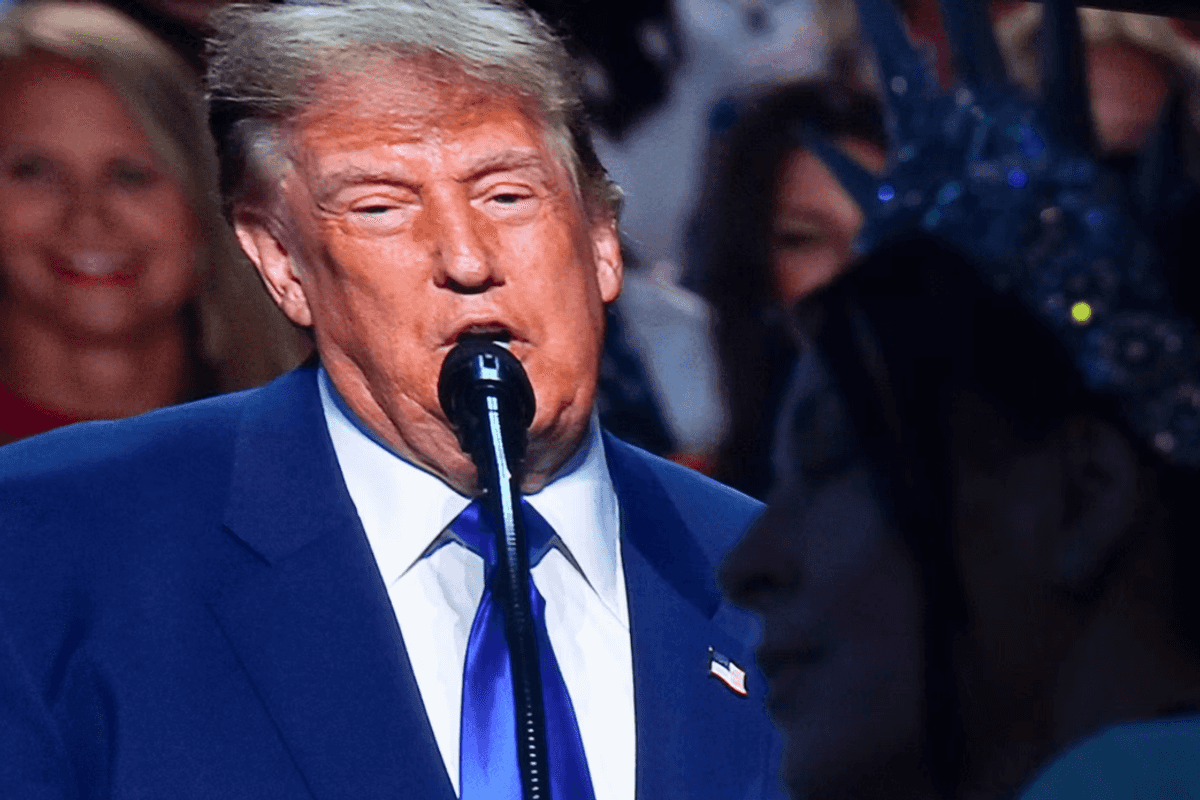
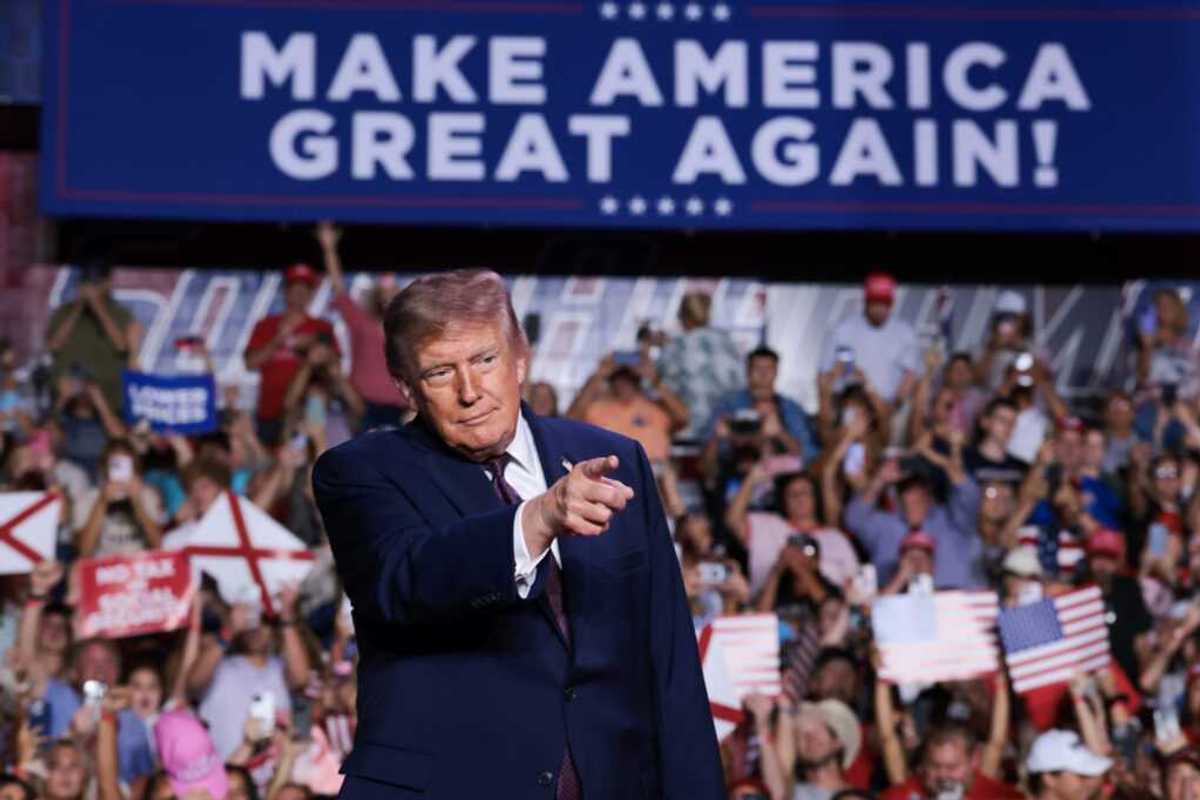
During our "Second Gilded Age, there were also two U.S. presidents who won the Electoral College and the presidency despite losing the national popular vote. George W. Bush (2001-2005) and Donald Trump (2017-2021) were frequently compared to Benjamin Harrison for similar political corruption. This modern era (1980s–present) features extreme wealth concentration, corporate monopolies, and political corruption. Modern oligarchs—tech billionaires and finance moguls—use vast fortunes to influence politics, purchase media, and control data, often shaping public discourse to their advantage.
In the 2016 U.S. presidential election, a small group of 12 battleground states functioned as "magnets," attracting virtually all campaign resources, with candidates concentrating nearly 99% of their advertising and 94% of physical visits on these "up for grabs" territories.
In the documentary film Heist: Who Stole the American Dream? (2011) Van Jones articulates a core philosophy of power by stating: “There are only two kinds of power in the world: organized money and organized people.” While organized money holds significant inherent advantages over political systems, organized people have the power to create change when they unite, e.g. (50501 Movement). In the 21st century, one such inherent advantage of organized money is the optional "winner-take-all" Electoral College, which, since it is optional, is a gift to oligarchs by U.S. sovereign states, who can choose to withdraw these gifts.
In 2026, NPVIC will be a relevant issue in a number of state elections, particularly in Arizona, Michigan, Nevada, North Carolina, Pennsylvania, and Wisconsin. As the compact needs 48 more electoral votes to hit the 270-vote threshold, these purple or contested states are key battlegrounds where legislative control could determine whether they join the 19 jurisdictions already signed on.
Without the "battleground state" phenomenon, the effectiveness and strategic deployment of money in U.S. politics would shift from concentrated, localized spending to a more diluted, nationalized, or purely proportional approach. Some models suggest that if a national popular vote replaced the Electoral College, the overall amount of money spent on advertising could decrease in typical elections, as the "winner-take-all" incentive to tip a single state with massive ad buys disappears. Instead of tailoring messages to specific regional interests, e.g., tariffs, in swing states, large donations would fuel national campaigns focusing on broad, national policy, potentially diminishing the ability of localized interests to use money to influence policy. In future presidential elections and broad national policy, it is likely to include affordability.
Hugh J Campbell, Jr, CPA, is a Governance, Risk & Compliance (GRC) professional and a student of W. Edwards Deming, the American Statistician, often credited as the catalyst for the Japanese Economic miracle after WWII.
Correction: An earlier version of this story stated that VA has joined the NPVIC but HB965, "National Popular Vote Compact; enters Virginia into an interstate compact," has yet to be signed by Democratic Gov. Abigail Spanberger.











The President Invited Iran to Bomb My Home