
No, the hantavirus is not like COVID-19, and it will not trigger another pandemic, said Dr. Tedros Adhanom Ghebreyesus, World Health Organization (WHO) Director General, in a recent CBS News interview. And yes, it is understandable that many people around the world panicked and began ordering face masks online. In many ways, we are still reeling from the trauma of the COVID-19 pandemic, not to mention the flood of disinformation unleashed then that continues to polarize us now.
The good news is that, based on what we know, this hantavirus strain is not highly transmissible because it requires prolonged exposure and does not spread through air.
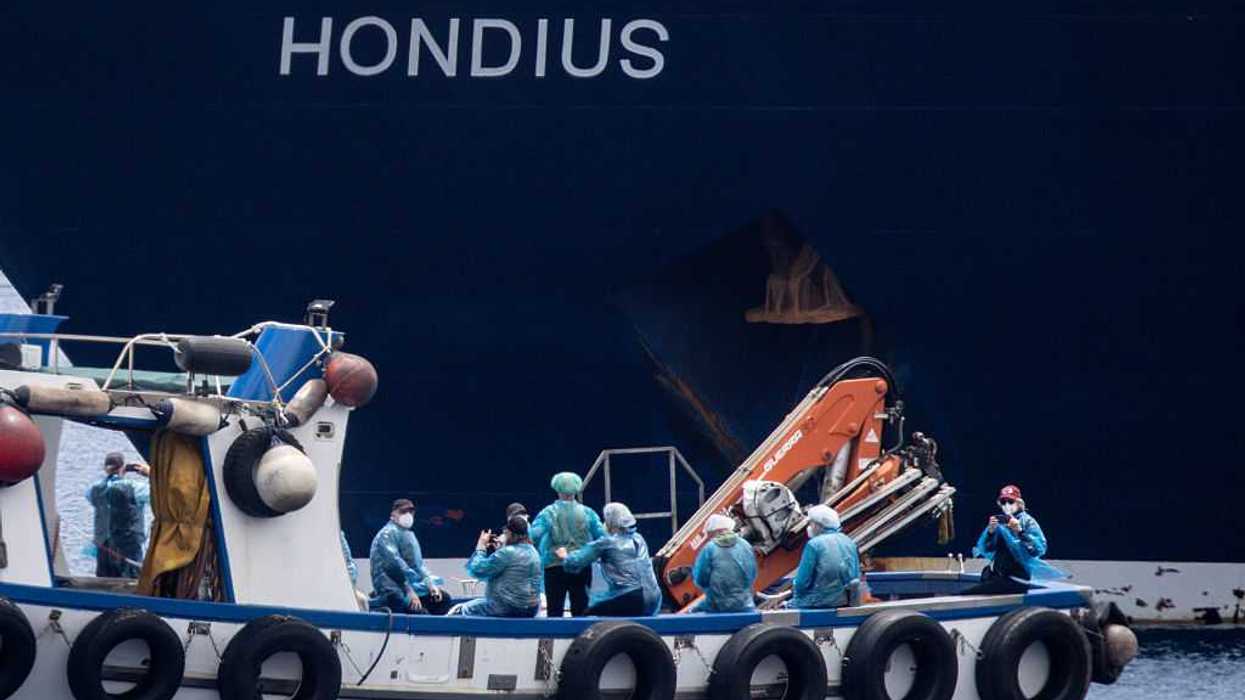
Exactly one month after the first hantavirus death was registered aboard the MV Hondius cruise ship on April 11, seventeen American passengers and one British national residing in the U.S. who had been exposed to the virus arrived in the United States. Sixteen are now quarantined at the University of Nebraska Medical Center in Omaha, while two passengers were transferred to Emory University Hospital in Atlanta. So far, only one has tested positive and is not yet showing symptoms. Common symptoms resemble those of other respiratory infections. They include fever, headache, muscle aches, nausea, and fatigue.
What is important to understand is that there are more than 50 known hantaviruses, most of which are carried by rodents. Transmission to humans generally occurs through contact with the infected urine, feces, and saliva or contaminated surfaces. The only hantavirus known to spread from human to human is the Andes hantavirus, the strain found aboard the MV Hondius. This strain is extremely rare and is endemic to South America. While there are no vaccines for the Andes hantavirus, health officials continue to reassure the public that this outbreak is contained and is fundamentally different from COVID-19.
Still, as of May 12, there have been 11 reported cases linked to the cruise ship, nine of them confirmed as Andes hantavirus cases. Three people have died. Because the virus has a long incubation period, anywhere between one to eight weeks after exposure, former passengers will require long-term monitoring and isolation. Contact tracing for anyone exposed to infected passengers is also standard protocol.
The outbreak does, however, give us the opportunity to reflect on what the world has learned from COVID-19 and whether we are better prepared to prevent another pandemic.
There are mixed views about the emergency response so far, but one thing is certain: containing disease outbreaks requires countries to collaborate and exchange information quickly and transparently for the global good. The transactional approach to global health adopted by the second Trump administration is not an ideal framework for averting future health threats. Reciprocal trust among nations remains at the core of effective pandemic prevention.
In written comments to The Fulcrum, Dr. Caitlin Rivers—Senior Scholar at the Johns Hopkins Center for Health Security and author of Crisis Averted, The Hidden Science of Fighting Outbreaks—said she was generally satisfied with the international response, noting that more than two dozen countries coordinated the repatriation of the passengers.
“The hantavirus situation is a reminder that outbreaks emerge periodically. It is in our best interest to maintain strong defences,” Rivers said. “Although, to my knowledge the U.S. has been able to coordinate with the WHO despite the fact we ended our membership last year, this outbreak illustrates the importance of maintaining those ties.”
Others are less forgiving, arguing that the United States was not at the forefront of this latest public health response and that this sets a dangerous precedent. In an interview with NPR, Lawrence Gostin, Professor of Health Law at Georgetown University and Advisor to the World Health Organization on the global Pandemic Treaty, expressed concern for the poorly planned and uncoordinated response.
“It took weeks to figure out what was causing the illnesses. Initial coordination was poor, and U.S. public health officials were missing in action for a long time,” Gostin said. “It's shown that the U.S. and the world are not ready for the next pandemic.”
In the past, the United States often led global coordination efforts during infectious disease outbreaks. During the 2014 Ebola outbreak in West Africa, the U.S. Centers for Disease Control and Prevention (CDC) deployed roughly 1900 staff to the region to help identify and isolate cases, contain transmission, and support overwhelmed health systems. The CDC coordinated daily with Ministries of Health, international partners, and global health institutions.
This time, the emergency response was led by the WHO, the agency President Trump formally withdrew the United States from in an executive order signed on January 20, 2025.
In an interview with CNN, Acting CDC Director Jay Bhattacharya has defended the agency’s response, saying, “They didn’t see what the agency has been doing… we don’t want to treat it like Covid. We don’t want to cause a public panic over this. We want to treat it with the hantavirus protocols that were successful in containing outbreaks in the past.”
Avoiding unnecessary panic is reasonable. But the statement comes from a public official in an administration that has repeatedly declined to respond to media inquiries and regularly disregarded congressional oversight. Furthermore, since January last year, the CDC has lost roughly a quarter of its workforce through layoffs and voluntary buyouts, a move many outside experts say has accelerated the loss of expertise and weakened the Agency’s capacity to swiftly respond to public health crises."
Tom Frieden, president and CEO of Resolve to Save Lives and former CDC Director, wrote on Substack that collaboration with the WHO and goodwill among countries remain essential to managing disease outbreaks and preventing future catastrophes. This hantavirus is no exception.
“The current administration's disengagement from WHO makes Americans less safe,” Frieden wrote. “Only WHO can coordinate the early warnings, genome sequencing, case definitions, and multi-country contact tracing that protect Americans. The outbreak is, at present, a small one. The next one may not be.”
Beatrice Spadacini is a freelance journalist for the Fulcrum. Spadacini writes about social justice and public health.