


May is Mental Health Awareness Month, but awareness alone cannot save us. Men of color are already painfully aware that something is wrong. We feel it in our sleeplessness. In our blood pressure. In the marriages that strain under emotional distance. In the fathers who never learned how to say “I’m not okay.” In the sons trying to inherit manhood from men who never permitted tenderness.
The crisis is not merely psychological. It is cultural, historical, spiritual, and physiological all at once. African Americans, particularly men, occupy one of the most paradoxical spaces in American life. We are hyper-visible in sports and entertainment. We are present in politics and public discourse. Yet we are emotionally invisible in matters of vulnerability, grief, anxiety, and depression. We are celebrated for resilience, but denied rest. Our toughness is admirable, while we are punished for transparency.
Rates of anxiety, depression, substance dependency, and suicide among Black men persist, as reported by mental health organizations. Yet in many communities, therapy remains stigmatized, and survival trumps self-examination. For generations, Black men learned emotional suppression was necessary to cope with challenges such as racism, increased policing, and workplaces where anger is labeled as aggression and sadness is seen as weakness.
Unfortunately, many men first learn to arm themselves against before discerning and loving themselves. In turn, giving way to loneliness. Loneliness is not simply about being alone. You can be in a crowded sanctuary, a packed gym, a busy office, or a loving household and still feel unseen. Loneliness is the distance between what one carries internally and what one feels safe enough to reveal.
However, it is important to recognize that survival and wellness are not the same thing. This revelation did come about on a therapist’s couch, though I deeply value therapy and encourage it. It was realized through movement. Through exhaustion. By way of training. In the discipline of choosing to pay attention to my body in a sociocultural reality that conditions Black men to ignore such until crisis forces attention.
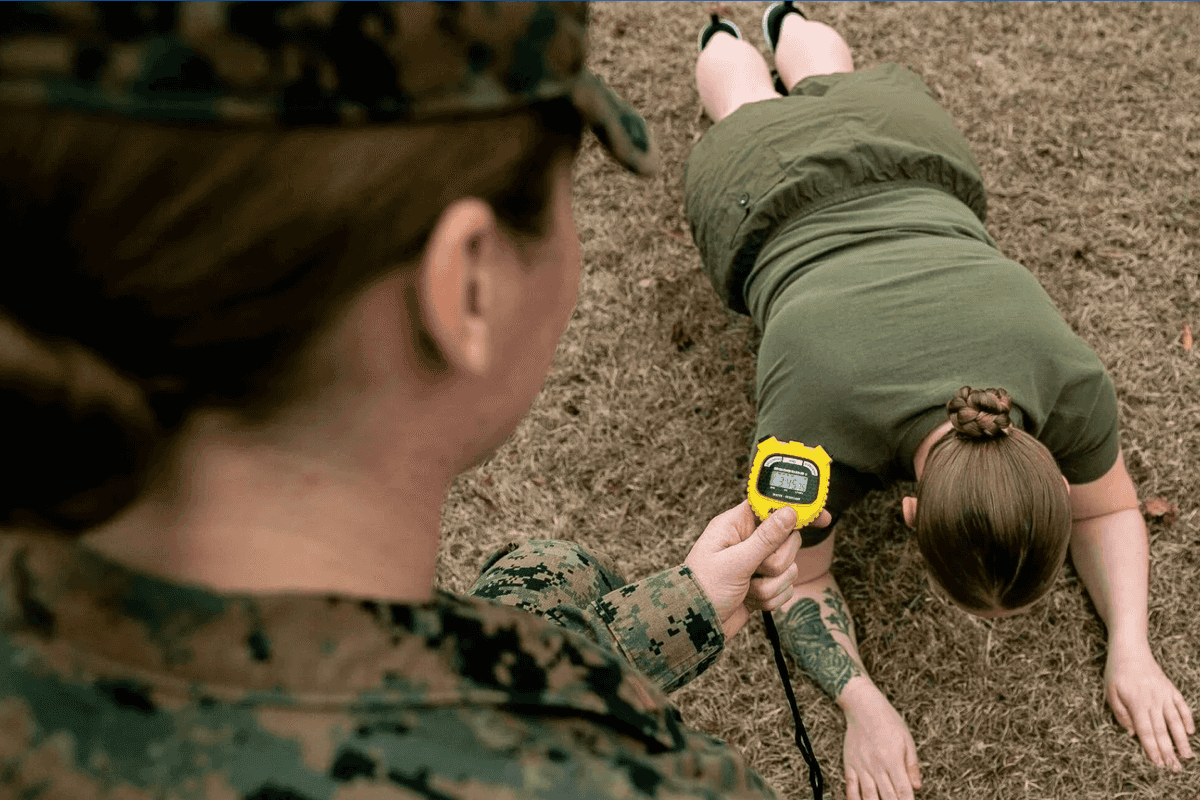
Late last year, I immersed myself in the demanding world of HYROX training and competition. HYROX is a global fitness race. It combines endurance running with functional strength movements and has become, personally, more than an athletic challenge. Instead, it serves as a mode and means for improving my physiological architecture, spiritual recalibration, and stewarding of my mental and emotional self.
At first glance, the sport looks perfunctory. A circuit of rowing, sled pushes and pulls, wall balls, ski erg, burpees, lunges, and repeated running until the body protests. Yet in the midst of this intensity, something transformative happens when a person intentionally enters difficulty instead of merely reacting to it. Training forces me, and others, into an honest conversation with ourselves.
Treadmills don’t care about titles. The sled does not respond to ego. The rower exposes mental fatigue almost immediately. Every workout confronts illusion. Each interval asks the same question: What remains when comfort disappears? Hence, I discovered that fitness was not simply changing my body. It was reorganizing my emotional life.
Consistent training provides structure when stress threatens fragmentation. Exercise is an intervention for anxiety spirals. Running is meditation in motion. Strength training restored confidence eroded under the pressures of leadership, caregiving, ministry, public engagement, and everyday life. Beyond the physical benefits, HYROX gave me community. And that matters more than many of us realize.
In case you're wondering, there is science behind this transformation. Regular exercise reduces cortisol, improves sleep, regulates mood, stimulates endorphins, and supports cognitive health. What gets overlooked is the psychological restoration of agency. Mental unhealthiness frequently produces helplessness. Exercise reintroduces evidence of capacity. Physical progress slowly translates internally. Confidence returns. Discipline strengthens. Self-trust rebuilds itself repetition by repetition.
Still, exercise alone is not a cure-all therapy. No amount of deadlifts can replace therapy where trauma exists. No race medal can heal untreated depression. No training eliminates the need for emotional honesty, spiritual grounding, meaningful friendships, medical care, or supportive family systems. But movement can become a doorway.
Mental health is not merely about avoiding breakdown. It is about cultivating wholeness. Wholeness means recognizing that mind, body, spirit, and community are interconnected. It means rejecting the idea that masculinity needs emotional starvation. It means understanding that asking for help is not a weakness but a sign of wisdom.
Too many African American men receive affirmation only when producing income, entertainment, labor, leadership, or athleticism. Rarely are we taught that humanity has value beyond output. Notably, the absence of affirmation has consequences. It contributes to why some men isolate when struggling. Some self-medicate. Others, in silence, entertain suicidal and harmful ideations deriving from prolonged hopelessness and isolation.
We need more spaces where Black men and others can tell the truth. More fellowships are built on accountability rather than superficiality. More churches that discuss and offer therapy without shame. More men are modeling vulnerability. More conversations where “how are you?” receives an honest answer.
And yes, we need more movement. Walk. Run. Lift. Swim. Bike. Train. Stretch. Compete. Dance. Hike. Not because everyone ought to become an endurance athlete or HYROX competitor, but because the body keeps score. Stress lives somewhere physically. Grief settles somewhere physically. Anxiety manifests psychologically and physiologically. Conversely, healing requires embodiment.
For me, crossing a HYROX finish line is more than an athletic achievement. It represented resistance against despair and stagnation. It pushed back against narratives insisting Black men only deserve attention in tragedy. Every completed race becomes a declaration: I am still here. Still breathing. Still becoming. Still worthy. Still fighting for joy.
Rev. Dr. F. Willis Johnson is a spiritual entrepreneur, author, scholar-practioner whose leadership and strategies around social and racial justice issues are nationally recognized and applied.