
In tough economic times, governments often reach for the easiest kind of progress: a new name on an old sign. Wage stagnation, inflation, crumbling roads, and rising rents are hard problems that take years and real money to fix. Renaming a street, a lake, or a strait is not. It costs a fraction as much and lets officials point to something they “did.” A new name never fixes a pothole or lowers a grocery bill. This year offered an unusually rich catalogue of the habit, reaching from a city council in Texas to a wartime waterway in the Persian Gulf.
A Concept Borrowed From the Cremation Ground
Indian philosophy has an old idea called shmashana vairagya, describing the sudden clarity a person feels standing at a cremation ground, when ordinary ambitions look small. The feeling fades once the mourner goes home. Public policy has its own version of this cycle. In the raw hours after a tragedy, a scandal, or a surge of national feeling, officials decide, sometimes within a single social media post, what belongs on a map or a sign forever. The emotion passes in hours. The bill, when there is one, stays for years.
The Cesar Chavez Problem, Still Unsolved
Consider Austin. In March 2026, a New York Times investigation reported allegations that labor leader Cesar Chavez had sexually assaulted young women and girls, including fellow organizer Dolores Huerta. Within days, four Austin council members publicly backed renaming Cesar Chavez Street, which has carried his name since 1993. To Austin’s credit, the city did not simply hold a snap vote. The council ordered a formal cost and engagement plan; by May, staff estimated renaming could cost up to $1.2 million and would touch hundreds of businesses and homes along the corridor. Public meetings and a survey followed in August, and Huerta herself asked that her name not replace his. Under the city’s own timeline, findings were due to the council in September, with new signs to follow months after any vote. More than six months after the allegations surfaced, the sign is unchanged. Austin deserves credit for treating this as a real decision. But even done carefully, renaming one street is slow and costly. Skipping the care does not make it cheaper. It only makes the result worse.
Flip-Flops on the Public Dime
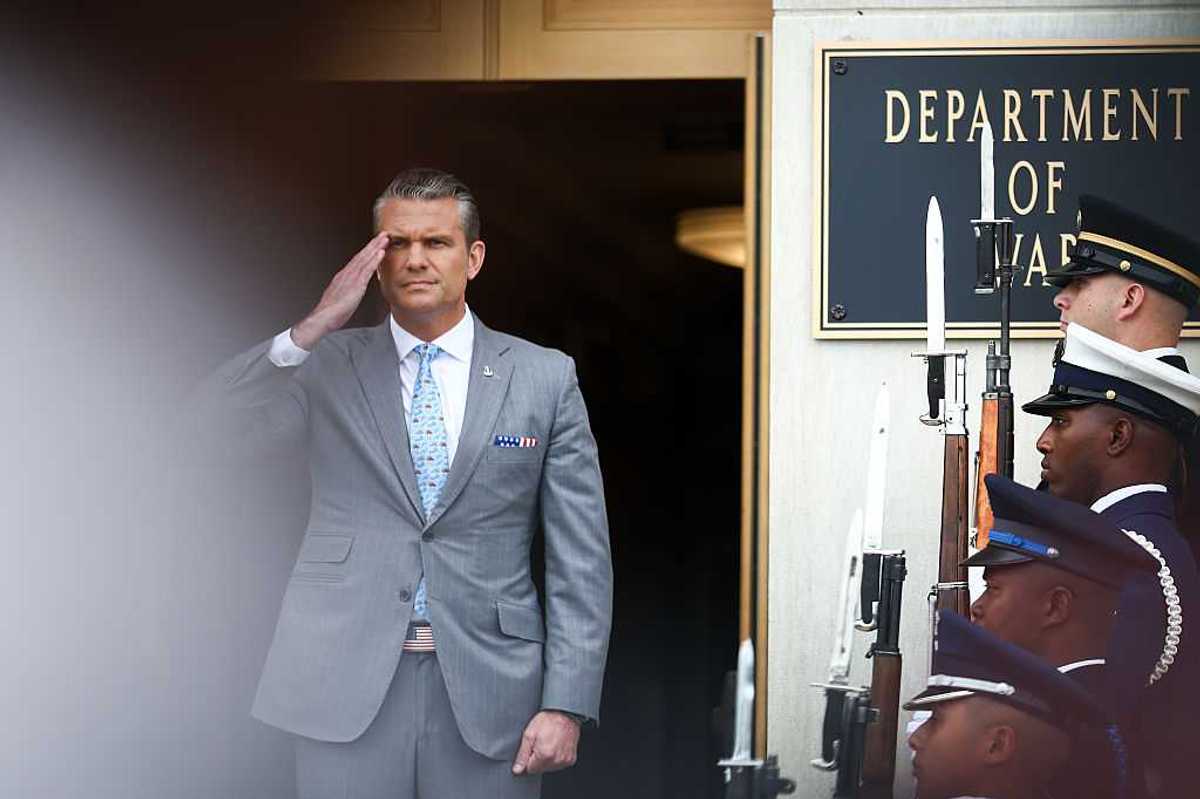
This pattern crosses party lines. In 2015, President Obama restored the Alaska Native name Denali to North America’s tallest peak; in 2025, President Trump reversed that by executive order, despite Alaska’s legislature voting almost unanimously against it. The Army bases are the costliest example. In 2021, a bipartisan Congress, overriding a presidential veto, ordered nine bases named for Confederate generals renamed. The Naming Commission put the cost at $21 million; the Army later revised it to $39 million. In 2025, the Pentagon restored all nine original names, attaching each to a different, non-Confederate namesake, and has not published what the reversal cost. Taxpayers paid tens of millions of dollars so nine bases could end up, four years later, back where they started.
From Streets to Straits
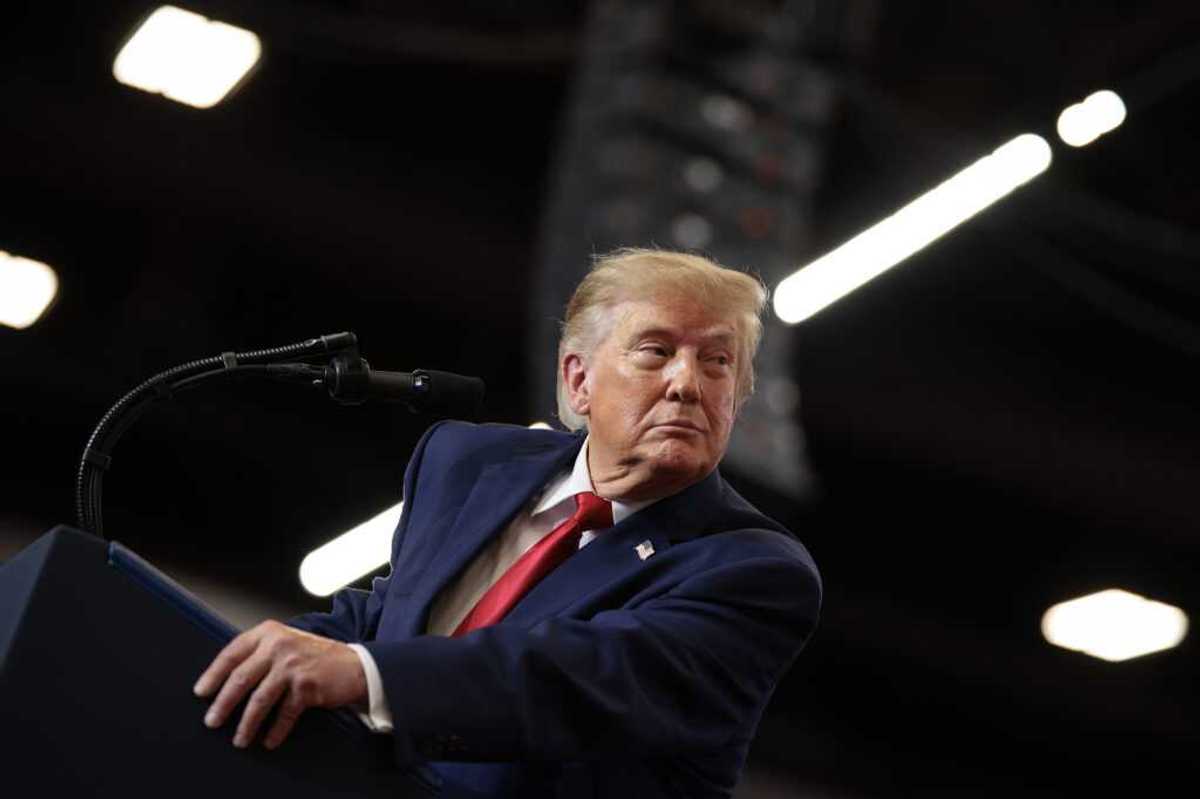
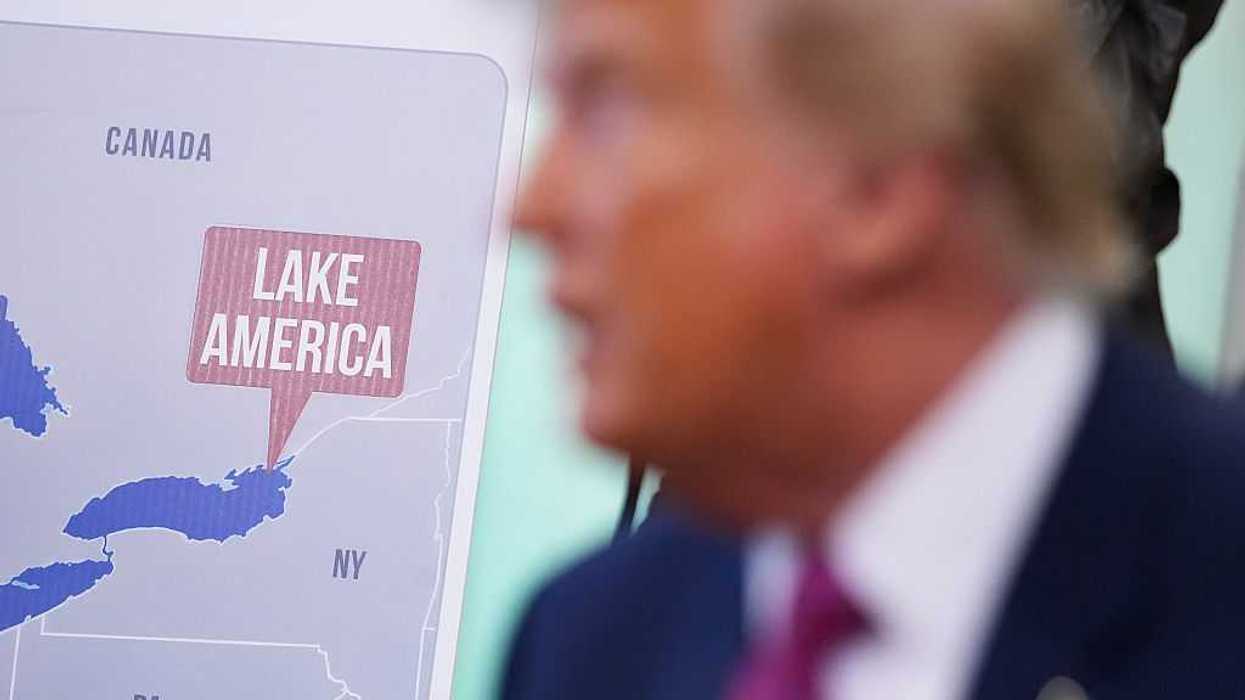
This year the impulse jumped scale entirely. On August 27, President Trump signed an executive order renaming Lake Ontario “Lake America” amid an escalating trade war with Canada. Prime Minister Mark Carney answered that Canadians would keep calling it Lake Ontario, “then, now and always,” and New York Governor Kathy Hochul said her state “won’t be calling it that” either. An order can rename a lake in a federal database; it cannot make anyone else say the new name out loud.
Six days later, on Truth Social, the president floated an even bolder idea: renaming the Strait of Hormuz, the oil chokepoint at the center of the American campaign against Iran, “Trump Strait,” because, as he put it, “Like America itself, it would be ‘hotter’ than ever before!” Hours later, he said it had been “just thrown out there.” Serious or not, it was a sitting president’s name floated for a strategic waterway, exactly the kind of living-person monument history warns against. That is shmashana vairagya in real time, on a president’s own feed.
Two Modest Rules
Honors that last, like Martin Luther King Jr.’s name on streets nationwide, are built on decades of evidence, not a single news cycle. Two rules would help. First, never name public property, foreign or domestic, after a living person, since their story is not yet finished. This is not a one-party habit: in 2000, a federal radio telescope in West Virginia was christened for Senator Robert Byrd, the Democrat who had pushed its funding through Congress and who would serve another decade. Second, after a death, require a five-year wait before any formal naming vote. Five years is long enough for facts to settle and short enough to avoid becoming an excuse for inaction.
Neither rule is a guarantee. Austin named its street for Chavez the year he died, and no waiting period would have caught allegations that took three decades to surface. The rules make reversals rarer, not impossible.
Governing for the Living
None of this argues against ever renaming anything; names should change when the truth about a person changes. Those pushing to rename Chavez Street have a real point: no community should be asked to keep honoring a man accused of sexually abusing girls. But that decision deserves the rigor of a bridge inspection, not the speed of a press release or a social media post. When governments spend months and up to $1.2 million on a sign while potholes go unfilled, voters notice, and public trust pays the price. A strait, a lake, a street: a name can matter, but it is rarely the problem people actually live with. Treating a renaming as an accomplishment, however satisfying it feels, is not governing. It is decoration.
Meda Parameswara Reddy, Ph.D., is the Director of the Reddy Center for Critical and Integrated Thinking. A former R&D executive holding 30 U.S. patents, he specializes in interdisciplinary research and public policy analysis. His writing has appeared in Proc. Natl. Acad. Sci. (PNAS), RealClear platforms, Washington Examiner, The Fulcrum, The Humanist, AFRO American, and South Asia Monitor, where he serves on the editorial board. He also hosts the interview show “SAM Dialogues with Dr. M. P. Reddy.” Website: mpreddyinsights.com | Contact: mpreddy54@yahoo.com, https://lnkd.in/gn2zQJbs