




September’s observance of National Recovery Month gives us a chance to celebrate people rebuilding their lives after substance use and mental health challenges. It should also force us to ask an uncomfortable question: What kind of society leaves so many people desperate to escape their own lives?
Addiction is often described as an individual disorder. Clinically, that description matters: substance use disorders affect the brain, behavior, judgment, and physical health. Yet addiction does not develop in a vacuum. It can take root in grief, trauma, chronic pain, economic insecurity, family rupture, social isolation, or a loss of purpose. Recovery therefore requires more than abstinence. It requires a life in which connection, dignity, responsibility, and hope become possible again.
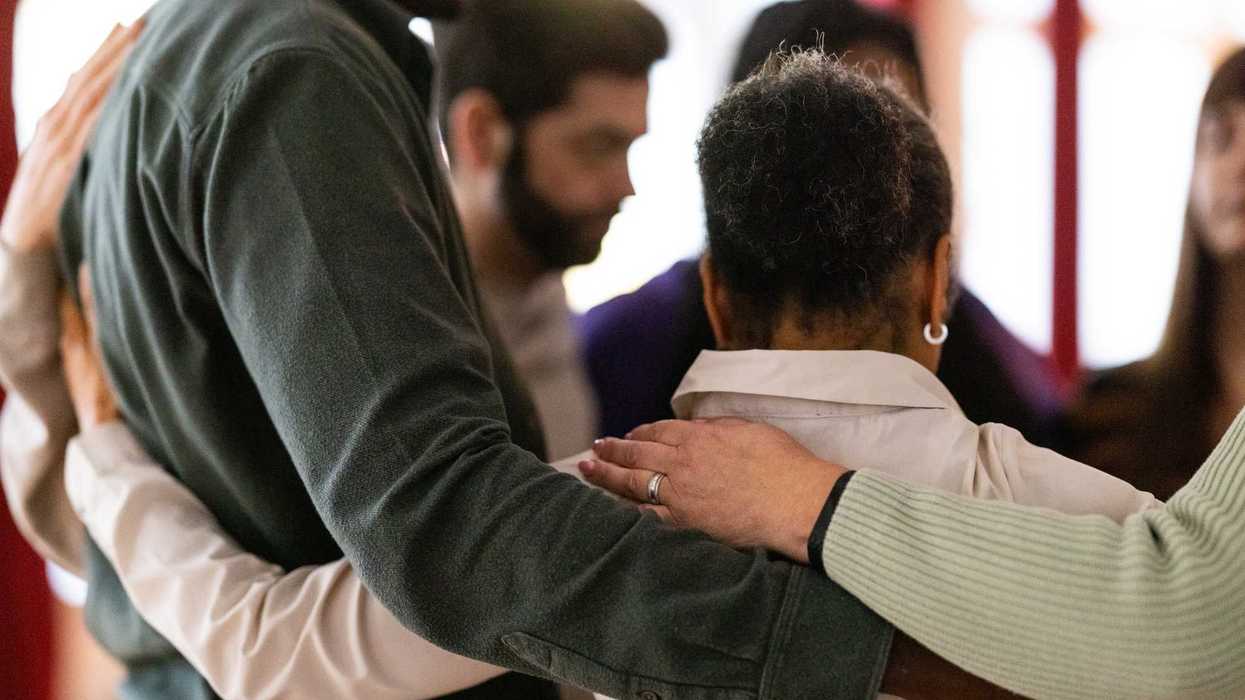
Faith-informed support can make a real difference because recovery is both personal and communal. Faith communities are often among the few institutions that can accompany people for years rather than weeks. Treatment programs may end. Insurance coverage may run out. Caseworkers change, and friends sometimes disappear. A healthy congregation can remain present through relapse, reconciliation, job searches, court dates, funerals, and ordinary Tuesday evenings when loneliness becomes especially dangerous.
That presence is not a substitute for professional treatment. Prayer does not replace medication, psychotherapy, detoxification, harm-reduction services, or emergency care. The strongest faith-informed response respects clinical evidence and understands spiritual care as one part of a wider network. It does not ask people to choose between God and medicine. It recognizes that healing may arrive through physicians, counselors, peer specialists, family members, support groups, and communities of worship.
For many people, spiritual practices contribute something clinical systems are not designed to provide: a moral and spiritual language for suffering. It allows a person to say, “My life has meaning beyond what I have done or what has happened to me.” It offers rituals for grief, practices of confession and forgiveness, opportunities for service, and a story large enough to hold both failure and hope. At its best, faith insists that no human being can be reduced to a diagnosis, criminal record, relapse, or worst decision.
That conviction is urgently needed in an era marked by loneliness, dependence, and fractured belonging. Our culture celebrates independence, but many people experience it as abandonment. We are connected to devices and detached from neighbors. Work is often insecure. Families are geographically scattered. Public spaces where people can gather without spending money have dwindled. Digital platforms promise community while training us to perform, compare, consume, and remain online. The result is a society crowded with communication but starved of dependable presence.
Co-dependence takes many forms. Some people depend on alcohol, opioids, stimulants, gambling, pornography, or compulsive shopping to quiet distress. Others become trapped in digital habits that provide stimulation without intimacy. These behaviors are not morally or medically identical, and careless comparisons can trivialize the lethal reality of substance use disorders. Still, they share a social context: a growing struggle to tolerate pain, form durable bonds, and find meaning outside consumption.
A socio-theological response begins by challenging the fantasy of the self-sufficient individual. Human beings are dependent creatures. We enter life dependent on care, remain dependent on relationships and institutions, and often leave life dependent once more. The problem is not dependence itself. The question is what—or whom—we depend upon, and whether those relationships lead toward freedom, responsibility, and mutual care.
Faith traditions have long taught that people belong to one another. In Christian language, the community is a body whose members cannot dismiss one another as unnecessary. Jewish teaching binds love of God to justice, memory, and communal obligation. Islamic practice joins worship with charity, discipline, and care for the vulnerable. Across traditions, the person is not imagined as an isolated consumer but as a neighbor, kinsperson, worshiper, and moral agent.
These teachings carry social consequences. If recovery is treated solely as a matter of private willpower, society can congratulate the successful and condemn those who struggle. A theological view of human interdependence tells a different story. It asks whether communities provide housing, health care, meaningful work, transportation, food, safety, and companionship. It examines how racism, poverty, incarceration, disability, and untreated trauma shape exposure to addiction and access to recovery. It calls for personal responsibility, but refuses to use that phrase as an excuse for public indifference.
Faith communities must also examine their own failures. Some have treated addiction as evidence of weak belief or secret sin. Some have pressured people to disclose painful histories without protecting their privacy. Shame has driven people away from congregations at precisely the moment they needed trustworthy support.
A recovery-centered theology must reject these patterns. It should understand relapse not as proof that a person is beyond hope, but as a serious event requiring renewed care, assessment, boundaries, and treatment. It should train clergy to recognize overdose risk, suicidal behavior, trauma, and domestic violence. Congregations should keep naloxone available where appropriate, build relationships with local treatment providers, support families, and create pathways into peer-led recovery groups. Good intentions are not enough; compassion needs competence.
Intervention also needs care. Families and clergy may feel compelled to confront someone whose substance use is placing lives at risk. Such action can be necessary, but it should not become an ambush built around humiliation. Effective intervention protects safety, names specific harms, offers realistic treatment options, and sets clear boundaries. Qualified professionals should guide it whenever possible. The goal is not to win an argument. It is to open a door while refusing to cooperate with destructive behavior.
Most of all, people in recovery should not be treated merely as recipients of charity. They are leaders, mentors, parents, workers, ministers, artists, and neighbors. Their experience gives them knowledge that institutions often lack. Any serious recovery ministry should include them in designing programs, shaping language, training volunteers, and evaluating results—nothing about people without them.
National Recovery Month celebrates progress, but recovery is rarely a clean ascent. It is usually built through small acts repeated over time: making a call, attending a meeting, taking prescribed medication, telling the truth, repairing a relationship, surviving a craving, finding safe housing, or returning after a setback. Faith-informed communities can honor this slow work by remaining steady when dramatic testimonies give way to ordinary life.
The deepest promise faith can offer is not that suffering will disappear. It is that suffering need not sever a person from human dignity or communal belonging. Recovery becomes possible when people encounter treatment that respects their bodies, relationships that survive honesty, and communities that expect responsibility without withdrawing love. In that shared work, healing is not only personal; it is communal and enduring.
September should remind us that recovery is more than a personal victory. It is sacred social work. When a person finds a path out of dependence, the whole community receives an invitation: to become less judgmental, more truthful, better trained, and far less willing to let anyone heal alone.
Rev. Dr. F. Willis Johnson is a spiritual entrepreneur, author, and scholar-practitioner whose leadership and strategies around social and racial justice issues are nationally recognized and applied.













The President Invited Iran to Bomb My Home