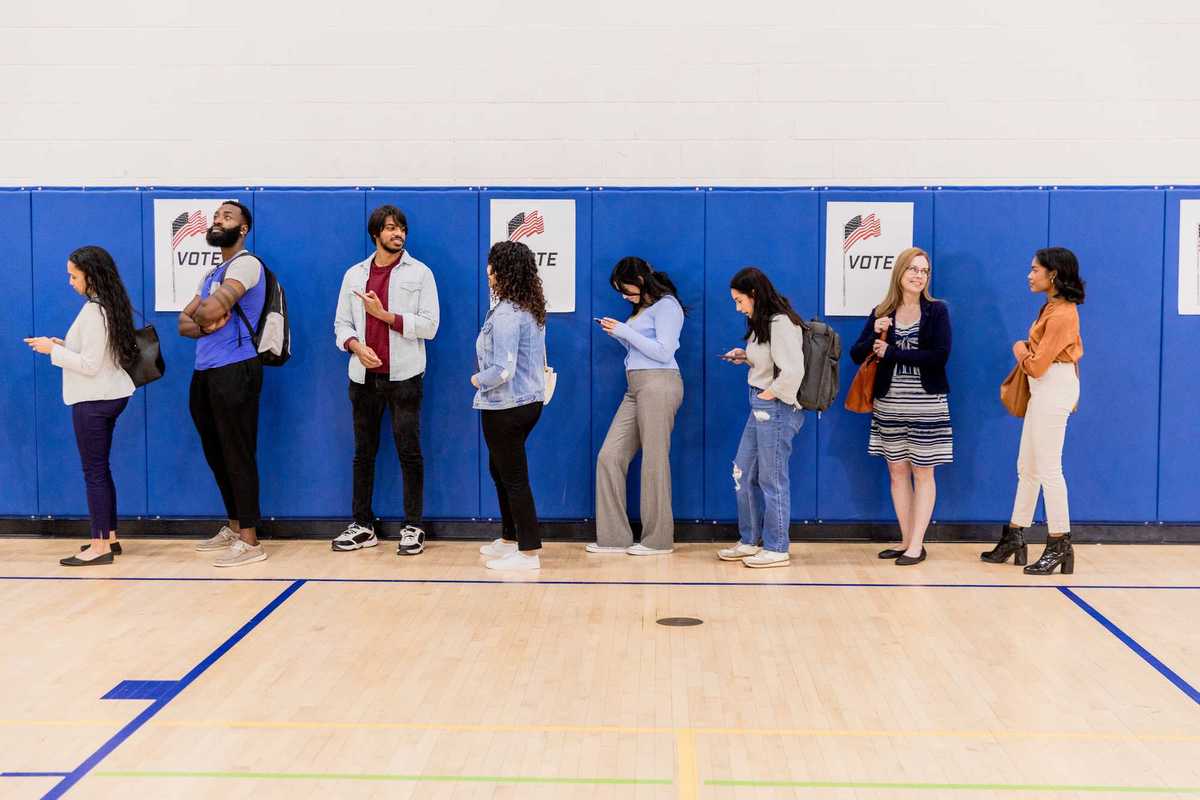
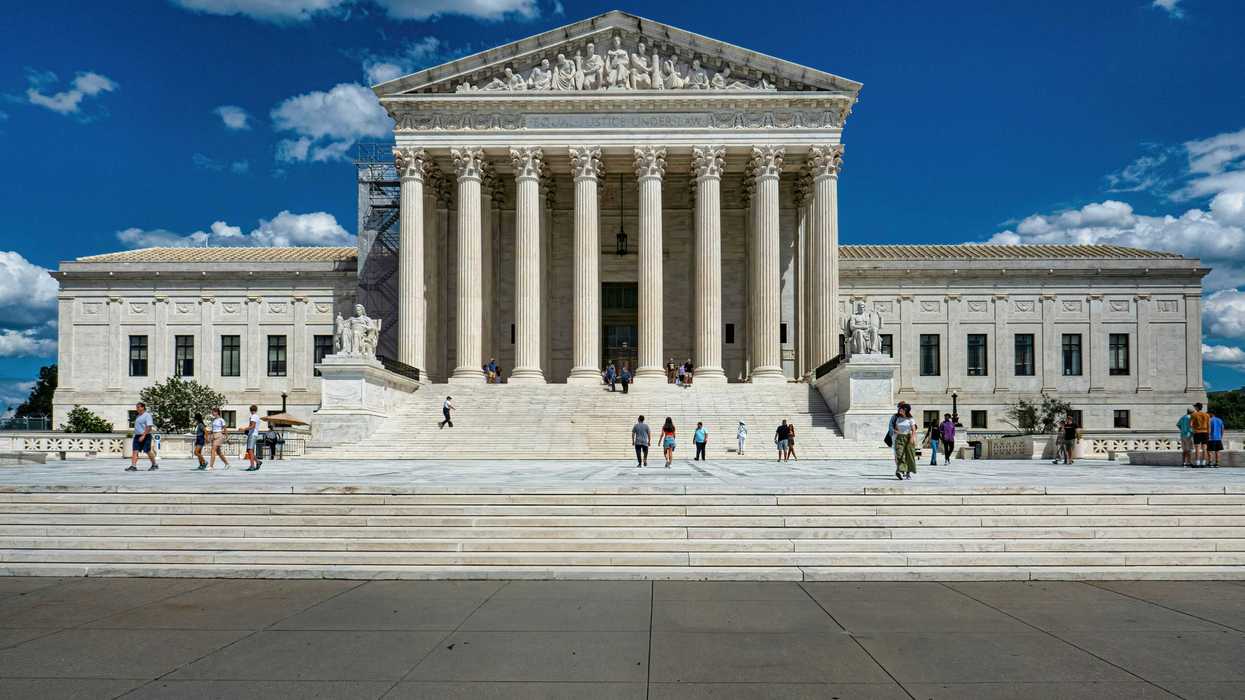

On September 22nd, a Supreme Court majority declined to halt the Trump-Vance administration from reinstating a controversial citizenship-verification program that repeatedly misidentified eligible voters as non-citizens.
The ruling, issued on the Court’s shadow docket, lifts a lower-court order that blocked the Department of Homeland Security from using its SAVE database to flag voters for removal. SAVE checks state-submitted information—such as name, date of birth, and sometimes Social Security number—against federal immigration records to determine whether someone is a U.S. citizen. If the information doesn't match exactly or the records are outdated, eligible voters can be incorrectly flagged as non-citizens.
The decision disappointed Democracy Forward and its coalition partners, including the League of Women Voters and the Electronic Privacy Information Center, who had halted SAVE’s use for three months. Despite the ruling, experts say the impact on the upcoming midterm elections will be limited, and voters still have the most effective means to protect their rights.
What the Decision Means
- SAVE’s accuracy problems are well documented. DHS has acknowledged that the database routinely misidentifies eligible voters, especially naturalized citizens and Americans who derived citizenship through their parents.
- Claims of widespread non‑citizen voting remain unsupported. Research from the Bipartisan Policy Center and the libertarian Cato Institute has found no evidence for the administration’s assertions of large‑scale non‑citizen voting.
- The ruling does not allow mass voter purges before Election Day. Federal law imposes a 90‑day “quiet period” when states cannot systematically remove voters from the rolls. Any effort would likely provoke immediate litigation.
- Even SAVE’s own records contradict the administration’s narrative. The system has never shown evidence of the large‑scale non‑citizen voting the president claims.
In short, the ruling opens the door for SAVE to be used again but does not give election officials free rein to remove voters in mass. Federal protections remain in place.
What You Should Do Now
The most important response to the Court’s decision is action at individual, local, and collective levels. Here are the steps voters should take:
1. Check your voter registration
Confirm your registration is active, even if you have voted for years.
- Check your registration weekly between now and Election Day.
- Voters born outside the U.S. or who derived citizenship through their parents should be especially vigilant, as SAVE has misidentified people in these groups. If you learn you have been flagged as a non-citizen or removed from the voter rolls, contact your local election officials immediately to confirm your registration status. Bring proof of citizenship, such as a passport, naturalization certificate, or other official documents, when you go to the polls. You can also ask voter protection organizations for help if you run into problems.
2. Make a plan to vote
Early voting is strongly encouraged.
- Democracy Forward’s Vote411 resources can help you build your plan.
- Mark October 17, the No Kings Day of Action, focused on early voting nationwide.
3. Know what to do if you face problems at the polls
If you are denied the right to vote:
- Request a provisional ballot.
- Call 1‑866‑OUR‑VOTE for immediate assistance. Language support is available: you can access assistance in Spanish, Mandarin, and several other languages by using the prompts or requesting help in your preferred language when you call. Hotlines in additional languages are also available through the League of Women Voters.
4. Help others vote
Protecting democracy requires community effort.
- Volunteer with Election Protection or your local League of Women Voters chapter.
- Help neighbors, friends, and family check registration, make plans, and get to the polls.
Why This Moment Matters
The SAVE ruling is constitutes a broader pattern: the Trump-Vance administration continues to amplify misinformation about non-citizen voting and promote tools that risk disenfranchising eligible Americans. Currently, the SAVE program is used for voter verification in a handful of states and localities, including Florida, Texas, Ohio, and several Arizona counties. Most states do not rely on SAVE for this purpose, so the ruling will directly affect only voters in those areas. Legal guardrails remain strong, and public participation remains the most decisive force protecting democracy.
The coalition behind League of Women Voters v. DHS emphasizes that disappointment should not become discouragement. The path to protecting elections runs through turnout, vigilance, and community mobilization.
Your vote—and your help ensuring others can vote—is the most effective response to efforts that undermine belief in the electoral system.
David Nevins is the publisher of The Fulcrum and co-founder and board chairman of the Bridge Alliance Education Fund.
This article was adapted from a press release and analysis published by Democracy Forward