
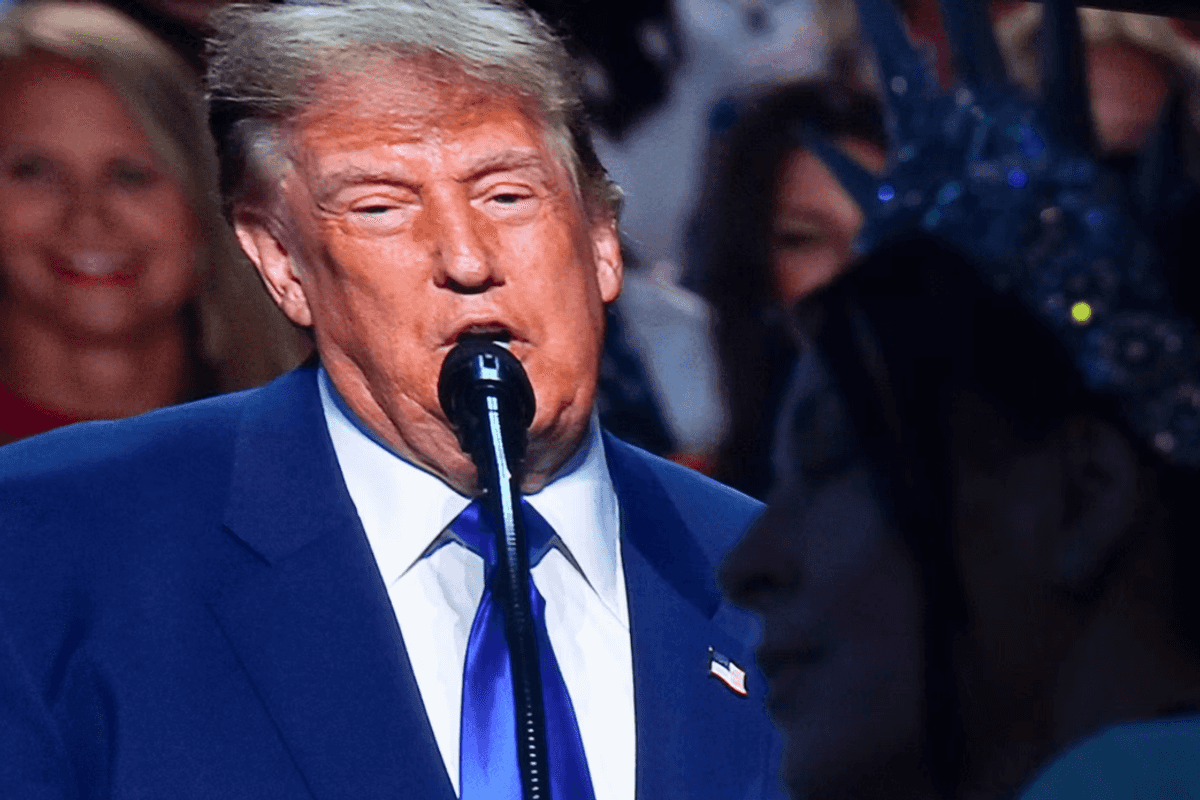

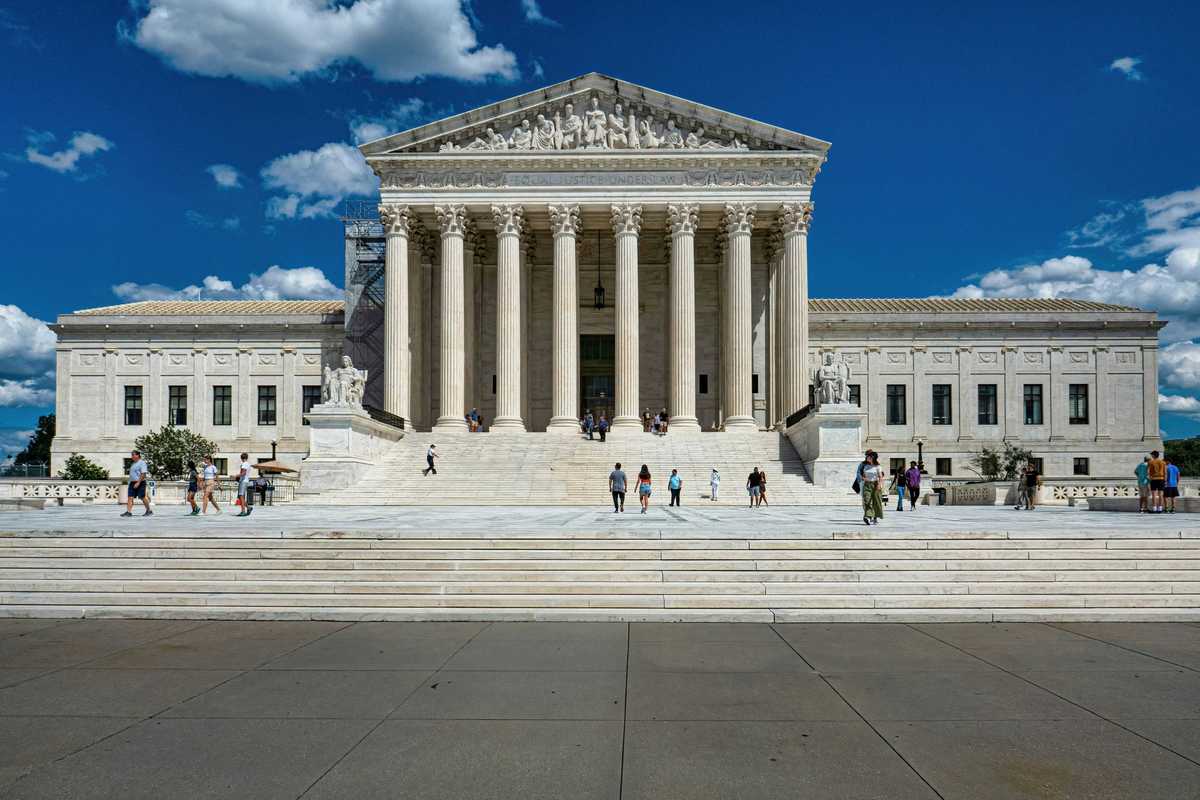

On Monday, the Supreme Court issued a decision overturning the stay issued by Judge Talwani of the US District Court for Massachusetts. The case was brought by 23 states and the District of Columbia to enjoin Executive Order No. 14399, issued by President Trump. The Executive Order (EO) was 90 pages long and is entitled “Ensuring Citizenship Verification and Integrity in Federal Elections”.
The purpose of the EO according to its proponents is to (1) enhance the verification of the citizenship status of the voting public and to explicitly prohibit non-citizens from registering to vote or vote in federal elections; (2) to utilize the Department of Homeland Security (DHS), the Social Security Administration (SSA) and the Systemic Alien Verification for Entitlements program (SAVE) to assist in verifying identity and voter eligibility. (3) Establish the transmission of state citizenship lists and prioritization of investigations and prosecutions related to election fraud. (4) Require the US Postal Service (USPS) to issue new rules on mail-in and absentee ballots. (5) Have the Secretary of Homeland Security, the Commissioner of the SSA, and the Postmaster General, in coordination with the Secretary of Commerce, to effectuate all relevant aspects of the implementation of the Order. (6) Enforcement authority for this EO is vested in the Attorney General.
The EO had several critical clauses. For example, it requires the states to comply with the directive to deliver their citizen lists to the federal government and requires all mail-in ballots utilized by the states to be delivered with specific “secure envelopes” with barcodes which could be scanned by the USPS. Ballots issued by non-compliant states would be denied postal service by the USPS. The Final USPS Rule was effective on the twenty-first of August.
The Supreme Court issued its decision on August 24th. It was an odd decision in that we are now less than 70 days until the midterm elections, and the states have already begun to prepare their ballots, including their mail-in ballots and absentee ballots, for distribution to voters. In some cases, they are due to be mailed as early as September 4th.
According to the US Constitution, Article 1 Section 4, Clause 1:
The Times, Places and Manner of holding Elections for Senators
and Representatives shall be prescribed in each State by the
Legislature thereof; but the Congress may at any time by Law make
or alter such Regulations, except as to the Places of choosing Senators.
In other words, the responsibility for regulating elections rests first with the States and second with Congress. Justice Jackson in her dissent notes that the Constitution intentionally excluded the executive from centralized control of elections.
Justice Jackson further notes the longstanding tradition that the Supreme Court has applied, referred to as the Purcell Principle, a legal doctrine meant to prevent last-minute changes to election rules.
The decision by District Judge Talwani was carefully limited in scope to the November 3rd elections. In other words, the State’s election infrastructure would not need to restructure its respective operations in order to comply with new federal regulations so close to the mid-term elections. The substantive aspects of the EO remain to be evaluated and may possibly be applied to the 2028 elections.
Justice Jackson, however, felt that this may be the point. The President has been accusing the States of mishandling and/or rigging elections, largely without evidence of the alleged widespread voter fraud. By undermining Americans’ confidence in elections, he has used a variety of charges to foment confusion. Many states have initiated radical redistricting, meaning people who have voted at the same polling places for years will now find themselves in new districts with new candidates.
The EO and the new USPS Rule call for the jailing of Secretaries of State and other election officials who fail to comply with the new dictates. The EO is an effort to effectively nationalize the federal election process, diminishing state sovereignty and the states' independent authority to administer election laws, and constituting direct federal interference in election administration. In addition, the President has fired the members of the independent Election Assistance Commission.
The failure of SCOTUS to sustain the District Court decision throws the states into entropy, as they now must reorganize to comply. It is important to note that The SCOTUS decision was not based on the merits of the claim. Specifically, the Administration did not defend the EO, which the District Court had decided was unconstitutional. The Supreme Court ruling focused on timing, stating that since the USPS Final Rule had not yet been published at the time of filing, the case was not “ripe” for a decision on the injunction.
In fact, however, the USPS Final Rule was published on the 21st of August, and the decision from SCOTUS came down on the 24th of August. According to the terms of the SCOTUS ruling, since the Final Rule has since been published by USPS, the case is now ripe for a determination. The 23 states and the District of Columbia and several other interested parties have already returned to the District Court and obtained a new injunction. It is expected that the President and USPS will again seek an appeal to SCOTUS.
Imagine for a moment you are trying to organize an election. It is 5 days before the voting begins and 8 weeks before the election is concluded, and you may still need to switch directions once again.
Confusion works to the benefit of those trying to disrupt the election. Perhaps that was the goal all along.
Walter H. White, Jr. is a board member of Lawyers Defending American Democracy a founding director of the ABA Center for Human Rights and has served as an election observer in the former Soviet Union on behalf of the Organization for Economic Co-operation and Development.








The President Invited Iran to Bomb My Home