

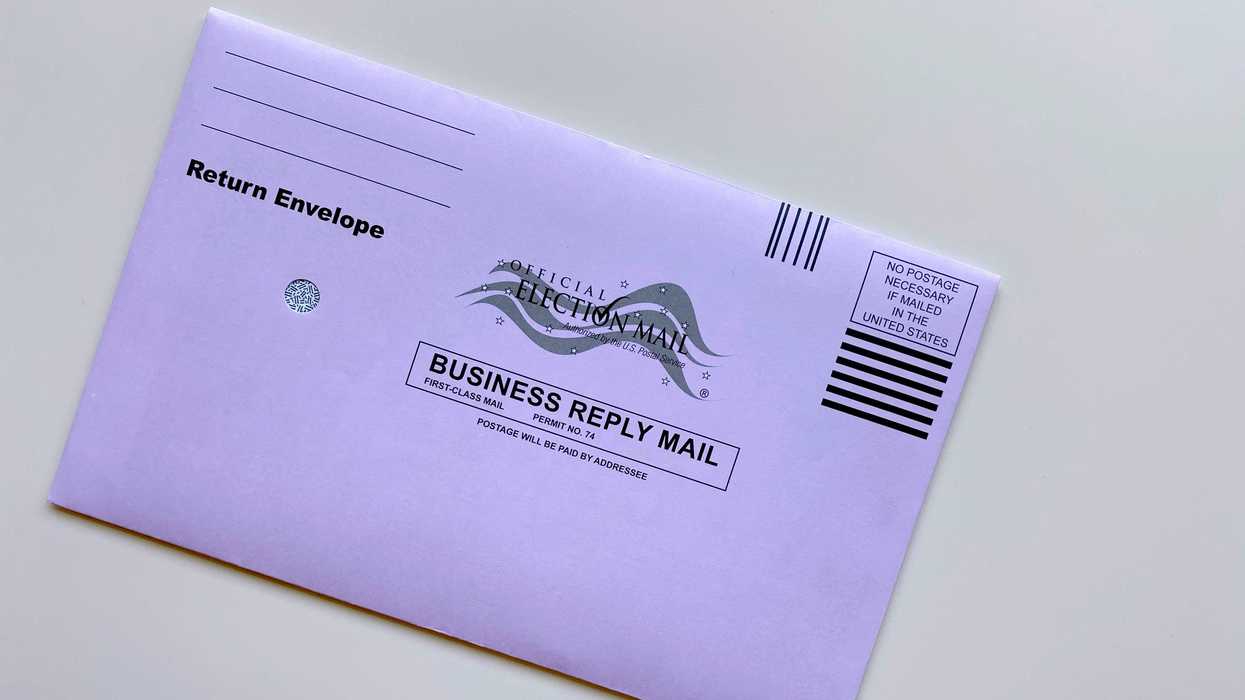

The Supreme Court closed out its term and issued decisions that could affect millions of Americans. Among them is Watson v. Republican National Committee, in which the court decided in a 5-4 decision to uphold longstanding Mississippi law and allow mail-in ballots received post-Election Day to be counted.
The legal implications of the decision will be analyzed for months, if not years. But beyond the legal questions is a practical one: What role does mail voting actually play in helping Americans participate in elections?
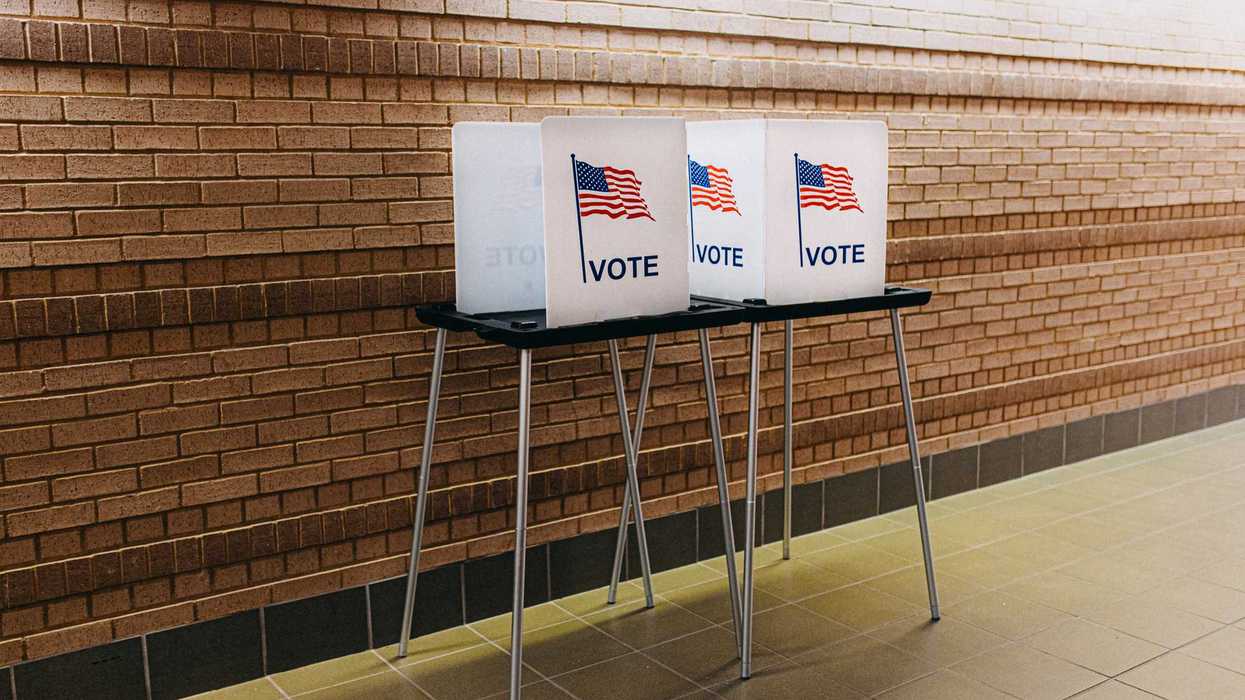
Modern ballots routinely ask voters to weigh in on candidates for multiple offices, judicial races, school board contests, constitutional amendments, and local ballot measures. Yet election debates often treat voting as if it were a simple transaction: show up, cast a ballot, and leave.
In reality, democracy works best when voters have time to make informed choices. Voting is not supposed to be a closed-book test.
Consider a voter opening a ballot at home. Alongside candidates for president, governor, or Congress, there may be judicial elections, school board races, local offices, constitutional amendments, bond proposals, and ballot initiatives. Some of these contests will shape daily life in a community long after a presidential election is forgotten.
Political scientists have long documented what is known as "ballot roll-off" — the tendency for voters to participate in high-profile races while skipping contests farther down the ballot. A voter may know who they support for president or governor, but know far less about a school board race, judicial contest, or ballot measure that could affect their community for years to come.
Yet these are often the decisions that have the most immediate impact on daily life. When the ballot arrives at home, voters have the opportunity to look up candidates, read about ballot measures, and take the time needed to make informed decisions.
Few Americans would argue that voters should know less about the choices before them. Yet many election debates overlook the role that time plays in helping voters become informed participants.
The benefits of mail voting extend across a wide range of voters and circumstances. One of its most significant contributions is giving voters more time to engage with the choices before them.
For many Americans, it also provides a critical pathway to participation itself.
Voters with disabilities offer one example. In 2022, nearly 16 million Americans with disabilities voted. Research conducted for the U.S. Election Assistance Commission found that voters with disabilities were 1.2 times more likely than others to vote by mail.
For these voters, mail voting can be a necessary path to participation.
Military and overseas voters provide another example. For generations, absentee voting has helped ensure that Americans serving abroad can participate in elections back home. But getting a ballot completed and returned is often subject to delays and complications, especially for those actively serving in the field.
As noted above, the Watson case centered on whether states may accept ballots received after Election Day. Should the very individuals serving our country abroad, or others who choose to vote by mail, lose their vote because of postal delay or other event beyond their control?
Most Americans are balancing work schedules, family responsibilities, health concerns, transportation challenges, and countless other demands on their time. Election systems that provide multiple pathways to participation – by mail, early in-person, or on Election Day itself - are often better positioned to meet voters where they are.
Election policies are often judged by how they affect election administration. They should also be judged by how they affect voter participation.
Whatever one's views on the decision this week in Watson, the conversation should not end with the legal ruling itself. The larger question is whether election systems give Americans a meaningful opportunity to cast a ballot and have it counted.
For millions of Americans — including voters with disabilities, military personnel stationed overseas, and citizens wishing to take the time to research down-ballot races — mail voting remains an important tool for participation in our democracy.
Brian Miller is the Executive Director of Nonprofit VOTE.