



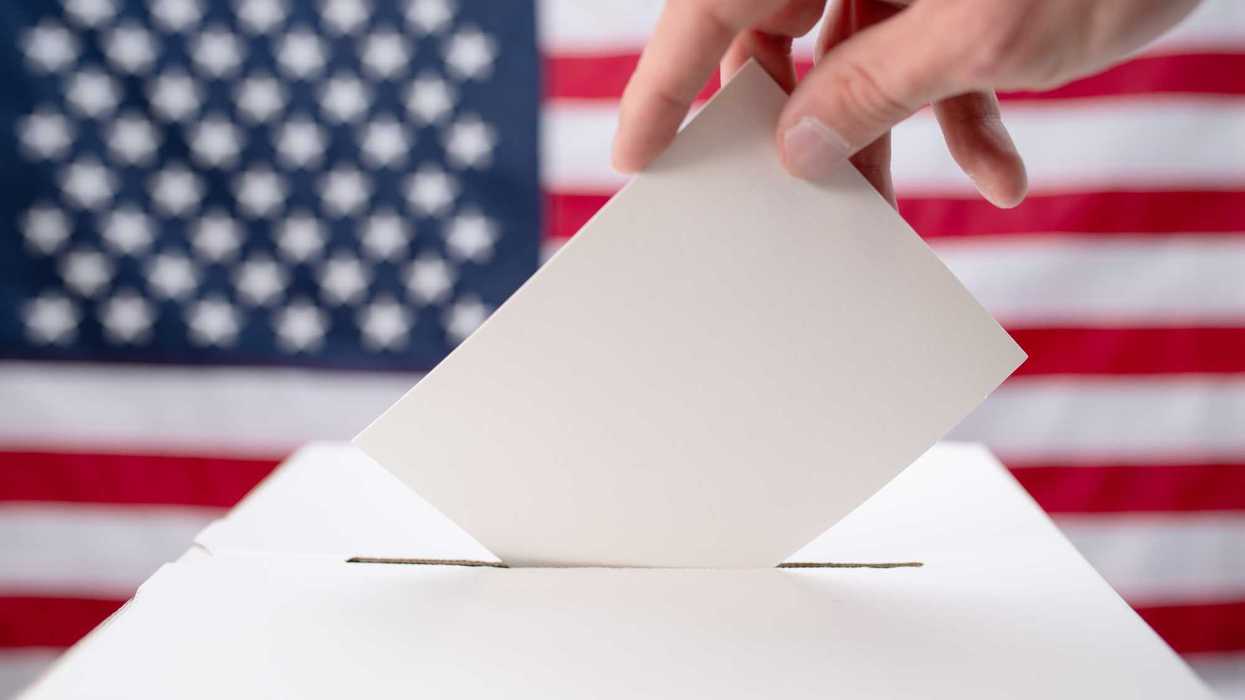
Weeks before Americans cast their midterm ballots, President Donald Trump has asked the U.S. Supreme Court to reinstate an executive order that would sharply restrict mail‑in voting. Courts have already blocked the order, calling it an overreach that would inject federal control into state‑run election systems. But the administration is pressing ahead anyway, and the consequences — especially for Latino voters — could be profound.
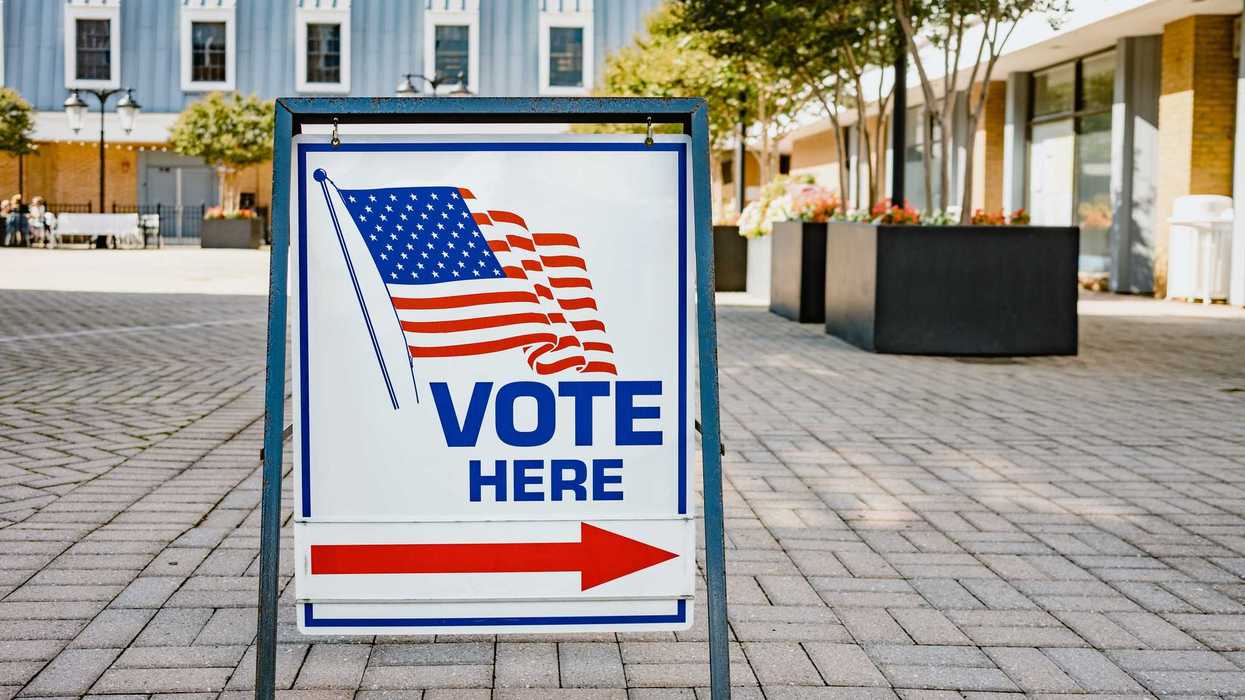
Mail‑in voting is not a luxury. It is how working parents, seniors, rural voters, people with disabilities, and millions of naturalized citizens participate in democracy. It is how communities that have historically faced barriers to the ballot box finally gained reliable access. And it is how Latino voters — the fastest‑growing segment of the electorate — have expanded their political power. When a president asks the Supreme Court to take that access away, we should be clear about what is happening: this is not about election integrity. It is about power.
Voto Latino Executive Director Beatriz Lopez put it plainly in her statement responding to the emergency request: Every time the Latino electorate becomes too large to ignore, new attempts emerge to make voting harder. Her warning is not abstract. Trump is not only seeking to restrict mail‑in voting; he is simultaneously pressuring Senate Republicans to pass the SAVE Act, a bill that would impose burdensome proof‑of‑citizenship requirements and risk purging millions of eligible voters — including naturalized citizens and married women — from the rolls. Taken together, these efforts form a coordinated strategy to shrink the electorate from multiple directions.
The legal filings tell the same story. According to VoteBeat, the executive order would require states to submit federal “citizenship lists” to the U.S. Postal Service, and only voters appearing on those lists would receive mail ballots. Election officials warn that the system is untested, unworkable, and impossible to implement safely this close to Election Day. Democracy Docket notes that 23 states have urged the Supreme Court to uphold the block, arguing that the order would “implode the midterms” by forcing USPS — a mail carrier — to become a gatekeeper of voting rights.If allowed to proceed, the order would not fall evenly across the electorate. It would hit hardest where mail‑in voting is most essential: communities with long work hours, limited transportation, inconsistent access to polling places, and high numbers of naturalized citizens. In other words, it would hit Latino voters. It would hit the very communities that have spent decades fighting for equal access to the ballot.
The Supreme Court could rule at any moment. Whatever the outcome, one truth remains: democracy is not defended by silence. Latino voters have expanded their political power through persistence, organization, and the belief that their voices matter. That belief is being tested again. And as Voto Latino made clear, the community is not backing down. They are watching, organizing, and preparing to ensure that every eligible Latino voter can be heard — this November and every election after.
Latino Voters Stand to Lose the Most if Supreme Court Greenlights Trump’s Mail‑Voting Power Play was first published by the Latino News Network and was republished with permission.
Hugo Balta is the executive editor of The Fulcrum and the publisher of the Latino News Network, and twice president of the National Association of Hispanic Journalists.







The President Invited Iran to Bomb My Home