


President Trump and his administration have been working diligently to try to undermine Americans’ trust in our elections. The steady drumbeat of lies and disinformation is intended to give cover to their efforts to interfere in our elections and stack the deck in their own favor. Time and time again, we see them justify their actions by making false claims of widespread fraud from noncitizens voting (something that is exceedingly rare). Back in 2020, we saw secretaries of state from both parties hold the line and protect our elections from executive branch interference. However, this year, President Trump is prepared to go further. From deploying the FBI to raid local elections offices in Fulton County, Georgia, to the President’s repeated claim that the only way the opposing party can win is by “cheating,” the administration has been working overtime to sow doubt in our elections.
That’s bad enough. But now, the President’s allies in Congress are getting in on the act with a raft of new legislation that would trample Americans’ most basic right: the right to vote. As former members of Congress, we are deeply concerned.
This bundle of so-called “election security” bills consists of the SAVE Act, the SAVE America Act, and the MEGA Act. Advocates for these bills argue that they are necessary to combat voter fraud, but the truth is that voter fraud is already extremely rare, and this legislation would make it harder for millions of American citizens to vote. Perhaps even more worrisome, one bill in particular — the MEGA Act — would effectively nationalize elections, violating states’ rights and concentrating unprecedented power over elections in the executive branch.
But that’s exactly what President Trump and his allies want.
Mere days after the FBI’s Fulton County raid, the President called on Republicans to “nationalize” elections, which conservatives would’ve thought unimaginable just a few short years ago. Nationalizing America’s elections would be a flagrant violation of Article I of the U.S. Constitution, which gives the states control of our elections. If the MEGA Act were to become law, it would come with sweeping consequences for voters: opaque purges from voter rolls, stricter ballot deadlines, restricted registration and voting methods, voter eligibility screening by political appointees with flawed federal databases, new executive branch authority over sensitive voter data and election systems, and more. The consequences would be disastrous: disenfranchising eligible voters, imposing serious, unfunded burdens on overworked state and local officials, and violating states’ Constitutional right to administer their own elections.
Similarly, the SAVE and SAVE America Acts would implement stringent documentation requirements, forcing voters to bring a birth certificate or U.S. passport in person just to register to vote, and requiring them to update their registration every time they move or change their name. This is an attack on married women who have changed their last names and have a discrepancy with what is on their birth certificate. And, these bills take away the conventional option to register or update registration online or by mail. The SAVE America Act would go further by tacking on federally mandated on-site citizenship re-verification and strict voter identification rules that would shift authority away from local election administrators and into the hands of Washington. Last year, nearly 60 bipartisan election officials sent a letter to Congress opposing the SAVE Act.
Some of these may seem like reasonable requirements at first glance. But this is not about common-sense election improvements. It is about placing the machinery of voter registration and list maintenance — including the power to purge voters and control sensitive personal data — under the executive branch's political control. And it is about making registration and voting much harder for millions of American citizens who do not readily have access to these documents. Seniors, newlyweds, military service members, rural voters, citizens in the process of moving — there are any number of reasons why someone may not have immediate access to all the necessary, up-to-date documents. The Constitution protects the right of American citizens to vote. It must not be undermined or weaponized based on unreasonably high hurdles that prevent eligible voters from casting a ballot.
Election security and access are not mutually exclusive. Americans deserve free and fair elections without unnecessary, politically motivated restrictions. We must protect the integrity of our elections. And in so doing, we must ensure eligible citizens are not discouraged from exercising their civic duties.
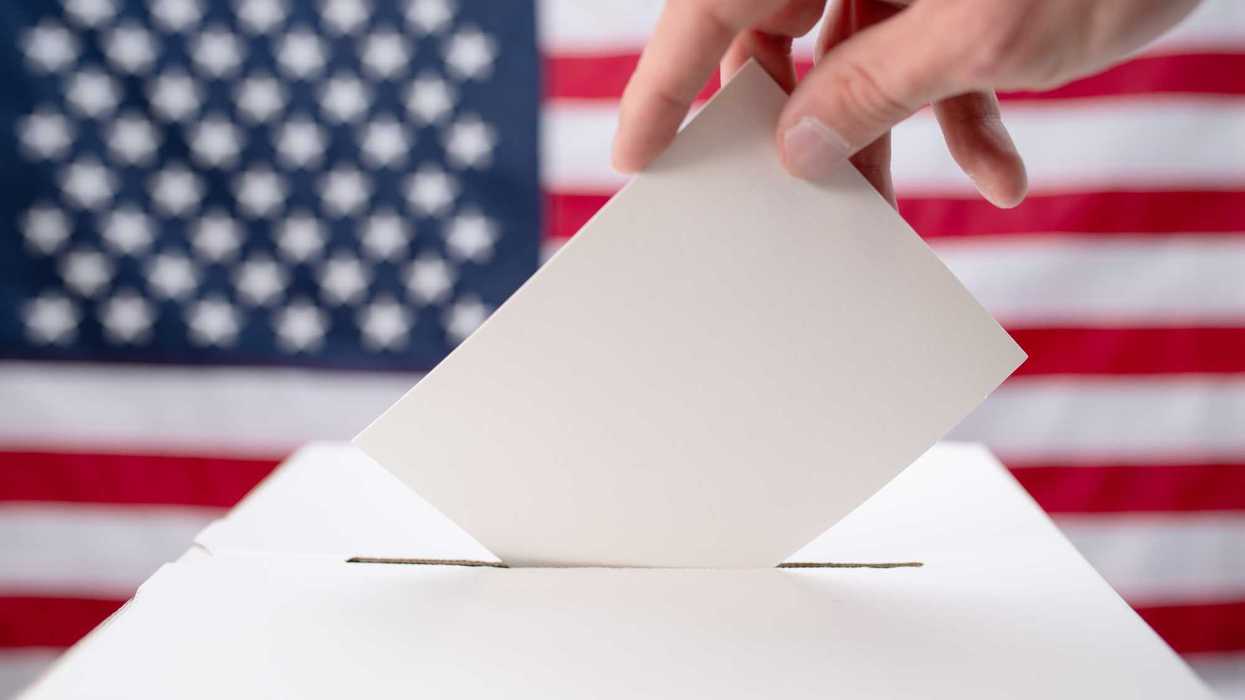
This week, the Senate will debate the SAVE America Act. And in the coming weeks, Congress will likely continue to vote on one or more of these pieces of legislation. Call your senators and representatives to demand that they reject these bills and any attempt to centralize political control over elections. Instead, insist that they uphold the Constitution and the rights of the citizens they serve. Let us be abundantly clear: these are dangerous bills designed to undermine the Constitution and make it harder for more Americans to vote.Peter Smith, a Republican, served in Congress representing Vermont’s at-large district from 1989-1991.Elizabeth Holtzman, a Democrat, served in Congress representing New York’s 16th congressional district from 1973-1981. Both are now members of Issue One's ReFormers Caucus.










The President Invited Iran to Bomb My Home