As America approaches the 250th anniversary of the Declaration of Independence, we find ourselves in an uncertain time.
No matter our politics, many of us feel it: a sense of anxiety about where the country is headed and whether we are too divided to come back together. That unease has surfaced especially around one of the most basic acts of self-government: voting in free and fair elections. Too many Americans now approach elections with doubt, frustration, or mistrust. At this milestone, we have a choice. We can give in to cynicism, or we can help renew one of our most important shared American traditions and make sure every eligible voter can participate with confidence.
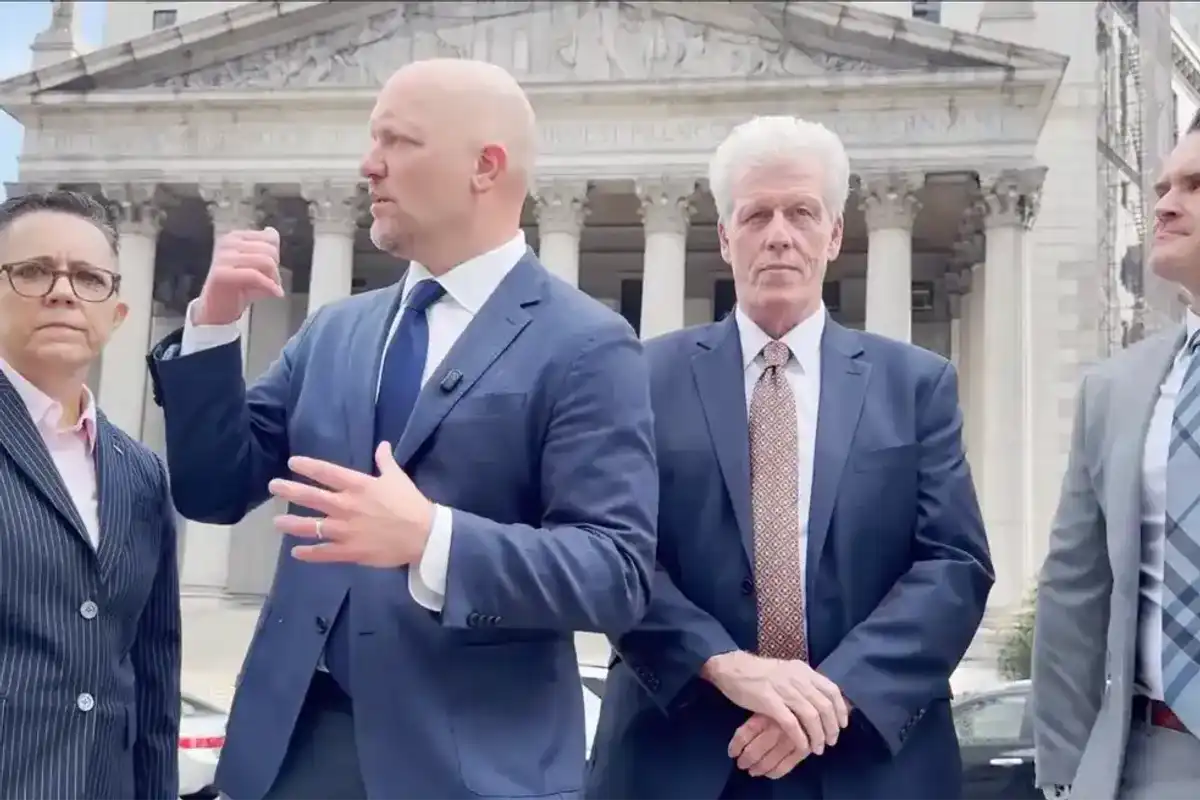
For us, as patriotic Americans who have each taken an oath to uphold the U.S. Constitution, the answer is clear: show up. That conviction is what brought us together to launch Project HALO.
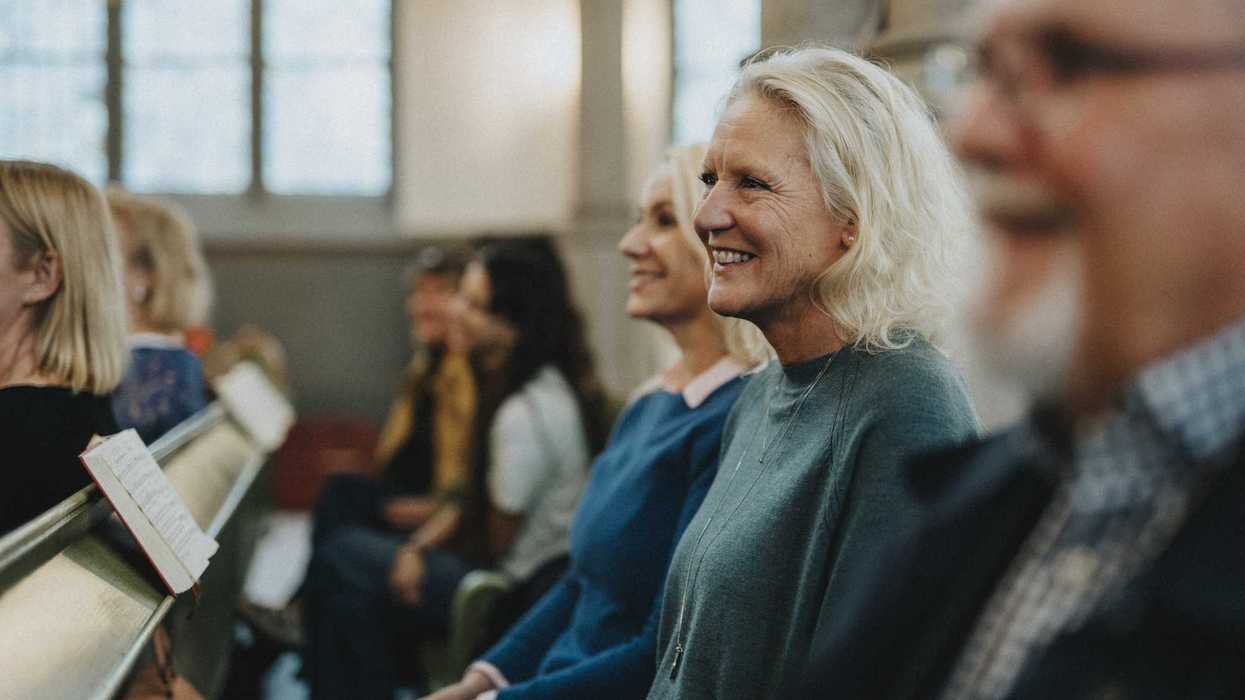
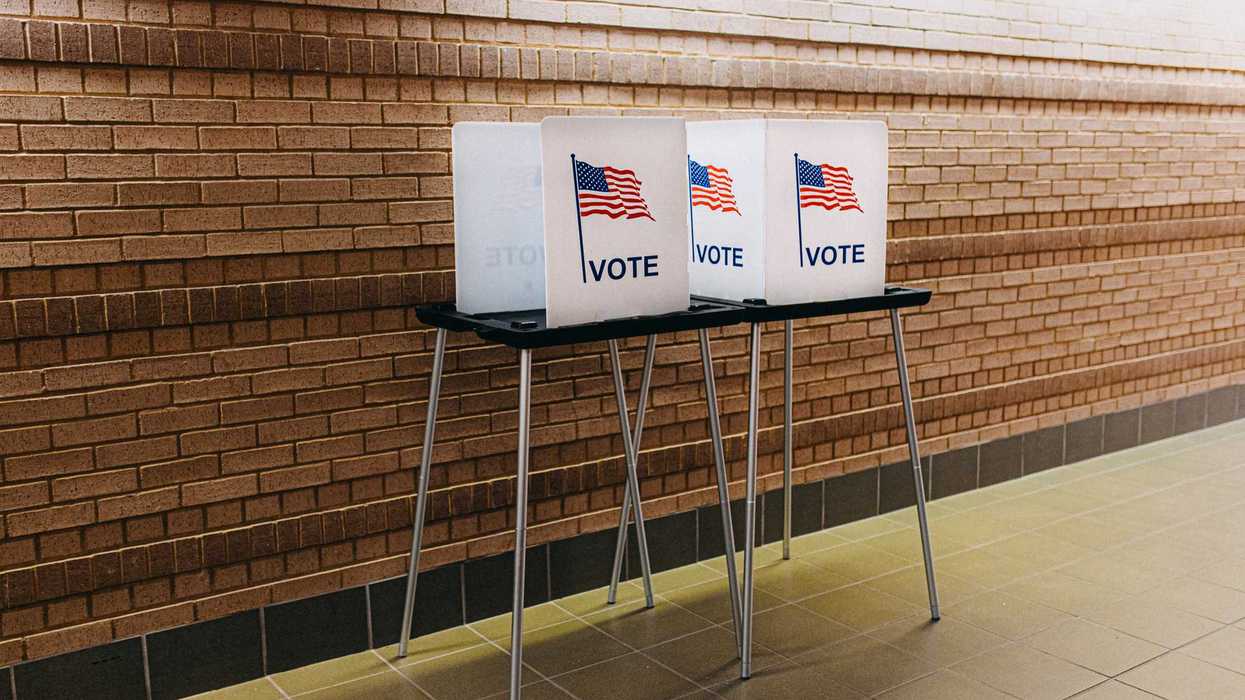
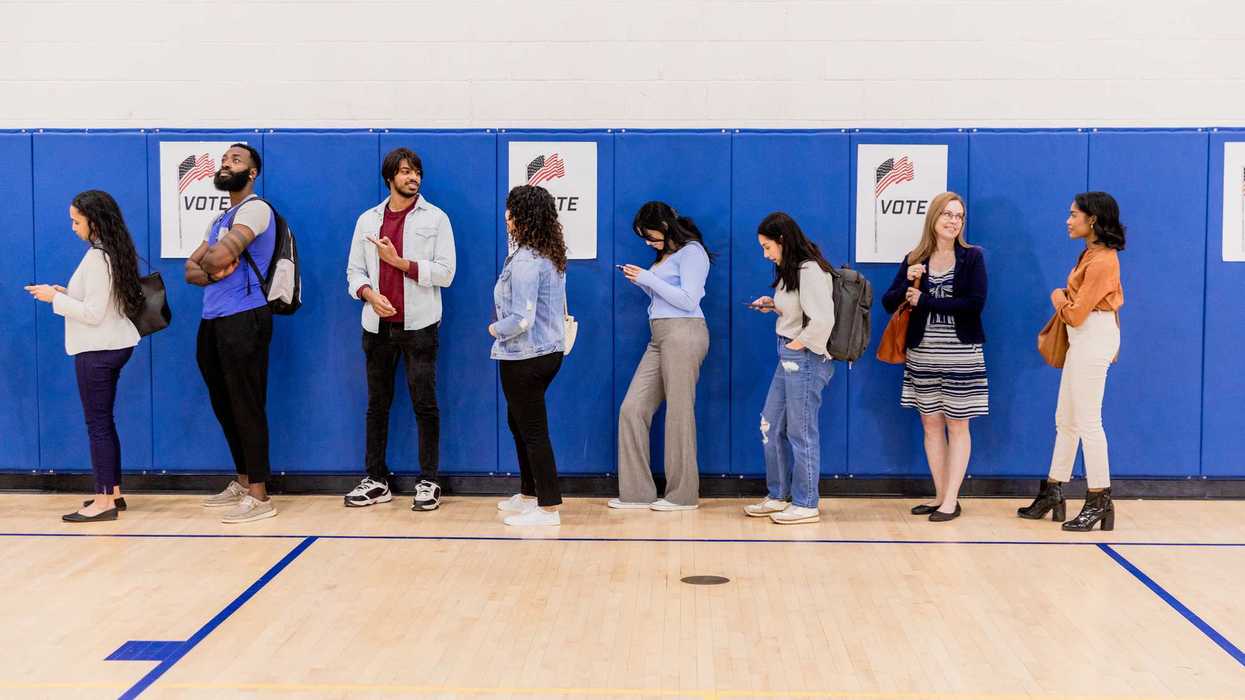
Project HALO brings veterans, legal professionals, faith leaders, and everyday citizens together near polling locations for patriotic activities and community celebrations — making elections feel welcoming, visible, and grounded in civic pride. On Election Day and in the months before, cohorts of trusted community members will be present in neighborhoods across the country, not as protesters, but as neighbors. They will publicly reflect on what American citizenship means to them and offer opportunities for everyone to celebrate our democracy. And they will be trained to direct voters to the most trusted sources of election information and to help create a calm, welcoming environment so every eligible voter can participate with confidence.
The strength of these cohorts comes not only from showing up, but from who is showing up together. Each trusted community member carries a different kind of public credibility. A lawyer or retired judge signals respect for the rule of law. A faith leader signals moral responsibility and care for neighbors. A veteran signals service, duty, and commitment to the country. When they stand together, the message is broader and more durable: supporting the right of every eligible American to vote is not the work of one party, one profession, or one organization. It is a shared civic responsibility. That cross-sector presence helps reassure voters, support election officials, and remind the public that elections belong to the whole community.
That kind of cross-community effort is our answer to cynicism. It reflects what American civic life is supposed to be at its best: people from different backgrounds, beliefs, and traditions standing together around a shared responsibility.
We come to this work from different paths of service. But we share a common belief: voting is one of the most important things Americans do together, and it deserves to be treated that way. Not as a bureaucratic obligation. Not as a battleground. But as a shared civic tradition worthy of celebration.
We are doing this now because the moment calls for it. Confidence in elections is not built only in courtrooms, legislatures, or television studios. It is built locally, through trusted relationships and visible acts of civic care. As our country marks 250 years since the Declaration of Independence, Project HALO will be in communities across America helping renew what self-government depends on most: people showing up for one another, and for the shared traditions that hold us together.
Learn more or get involved at halovote.org
Daniel Miller is a lawyer and Co-Founder of Democracy Rising Collaborative.
Christopher Purdy is a U.S. Army Veteran and CEO & Founder, The Chamberlain Network.
Rev. George Scott is a Lutheran Minister and a U.S. Army Veteran.