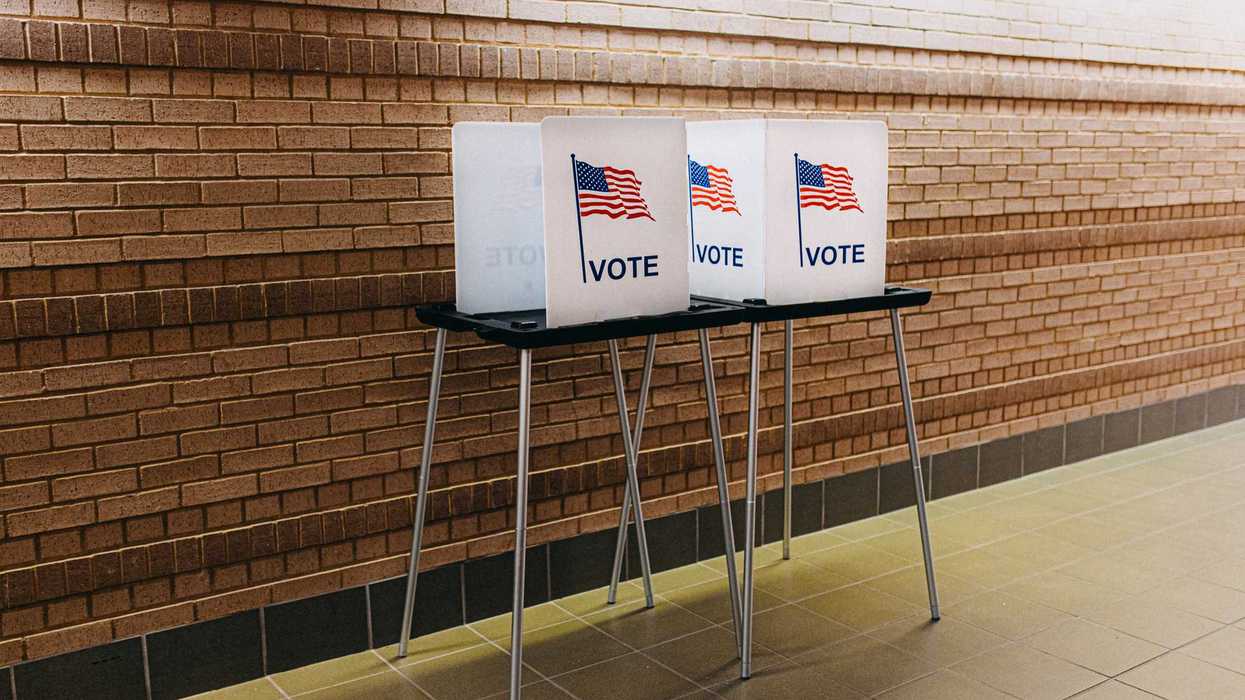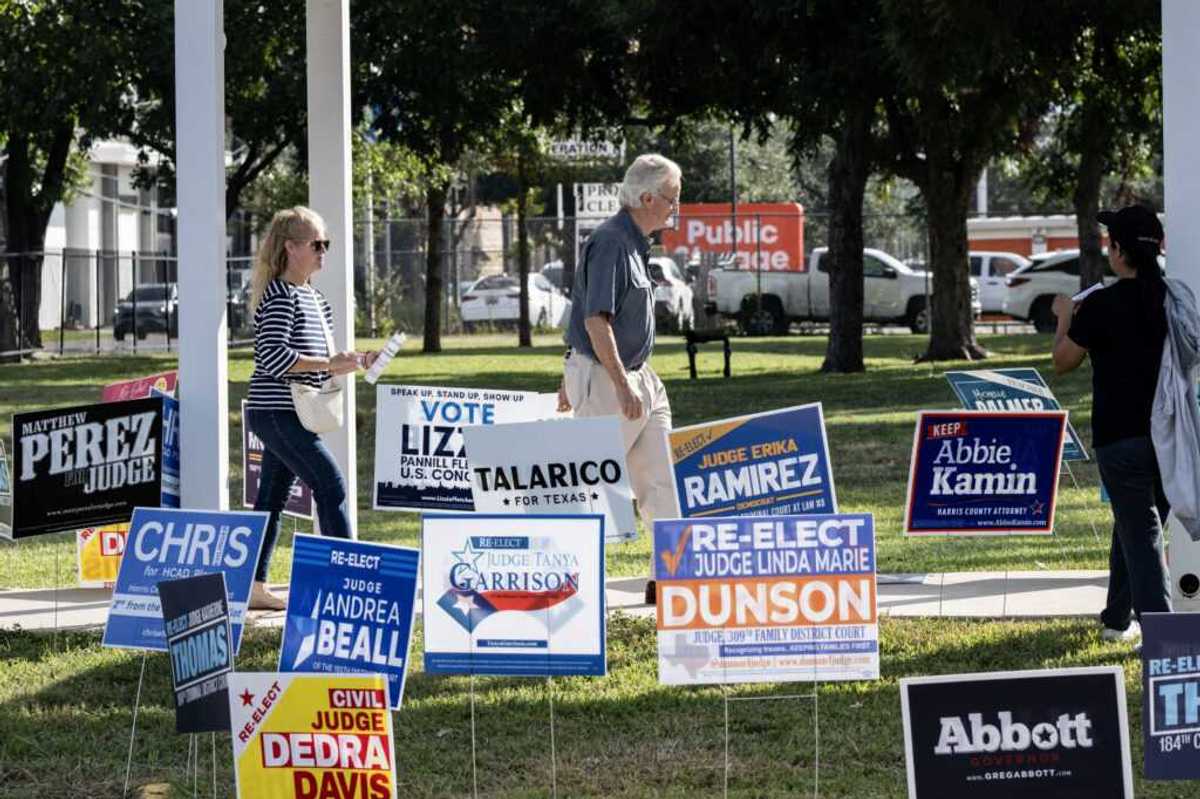



Since Bush v. Gore in 2000, election litigation has become a routine feature of American democracy. A few months ago, the Supreme Court made our litigious habit easier to indulge.
In Bost v. Illinois State Board of Elections, the Court expanded who could sue to challenge election procedures (candidates no longer had to demonstrate individualized harm to bring a case). This ruling, likely to stoke litigation, lands in a country already losing faith in its electoral system and amid increasing pressure on the judiciary.
More lawsuits, plus less trust in institutions, are not a reassuring trajectory for American democracy. Many election lawsuits concern ordinary administrative issues, such as questions concerning voting machines or list maintenance. In most democracies, such concerns are seen for what they are: technical complaints that can be quickly and cheaply resolved or responded to by people who understand how elections work.
There is a term for this process (though admittedly dull): administrative election dispute resolution, or AEDR, in which those with knowledge about how elections are run address legitimate concerns, dismiss frivolous ones, and create a clear record for cases that genuinely require a judicial decision. Most democracies worldwide have incorporated AEDR into their elections. U.S. states do too, but in a scattershot way and largely under the radar. While no system is perfect, comparative experience indicates that, with robust, structured AEDR mechanisms in place, fewer disputes escalate into lengthy litigation, and election administrators can demonstrate the ability to self-correct—thereby building citizen trust in the process.
The United States Congress chose to follow this path after the 2000 election debacle. The Help America Vote Act of 2002 (HAVA) requires every state to establish an administrative complaint process for certain types of election disputes. Twenty years later, some states have developed detailed AEDR procedures, forms, deadlines, and hearing rules, while others simply copied HAVA’s language into law and left the rest to improvisation. Most Americans (and election attorneys) are unaware that such a process even exists.
The effects of inadequate AEDR are clear in the form of needless litigation. To provide a recent example, in Kramer v. Hoskins, a self-represented plaintiff sued the Missouri Secretary of State to request an administrative hearing regarding her concerns about voter list maintenance, a process mandated by HAVA. Missouri’s election commission dismissed her complaint, citing timing issues (Missouri‘s AEDR law imposes a 30-day deadline to use its AEDR process following an election’s certification). The court issued an injunction requiring the state to hold the hearing, highlighting the failure of Missouri’s HAVA AEDR in practice: a voter had a procedural concern; Missouri offered no effective administrative channel to address it. The federal court was the voter’s only recourse.
This might seem like a boring procedural drama. But it is more than that. It reveals a structural problem in American democracy that gets very little attention. When people have legitimate questions or concerns about an election and lack a clear, accessible, and technically-In an
informed place to ask those questions, they turn to social media and conspiracy narratives. Sometimes they go to court if they can afford it, or they give up. None of these options helps strengthen the system or increase public trust. The current setup overwhelms court dockets, perpetuates legal uncertainties, disrupts election planning, and wastes resources that could be used more productively.
International experience demonstrates it doesn't have to be this way. Democracies across legal traditions have developed administrative systems to handle large numbers of complaints about how elections are run, while courts serve as safety nets rather than first responders.
Based on decades of comparative electoral work, our recent research identifies five principles that distinguish effective AEDR systems from ineffective ones. First, not all election disputes belong in the same forum; administrative bodies can address process issues, while constitutional challenges and claims of disenfranchisement belong in court. Second, complaint processes must be simple and accessible to serve all election stakeholders. Third, impartiality should be built into institutional design, as in New Hampshire’s bipartisan Ballot Law Commission. Fourth, AEDR must be transparent to build public trust. Finally, AEDR supplements rather than replaces courts by developing factual records, narrowing disputes, and resolving routine cases so judges can focus on harder questions of law.
No constitutional change or new legislation is needed to achieve this; indeed, federal law already mandates it. What’s missing is the political will to fund AEDR, train adjudicators, ensure quick and transparent decisions, and set timelines aligned with election schedules.
American democracy currently faces a barrage of election complaints, ranging from minor issues to serious, fact-based claims. The country needs a trustworthy system to handle these complaints before they escalate into lawsuits and conspiracy theories. More lawsuits deepen divisions, erode public trust in elections, and threaten judicial independence. Other democracies have faced electoral crises and found solutions through effective AEDR.
We can too.
Chad Vickery is Founding Partner of Vickery Law LLP and Board Chair of The Concord Project.
Katherine Ellena is CEO of The Concord Project and Co-Founder of Partnerships for Integrity.
Rebecca Green is Professor of Law and Co-Director of the Election Law Program at William & Mary Law School.
They are co-authors of "Comparative Administrative Election Dispute Resolution," forthcoming in the Review of Litigation, and Professor Green is the author of “Administering Election Disputes” in the University of Miami Law Review (2026).
.