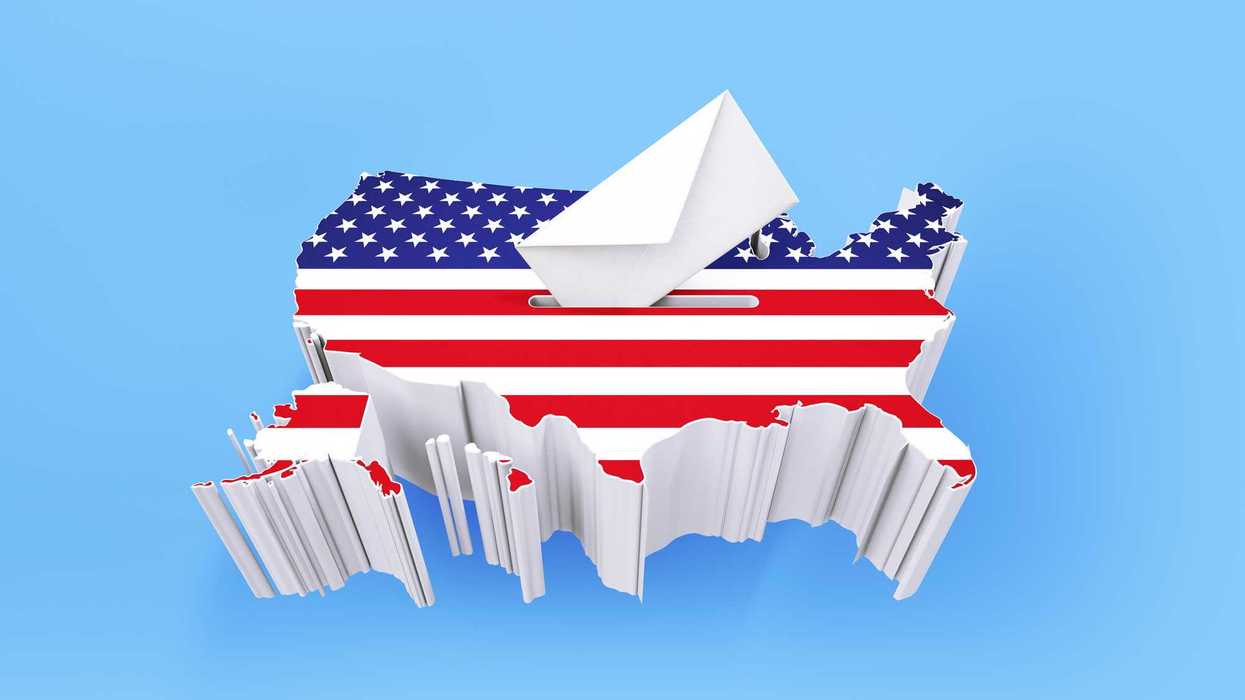
Conservatives defend the Electoral College as a cornerstone of federalism because it prevents national popular majorities from erasing the constitutional authority and distinct political identities of individual states, claiming it provided institutional stability and safety valves.
In spite of these claims, instances of "federalism at its worst" under U.S. presidents who won the Electoral College but lost the popular vote generally manifest as severe jurisdictional friction, federal overreach that subverts state sovereignty, or the complete abdication of federal coordination that forces states into destructive competition.
When a president lacks a national popular mandate, the inherent tension between national authority and state autonomy often sharpens. The historical record highlights prominent examples under three such presidents:
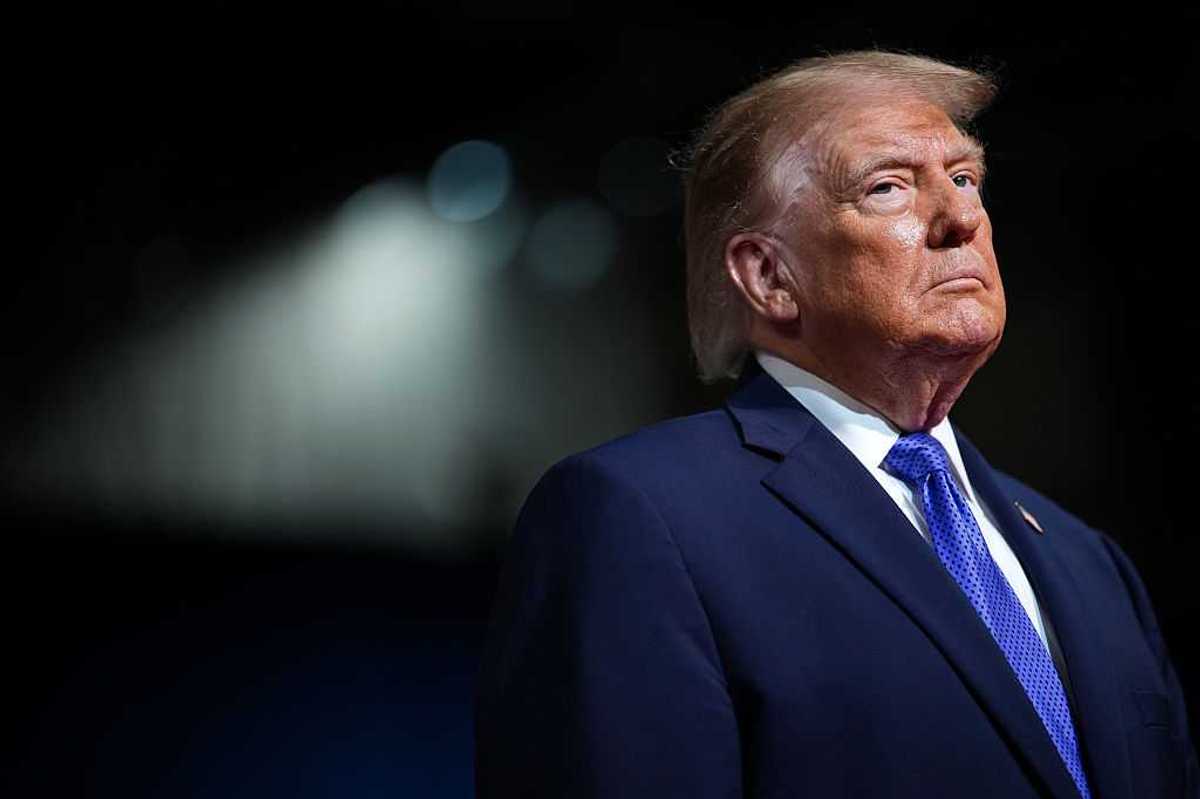
Donald Trump (2016 Election) — "Hunger Games" Federalism and Coercive Politics
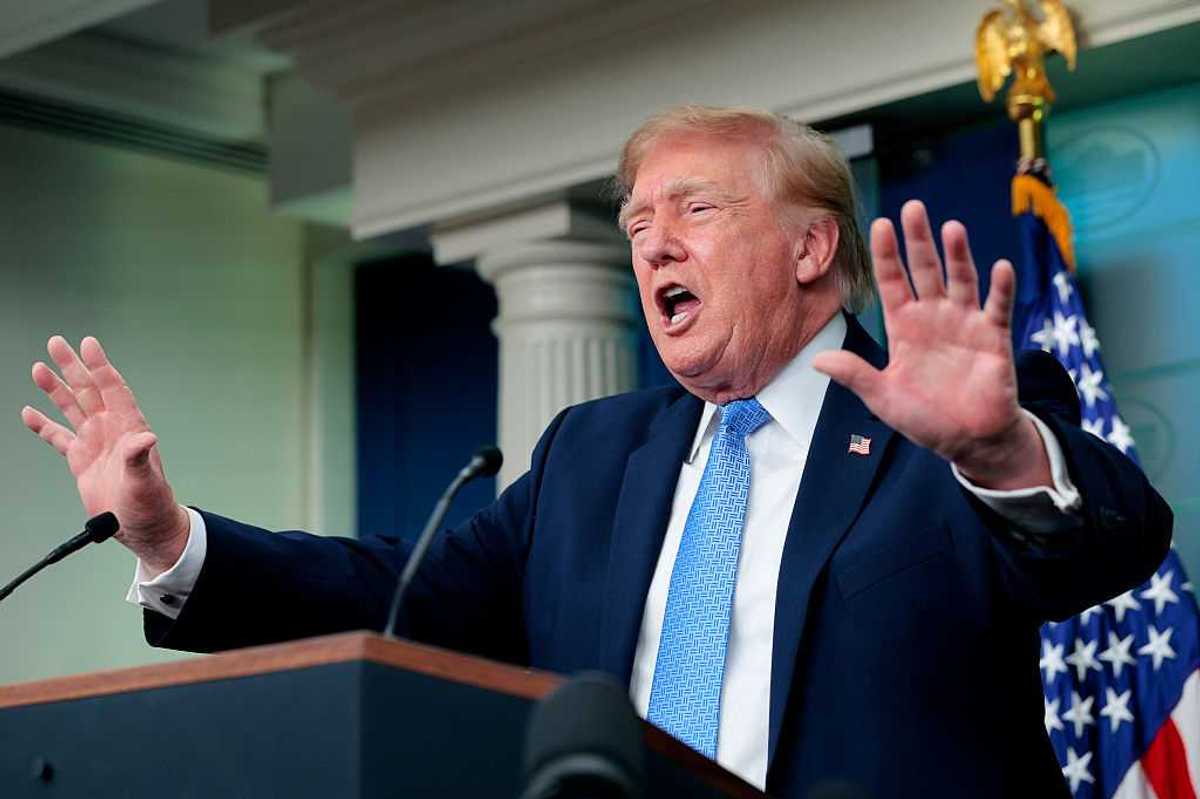
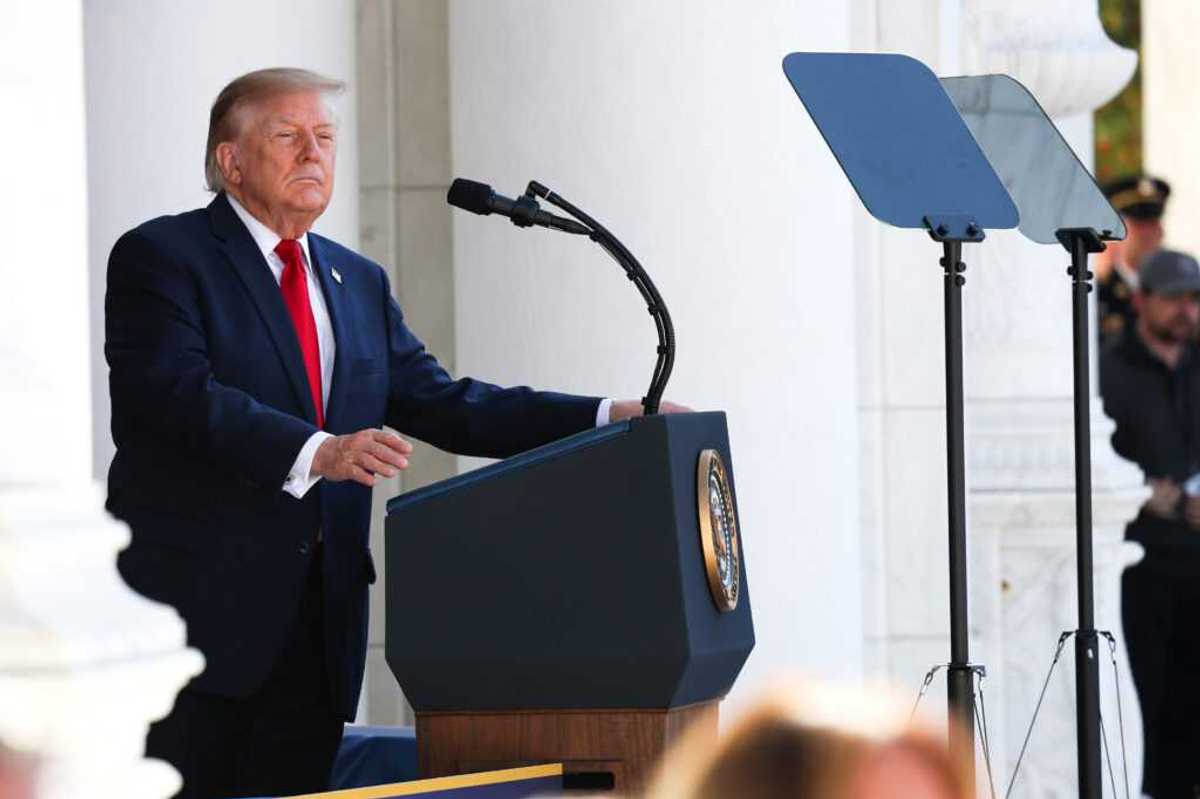
The federal response to the COVID-19 pandemic under Donald Trump (who lost the 2016 popular vote by 2.8 million votes) is widely cited by political scientists as a profound failure of intergovernmental cooperation.
Pitting States Against Each Other: The Trump administration explicitly rejected a unified federal distribution strategy for life-saving medical supplies. Stating that the federal government was not a "shipping clerk," the administration forced state governors to bid against one another—and against the federal government itself—on the open market for Personal Protective Equipment (PPE) and ventilators. This approach, termed "corona-federalism," effectively “blames the states for the failures of the federal government under President Trump” while abandoning a quintessential national security responsibility.
Conditioning Aid on Partisan Loyalty: The administration leveraged federal emergency reserves as political capital rather than distributing them based on public health metrics. For example, when New York faced an acute crisis, federal relief was framed as a transaction. As observed during requests for ventilators, Trump noted, “It's a two-way street, they have to treat us well also,” implying that states had to offer political praise to receive federal assistance.
Conflicting Assertions of Power: The executive oscillated chaotically between claiming absolute federal supremacy and dodging accountability. At one point, Trump asserted he held "total authority" over state lockdown rollbacks, only to pivot days later to a laissez-faire stance that left states entirely responsible for testing and mitigation. This created a fragmented, hyper-partisan response that crippled national public health efforts.
George W. Bush (2000 Election) Judicial Subversion of State Sovereignty
George W. Bush secured the presidency in 2000 despite losing the popular vote to Al Gore, a victory ultimately sealed by the landmark Supreme Court case Bush v. Gore.
The Subversion of State Courts: In Bush v. Gore, the conservative majority of the Supreme Court—traditionally staunch defenders of states' rights and judicial federalism—abruptly abandoned those principles. By issuing an emergency stay to halt the manual recount ordered by the Florida Supreme Court, the U.S. Supreme Court effectively stripped a sovereign state of its constitutional right to interpret its own election laws and manage its own voting processes.
The Federalism Double Standard: Legal scholars frequently point to this event as a low point for federalism because the court's majority manipulated federal equal protection doctrines to intervene in a state matter. Critics argue that “the five majority justices abandoned the principles of federalism and respect for states' rights and state courts that they had long advocated” solely to deliver a politically expedient national outcome.
Rutherford B. Hayes (1876 Election) The Abandonment of Civil Rights
The 1876 election represents perhaps the most devastating failure of federalism in American history. Democrat Samuel Tilden won the popular vote by a clear margin (51% to 48%), but the Electoral College was deadlocked due to contested returns in three Southern states.
The Compromise of 1877: To resolve the crisis, a bipartisan congressional commission awarded the contested electoral votes to Republican Rutherford B. Hayes. In exchange, Hayes agreed to a backroom deal known as the Compromise of 1877, promising to withdraw all remaining federal troops from the Reconstruction-era South.
Enabling Jim Crow: This specific manipulation of the federal-state balance unraveled the protections established during Reconstruction. By removing federal military oversight, the executive branch capitulated to southern state governments under the guise of restoring "local self-government" (a core tenet of federalism). In reality, this abdication of federal authority “allowed white southerners to establish Jim Crow laws and traditions,” effectively disenfranchising millions of Black citizens for nearly a century. This stands as a stark historical example of federalism weaponized to sacrifice human rights for structural political appeasement.
The National Popular Vote Interstate Compact (NPVIC) is an agreement among U.S. states and the District of Columbia to award all their electoral votes to the presidential candidate who wins the overall popular vote nationwide.
The National Popular Vote interstate Compact (NPVIC) What It Is - Why It's Needed, YouTube video is summarized as, follows:
What It Is
The Mechanism: Participating states pass laws pledging their electoral votes to the winner of the national popular vote (the total number of individual votes cast across all 50 states and D.C.).
The Trigger: The compact does not change the U.S. Constitution. It stays inactive until enough states join to reach 270 electoral votes, the magic number required to win the presidency.
The Result: Once activated, it guarantees that the candidate who receives the most votes across the entire country wins the White House, without needing a constitutional amendment.
Current Status: As of August 31,2026, 18 states and Washington, D.C., representing 222 electoral votes, have enacted the compact, needing 48 more electoral votes to take effect.
Why It's Needed
Prevents Popular Vote Mismatches: Under the current Electoral College system, a candidate can win the national popular vote yet still lose the election (which happened in 1824, 1876, 1888, 2000, and 2016). Proponents argue this undermines the democratic principle that the candidate with the most votes should win.
Eliminates Swing State Focus: Currently, presidential campaigns focus almost entirely on a handful of tightly contested "battleground" states. Voters in safely "red" or "blue" states are largely ignored. The NPVIC ensures every vote in every state matters equally.
Encourages Higher Voter Turnout: When people feel their individual votes do not matter in a lopsided state, they may stay home. The compact gives every citizen a direct stake in the national total, boosting civic participation.
Hugh J. Campbell, Jr., CPA, is a Governance, Risk & Compliance (GRC) professional and a student of W. Edwards Deming, the American statistician often credited as the catalyst for the Japanese economic miracle after WWII.