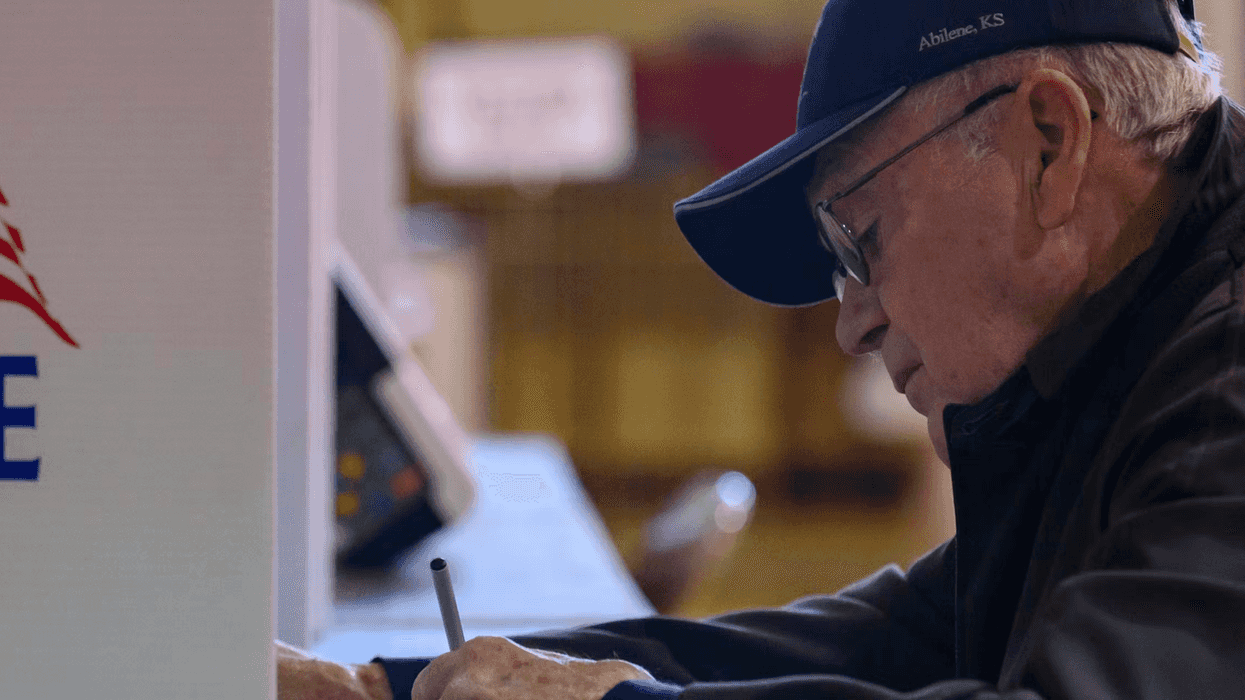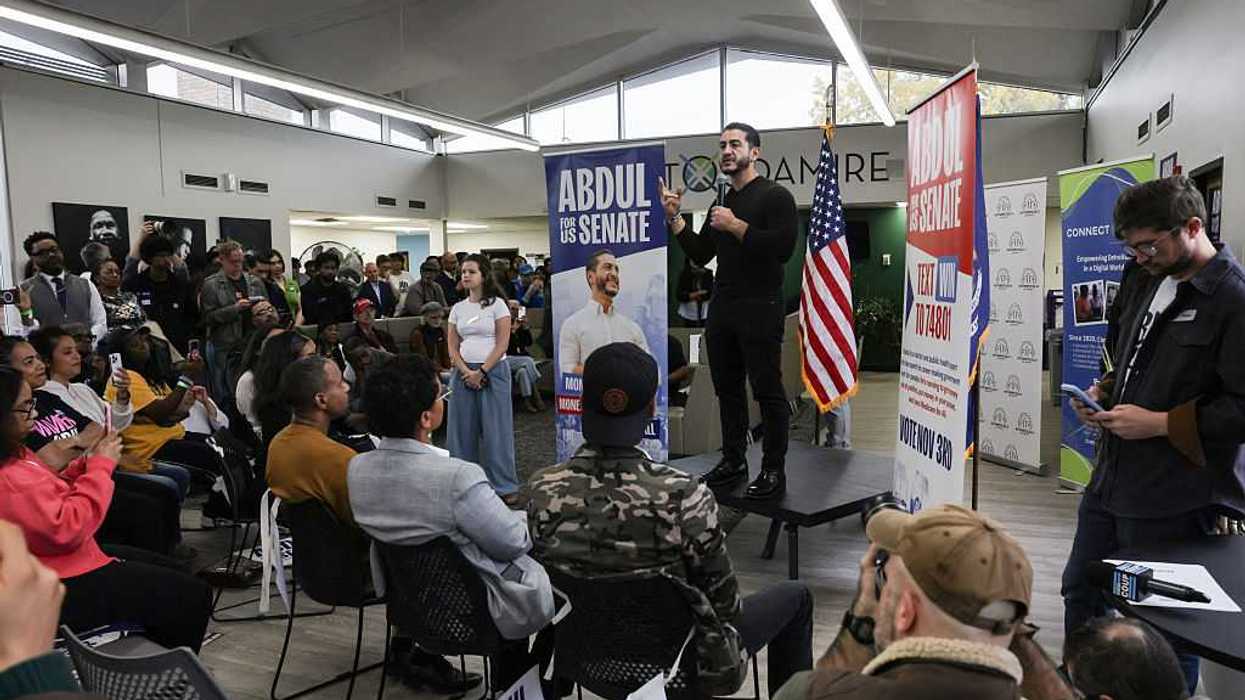
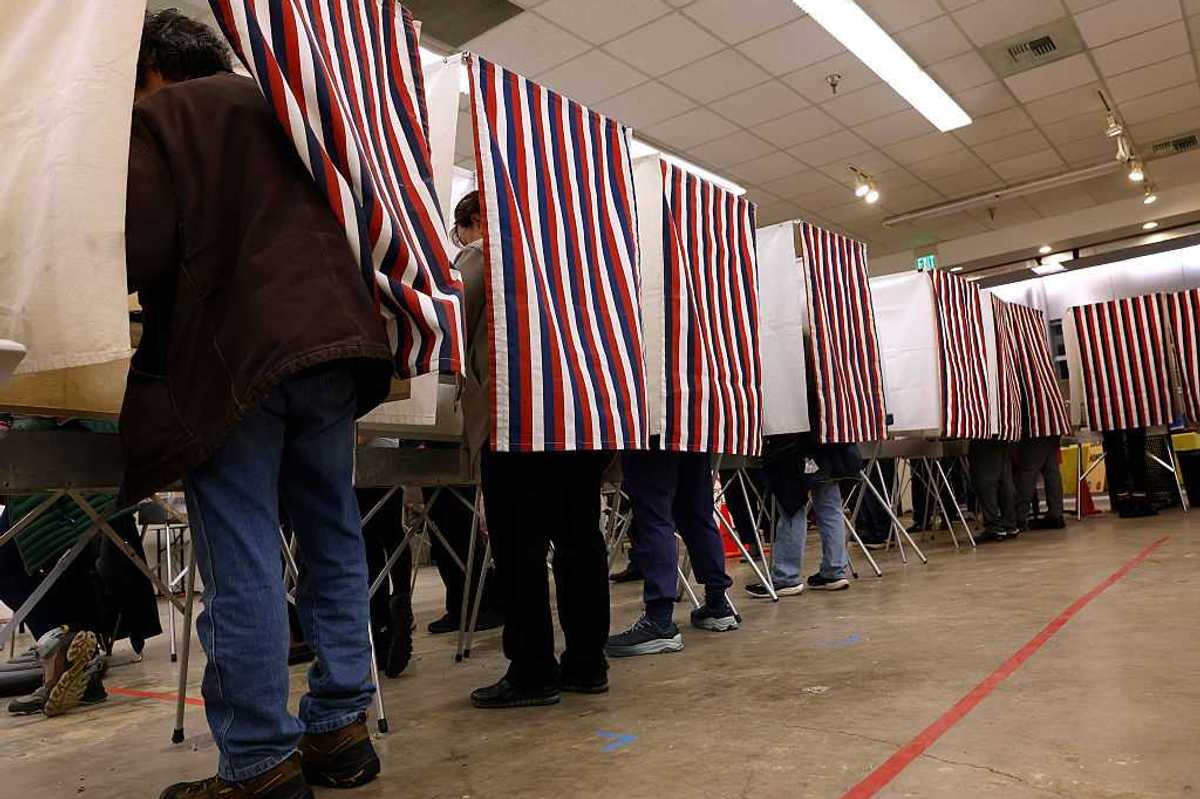

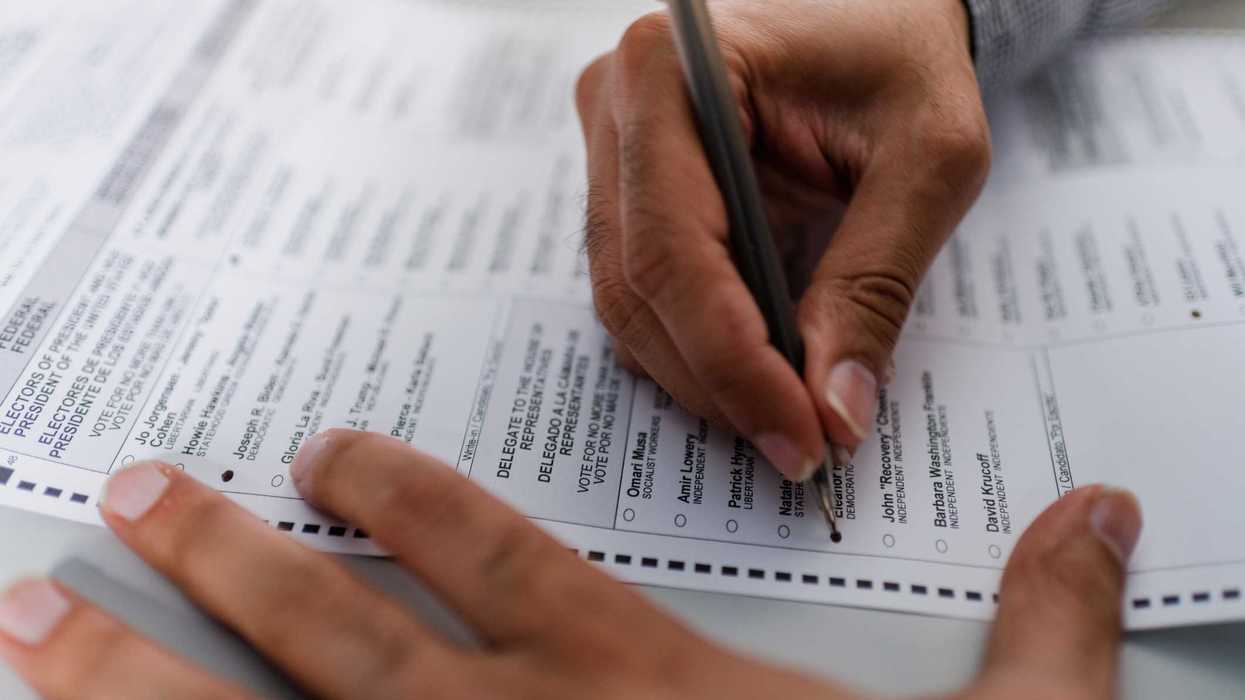

Recently, while watching ABC's This Week, I listened as Martha Raddatz traveled from Alaska to Maine, speaking with voters and candidates ahead of the midterm elections. During the segment, she used a word that has become familiar in our political vocabulary: unprecedented.
It caught my attention because I had heard it so often. Even as voters spoke, I found myself dividing my attention between their stories and that word.
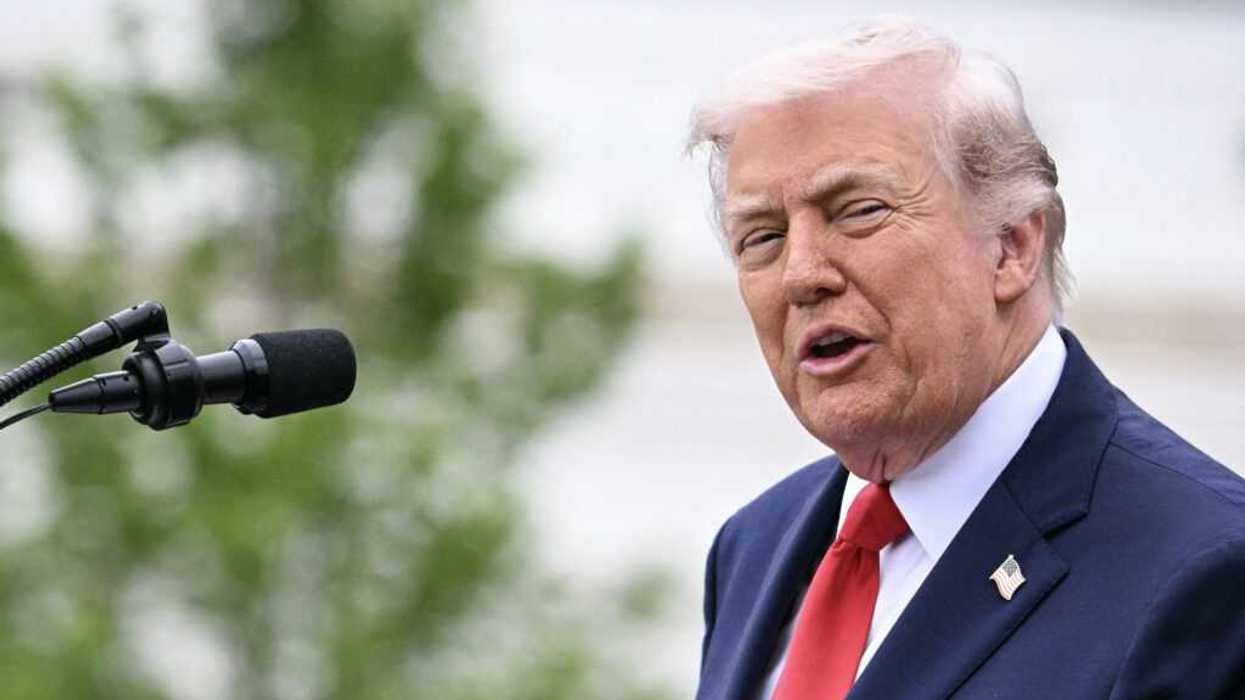
Across both Trump administrations, I have heard unprecedented used to describe his approach to governing. Whether we agree or disagree, the word suggests a departure from what came before.
The more I reflected on this word, the more curious I became about whether it tells us enough about the direction of our democracy. Are we moving toward a more perfect union, or witnessing actions that push the limits of governance beyond what our democracy was designed to withstand?
And who gets to help determine the answer?
Our history is filled with moments that had no precedent. Some revealed the worst of our nature; others showed our capacity to lean into our better angels. But unprecedented only tells us something is different, not whether it is helpful, harmful, or sustainable.
Perhaps the more important question is what happens when unprecedented actions become accepted ways of governing—and whether what replaces the familiar is necessarily better than what came before.
Conversations about tariffs, the economy, military actions, and presidential authority often fall along partisan lines. Commentators help us understand the decisions and political disagreements. But what happens after the headlines fade?
Much of my academic career has focused on understanding public policy beyond political debate. My work in public health has deepened my interest in how government decisions are experienced in the everyday lives of people and communities. Perhaps that is why I think about what happens long after a decision is announced.
What seems extraordinary today can quietly become familiar, influencing what future administrations believe they can do and what citizens come to expect or accept.
Consider the Social Security Act of 1935 and the GI Bill of 1944. Both emerged during periods of national change and helped establish new expectations about what the federal government could provide.
These policies opened doors for millions of Americans while leaving others outside. The original Social Security program excluded agricultural and domestic workers from its old-age insurance protections, disproportionately affecting Black workers. The GI Bill offered benefits to eligible veterans, but discrimination in housing, lending, and education limited opportunities for many Black veterans.
These examples don't diminish either policy's importance. They remind us that even decisions intended to expand opportunity can leave people behind.
Progress is not always experienced equally. What becomes familiar is not only the policy itself, but how its benefits are made available—or denied.
Our responsibility to examine government decisions should not depend solely on whether we supported those decisions in the first place.
Not every unusual decision establishes a legal precedent. But decisions can change expectations about what government should do, what authority leaders may exercise, and what citizens are willing to accept.
This is where political commentary meets lived experience.
To some, tariffs are tools of economic policy. To others, they may mean higher costs for households, businesses, workers, and communities. Government decisions can have a domino effect, creating burdens for some while benefiting others.
Yet much of our political conversation focuses on presidents, Congress, courts, and political parties. We spend considerable time debating what elected officials can or should do, but less time discussing the role of citizens in determining what happens next.
We are not simply spectators sitting in an arena observing political sport between elected actors.
We contribute to this nation's economic, social, and political life. We live with the consequences of decisions made in our name. Our place in democracy should not depend on wealth, connections, credentials, or proximity to those in office.
We have a right to choose who governs, and our civic engagement must extend to shaping how we are governed.
That belief rests on a principle I have come to see as essential: Democracy requires both meaningful inclusion by institutions and ongoing participation by the people they govern.
Having the right to participate in democracy does not always mean having a meaningful opportunity to influence it. Participation should mean more than being invited into a conversation. It should also mean having opportunities to influence the decisions that emerge from it.
Institutions have a responsibility to make participation possible, especially for communities historically excluded from decisions affecting their lives.
Citizens also have a responsibility to remain engaged beyond elections: staying informed, asking questions, organizing around community concerns, participating in public discussions, and holding the government accountable.
But we cannot place the entire burden on individuals while ignoring barriers to participation. Nor can we assume institutions will remain responsive without public engagement.
Power is not distributed equally. Having less power, however, should not mean having less claim to democratic belonging.
Elections are essential, but they should not be the only moments when citizens influence the government's direction. Between elections, policies are implemented, authority is exercised, and decisions begin shaping what future generations may consider normal.
If today's decisions shape tomorrow's expectations, shouldn't citizens help determine which expectations become part of our future?
Would we accept the same exercise of power from a political party we oppose? Whose experiences inform government decisions, and whose are missing?
These questions matter regardless of political affiliation.
I keep returning to unprecedented because it alerts us when something departs from what we've come to expect. Yet I wonder whether we've become so accustomed to hearing it that we move on without examining what follows.
As a student of democracy, I recognize that our country's experiment is ever evolving. It requires continued examination of how we govern, whom our decisions serve, and whether our institutions remain responsive to the people they represent.
That responsibility cannot rest solely with elected officials, nor entirely with citizens trying to participate in systems that do not always make room for them.
The unprecedented may become familiar. It may even become an accepted way of governing. But whether those changes bring us closer to a more perfect union should not be determined by elected officials alone.
We have a right to choose who governs, but our place in democracy must also extend to determining how we are governed—and what comes next.
Randi McCray is the associate director of school community and culture at the Yale School of Public Health, where she works to build inclusive dialogue across differences, and a Public Voices fellow of The OpEd Project in partnership with Yale University.