Elon Musk spent an estimated $474 million trying to keep Congress Republican. On Wednesday morning, he joked that his “election-interfering space lasers didn’t work this time.” Neither did the money.
There will be plenty of hot takes about Democratic strategy this week. I don’t buy most of them. This election wasn’t won in a war room. It was won by Americans who are fed up with the Trump agenda. Roughly three-quarters of voters told exit pollsters they were dissatisfied with the direction of the country, and, for the first time in a long time, they had candidates worth believing in. That second part is what’s sticking with me.
In 2016, a lot of Democrats felt they didn’t get to choose Hillary Clinton. There was a real groundswell for Bernie Sanders, and many of his supporters felt the establishment chose for them. In 2020, the groundswell was back, and so was the feeling that the establishment won out. In 2024, voters never got a say in the nominee at all. Even a Harris adviser called it a “cardinal sin.” Three cycles in a row, a big chunk of the party felt like spectators at its own nomination.
Not this year. This year, communities picked their own.
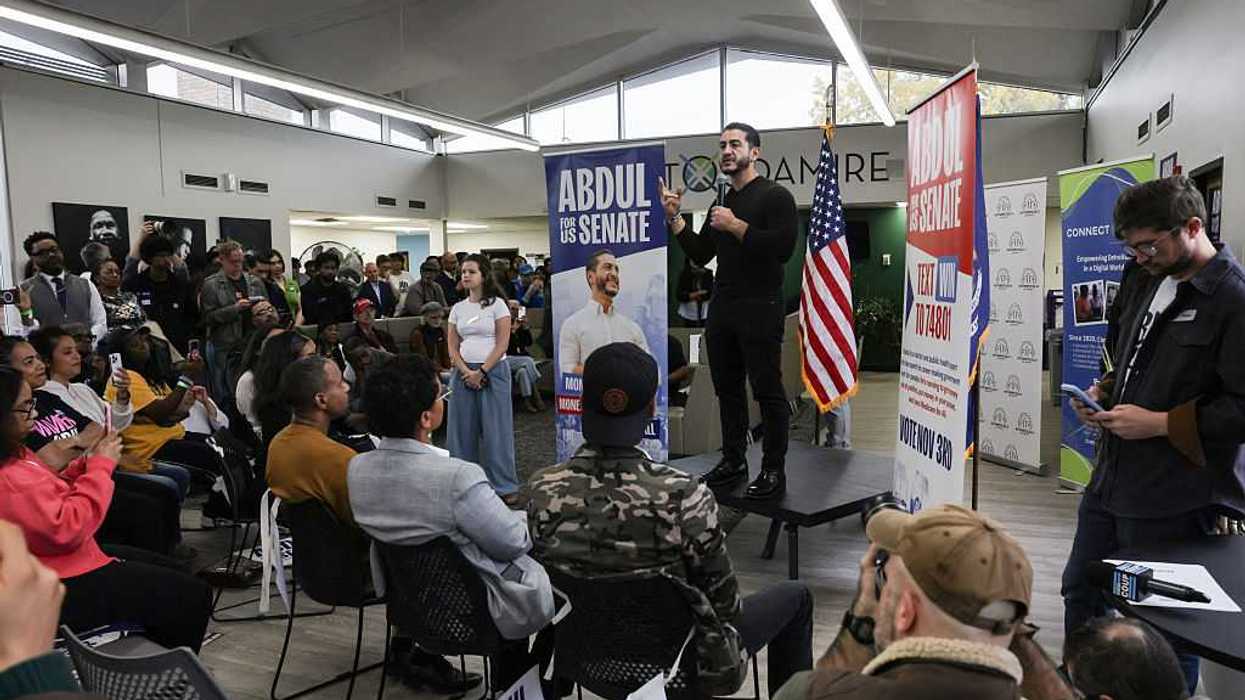
James Talarico, a former middle school teacher and seminary student, campaigned on commandments. His supporters wore “love thy neighbor” on their T-shirts. He became the first Democrat to win statewide in Texas since 1994. Abdul El-Sayed, an epidemiologist and former public health official, ran on “Medicare for All.” He survived $70 million in outside spending in his primary, then won Michigan’s Senate seat as the first Muslim ever elected to that chamber.
Rebecca Bennett, a mom of two who flew the same MH-60 helicopter I did, talked about the mission and about families. She beat Tom Kean Jr. 58 to 40. In Dayton, Kristina Knickerbocker, an Air Force veteran and neuro-oncology nurse practitioner who has watched cancer patients choose between medicine and groceries, ran on that experience and unseated a 12-term incumbent. Cait Conley, a fourth-generation Hudson Valley native and 16-year Army combat veteran, hammered Mike Lawler over a war in Iran that sent gas prices soaring, and she flipped his seat. And in the Central Valley, Randy Villegas, an auto shop owner and community college professor from a working-class immigrant family, ousted David Valadao on a promise of union jobs, affordable healthcare, and clean water. Outside groups spent more than $6 million against him. It didn’t matter. Villegas raised about $1.63 million—in donations of $200 or less.
None of these candidates sounded like they were reading from the same memo. That’s the point. They were themselves, and it made them the right messengers, with the right message, for the right places, at the right time.
Voters told us this was coming. In a Change Research poll this February, 67 percent of likely voters called a working-class background a green flag, and 55 percent said the same about military service. Coming from a political family? A red flag for 40 percent. Being a billionaire? A red flag for 52 percent. We are done with career politicians. We want people we trust, who know their communities, and who meet us where we are.
Which brings me back to Musk. Candidates in 106 House and Senate races had his support; by Wednesday morning, 44 had lost. His biggest bet, $158 million to the super PAC propping up Ken Paxton, ran straight into Talarico. CNBC found that 93 percent of his America PAC’s federal spending went to losing candidates. Money can buy a lot of ads, but it can’t buy the hearts of American voters (or, as the Beatles put it: “money can’t buy me love”).
Now for the fun part: 2028. It’s going to be a zoo. A jungle, really. Everyone and their mother is going to run for president. The short list is…not a short list. Will Jon Ossoff, who grew his support in Georgia this year, woo the whole country? Will AOC win over the centrists? Will a governor like Andy Beshear rise to the top? Senator Mark Kelly? And what about the Republicans? Will JD Vance be able to convince anyone at all to support him? Will Marco Rubio? Or will Republicans find some new non-MAGA heroes? Who knows?! That’s exactly how it should be.
I want all aspiring representatives to do what this year’s winners did: earn it. Show up. Listen. Debate the hard stuff in public. Then let voters choose. No coronations.
This year, we met some brand-new American heroes. Let’s meet some more. We don’t even have to wait; we can recruit our own candidates. Who do you trust where you live? Who do you go to for information? Who brings the community together? Who leads on the issues? Who delivers? It may not be a politician. It may be the neighbor who knows everyone’s name in town. It may be the student who spends every weekend volunteering. It may be the parent who maintains the community garden. Choose your fighter.
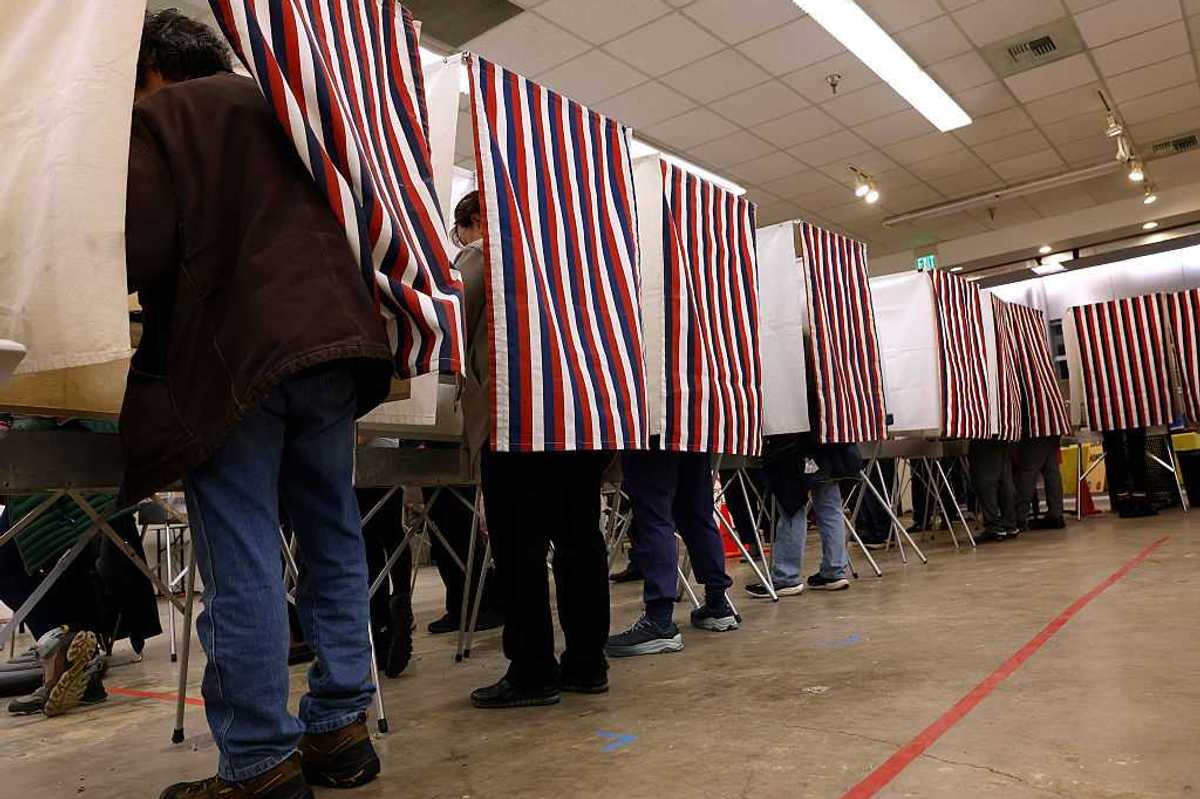
Americans deserve the chance to vote for candidates they actually believe in and not just the lesser of two evils. When the candidates are real, so is the enthusiasm. That’s how Americans end up knocking doors. That’s how civic engagement gets engaging. That’s how even the richest man on earth, when he tries to buy our elections, loses. That’s how democracy wins and the republic prevails.
Julie Roland was a Naval Officer for ten years, deploying to both the South China Sea and the Persian Gulf as a helicopter pilot before separating in June 2025 as a Lieutenant Commander. She has a law degree from the University of San Diego, a Master of Laws from Columbia University, and is a member of the Truman National Security Project.