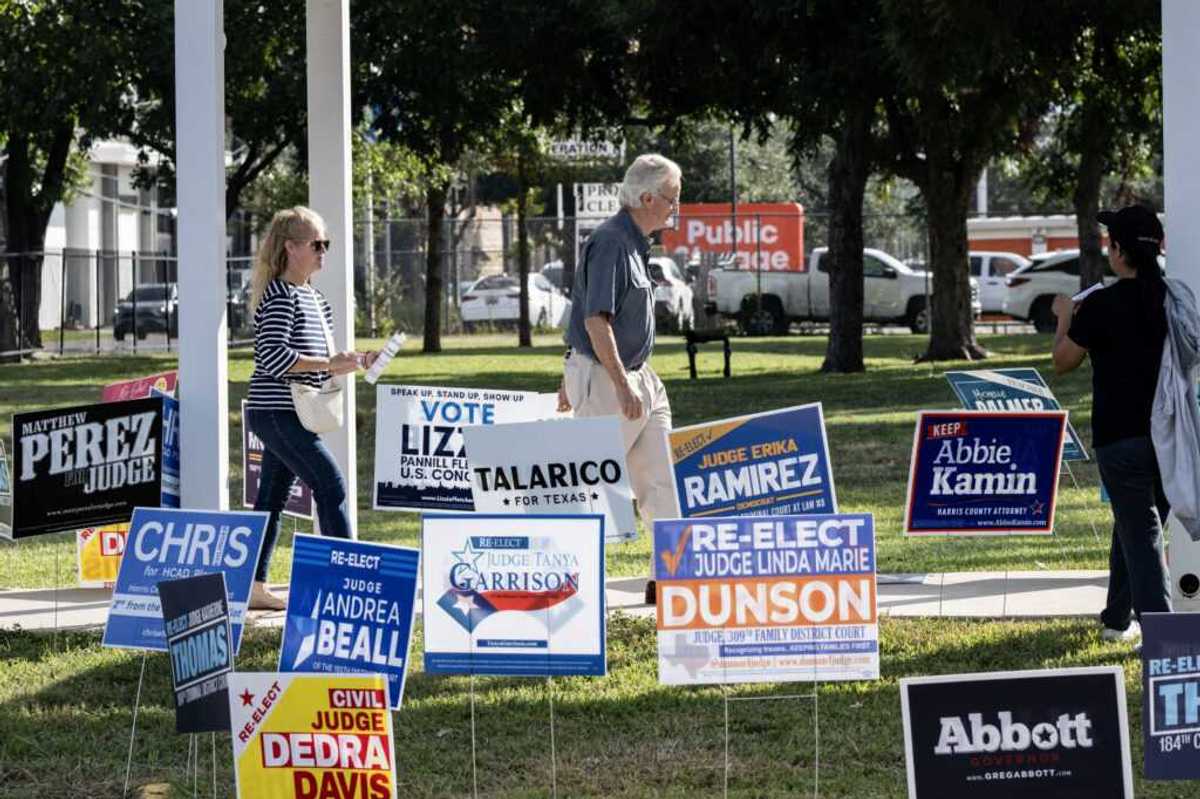

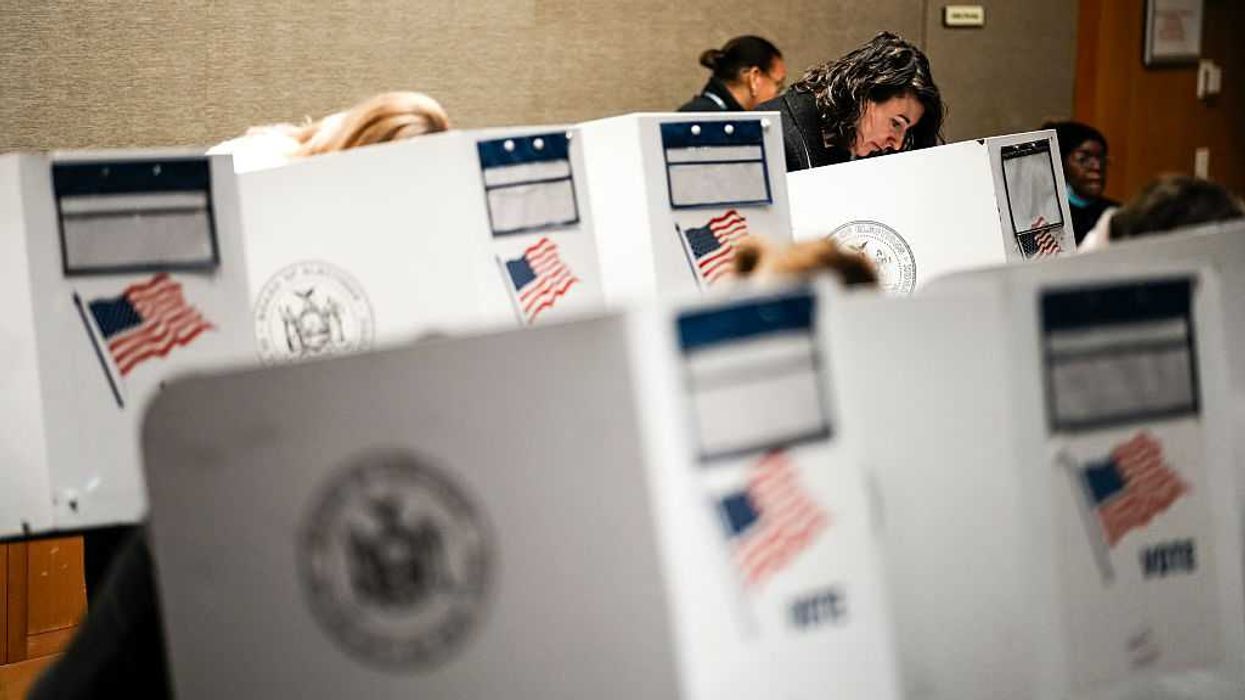
As Election Day looms, voter intimidation tactics abound. On Monday, Trump offered $1 million for voter fraud tips that lead to an arrest and conviction. Last week, 92 undelivered ballots turned up in a Seattle dumpster; election officials voided every one, mailed replacements, and called it mail theft. In Alaska, Trump’s Justice Department already sued to block certification of the Senate race–but only if the Republican senator loses (Trump boasted that he’s the one who told them to do it). So the system is rigged, but only if Republicans lose. These are incoherent arguments about election integrity that reveal the desperation of people afraid to lose their grip on power. Luckily, the world keeps offering hopeful examples of what happens to those people.
In Brazil’s election on Sunday, democracy prevailed. After losing the 2022 election, Jair Bolsonaro pushed false claims that the election was rigged. Then, in a January 6th–like episode, his supporters stormed Brazil’s Congress, Supreme Court, and presidential palace. Brazil’s electoral court banned Bolsonaro from office until 2030 for his attacks on the voting system, and its Supreme Court later sentenced him to 27 years for plotting a coup. Trump called him a “good man,” slapped a 50% tariff on the entire country in protest, and Bolsonaro’s son ran in his place, against President and Workers’ Party candidate Luiz Inácio Lula da Silva.
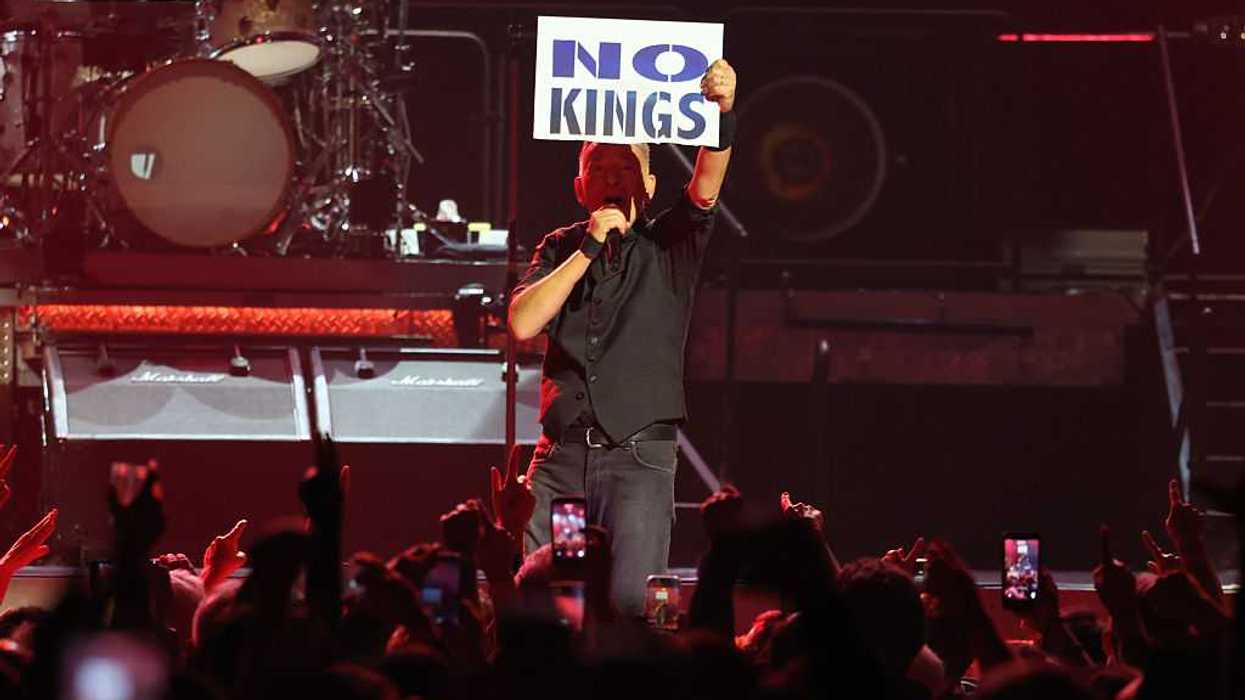
The algorithm picked a side. There were more than 1,100 reports of largely pro-Lula accounts being removed or throttled on Meta’s platforms, and Lula’s own ad account getting briefly suspended. Brazil’s electoral court had to give Meta 24 hours to prove it wasn’t playing favorites. Meta denied any favoritism, but few were convinced; hundreds protested outside Meta’s São Paulo headquarters. Americans have reason for doubt, too. During this month’s No Kings rallies, Meta disabled the No Kings Instagram account for more than four hours, blaming a bot-detection glitch.
With the algorithm working against him, after the first round, Lula was trailing his opponent by more than 2.2 million votes. But then the people organized. They found ways to navigate around shadowbans and technological interference, taking to the streets and to innovative digital organizing. Lula’s posts ended up drawing close to 111 million interactions compared to Bolsonaro’s 31 million. On Sunday, Lula won the runoff–by nearly 4.4 million votes.
The same day, Serbia flipped. After the concrete canopy of a newly renovated train station in Novi Sad collapsed in 2024, killing 16 people, students took to the streets…and never really left. The youth lobby doesn’t have deep pockets, but it has something money can’t buy: energy. Thanks to the highest voter turnout since Serbian independence, their youth-led party Student List won a majority. Aleksandar Vučić’s camp conceded. I’ve written before about why so many young people sit out elections, but Serbia just proved what happens when they don’t.
Earlier this year, community power won in Hungary, too. Viktor Orbán spent 16 years building a propaganda machine and empire, JD Vance flew in to campaign for him, and Trump promised American “economic might” only if Orbán’s party won, but grassroots politics prevailed. Orbán’s opponent, Péter Magyar, went town to town, village to village, for two years, including in Orbán’s rural base. Then, in April, Hungarians turned out in record numbers, winning Magyar’s party a two-thirds majority. Orbán conceded.
As we celebrate democratic resilience in Brazil, Serbia, and Hungary, we cannot overlook what is unfolding around the world. In Ecuador, for instance, the people face an erosion of democratic accountability under President Daniel Noboa, an American-born leader whose administration has increasingly embraced militarization. From allegations of grave human rights abuses committed during military operations to the expansion of executive authority and renewed openness to foreign military involvement, Noboa’s policies threaten the sovereignty and constitutional protections Ecuadorians have fought to secure for generations. The enforced disappearance and killing of four Afro-Ecuadorian children from Las Malvinas in December 2024, for which soldiers have since been sentenced, should haunt the conscience of every government that claims public security justifies extraordinary state power. Security without accountability does not make anyone safer. The world must keep watching, even outside of election season.
Defending democracy cannot be a matter of geography or political convenience. We have an obligation to recognize authoritarian tendencies wherever they emerge, including among governments that enjoy Washington’s favor. And democracy requires more than defeating authoritarianism at the ballot box. It demands an informed, organized, and vigilant public willing to defend civil liberties, human dignity, and national self-determination long after the votes are counted. Our solidarity must also cross borders because the threats to democracy already do.
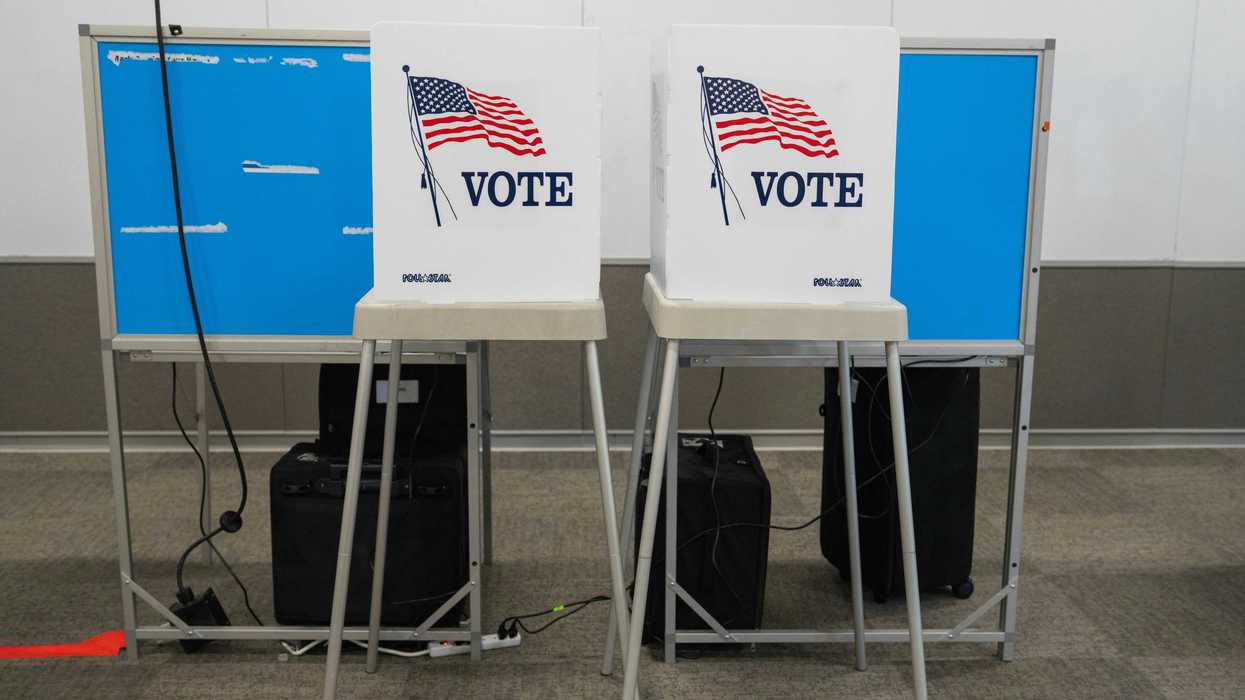
The first step is to vote. Election Day is November 3. Make a plan, and if you have a few hours, volunteer to protect the vote. Countries around the world continue to show up for democracy. Now it’s our turn.
Julie Roland was a Naval Officer for ten years, deploying to both the South China Sea and the Persian Gulf as a helicopter pilot before separating in June 2025 as a Lieutenant Commander. She has a law degree from the University of San Diego, a Master of Laws from Columbia University, and is a member of the Truman National Security Project.
Marcelo "Marco" Ramirez is a Democratic political strategist, former UFCW organizer, and University of Washington graduate specializing in Latin American affairs and human rights. The son of Ecuadorian immigrants, he currently leads communications & community engagement for San Diego County Democrats.