

Nearly a decade ago, I decided to place a bet.
As political division grew, trust in institutions declined, and Americans increasingly couldn't talk across differences, I became convinced that addressing those challenges required more than new laws, new leaders, or new political movements. It required something deeper. We needed to cultivate a generation of citizens capable of practicing the habits that healthy self-government depends on.
That conviction led me to partner with my alma mater, Penn State University, and the McCourtney Institute for Democracy to launch the Nevins Democracy Leaders Program.
From the beginning, we never intended to teach students about politics. Countless ways already exist to learn about elections, public policy, and government. The objective was to help students learn to engage with one another. We wanted young people to become better listeners, more thoughtful thinkers, and more effective collaborators. We wanted them to develop the capacity to work with those who see the world differently while staying true to their own principles. We hoped a new generation of thoughtful, committed leaders would use these tools to become the leaders our country needs.
At the heart of the program has always been a simple guiding philosophy: Civility. Critical Thinking. Respect. Those three words are more than a slogan. They capture the qualities that make democratic self-government possible.
Democracy can survive disagreement. In fact, disagreement is one of its strengths. Democracy cannot survive losing our ability to engage with those disagreements constructively. When citizens stop listening, stop questioning their own assumptions, and stop respecting one another's humanity, self-government becomes increasingly difficult.
The Nevins Democracy Leaders Program was built on the belief that we can teach, practice, and strengthen these skills. It was also built on the belief that young people are eager for this kind of preparation.
Today, nearly a decade later, I'm more optimistic than ever. The reason is not a poll, a study, or a political development. The reason is the letters I receive from Nevins Fellows graduates.
In recent months, I have received messages from former fellows who have graduated and begun building their own careers and lives. Their notes are not filled with grand political accomplishments or impressive titles. Instead, they describe something far more important. They describe how their experiences as Democracy Leaders continue to shape how they approach life. They write about learning to listen before responding. They describe engaging with people who hold different political views without immediately assuming the worst. They talk about entering workplaces, communities, and graduate programs with a greater ability to collaborate, deliberate, and lead.
Again and again, I see evidence that the program's lessons didn't stay confined to the classroom. They became part of who these young leaders are, and that may be the most encouraging outcome possible. Too often, public conversations about young people focus on what they lack. We hear concerns about civic knowledge, social division, political disengagement, and declining trust. While those concerns may be justified, they tell only part of the story.
These letters tell a different story.
I see bright, thoughtful, and committed young people prepared to make a positive difference. I see individuals who understand that democracy is not merely a system of government but a set of relationships. I see future leaders who recognize that solving difficult problems requires both conviction and humility.
Most importantly, I see people who understand that citizenship entails responsibilities as well as rights.
Every generation faces a fundamental choice. We can either become cynical about the future or invest in it.
The fellows whose letters now sit on my desk remind me why I chose the second path.
When we invest in young people, we are not simply helping them succeed. We are strengthening the civic foundation on which our communities, institutions, and country ultimately depend. We are helping to cultivate citizens who can think critically, interact respectfully, and lead responsibly. Those qualities may not always make headlines. They do not produce viral moments or instant political victories. Yet they are precisely the qualities that healthy self-government requires.
If the last decade has taught us anything, it is that democracy is not self-executing. It depends on citizens who are willing and able to do the hard work of listening, learning, persuading, and cooperating. That is why I continue to believe so strongly in this effort.
Letters from former fellows remind us that the next generation is capable of far more than we sometimes give it credit for. They show that when young people have the opportunity to develop the habits of democratic leadership, many rise to the occasion.
Nearly ten years ago, I hoped a new generation of thoughtful, committed leaders would use these tools to become the leaders our country needs. Today, thanks to those former fellows' voices, that hope seems less like an aspiration and more like a reality in the making.
If you want reasons to believe in the future of American democracy, I can think of few better places than the young people preparing to lead it.
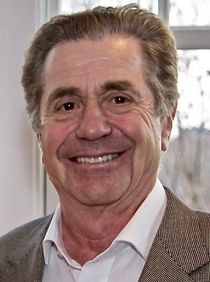
David Nevins is the publisher of The Fulcrum and co-founder and board chairman of the Bridge Alliance Education Fund.








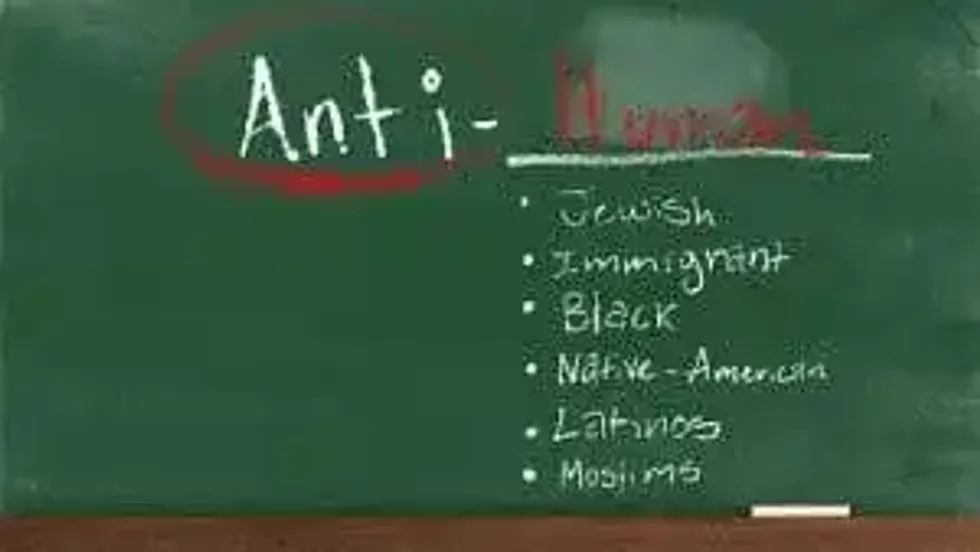 Illustration: Jessica A. Valencia
 A skyline overview of the agricultural beauty of Oxnard, Calif. (Credit: Jessica A. Valencia)
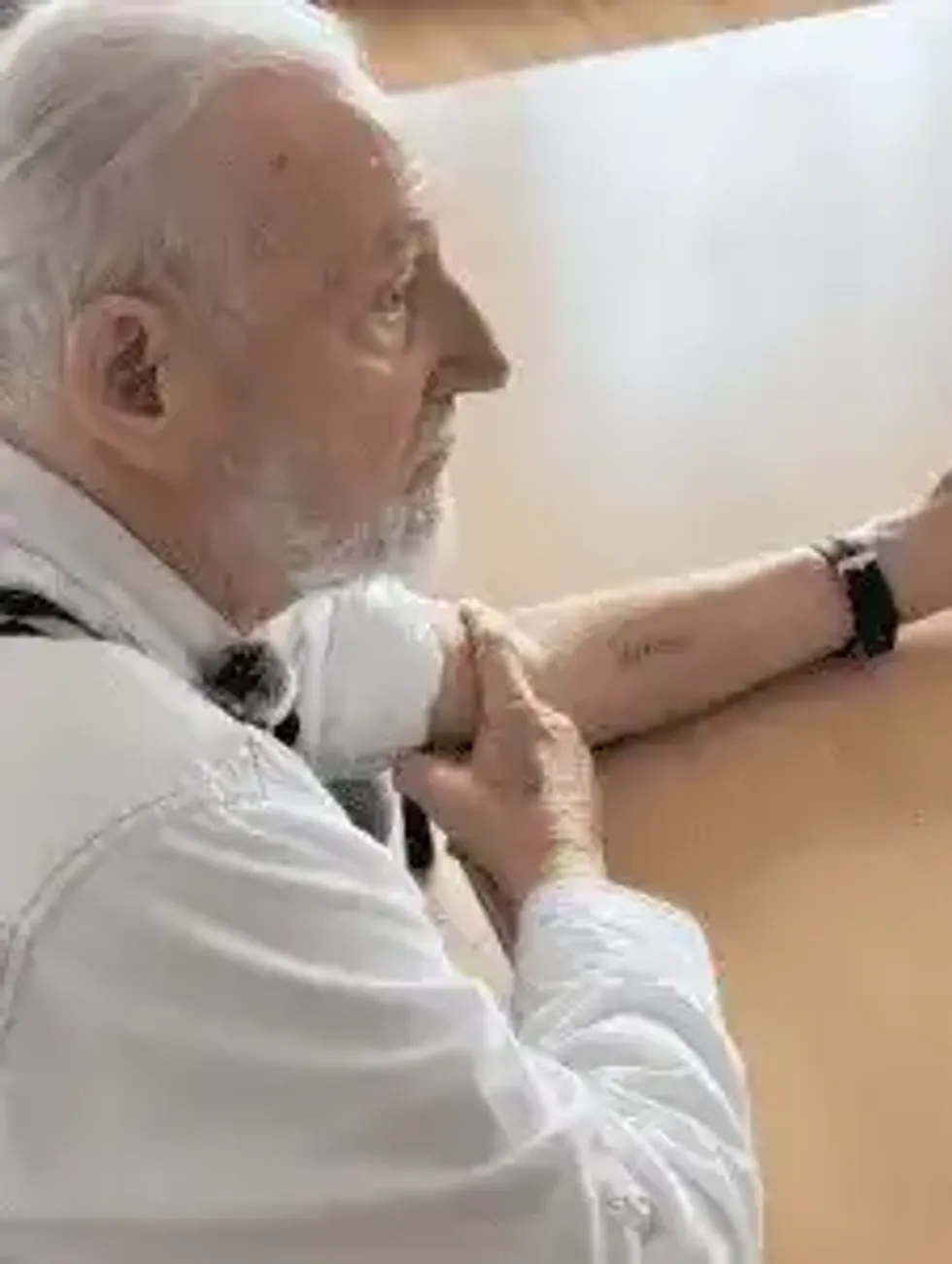 Bernard Offen shows off a tattoo reading “B-7815,” his identification number from Auschwitz-Birkenau.
 (Left) From left to right, Lilly Molina, Tadeo Cabrijo, Nicholas Hernandez, Bernard Offen, Jessica A. Valencia, Malory Shaw, and Ianis Soto meet and interview Offen. (Credit: Maria Morales, Fuente Latina)