




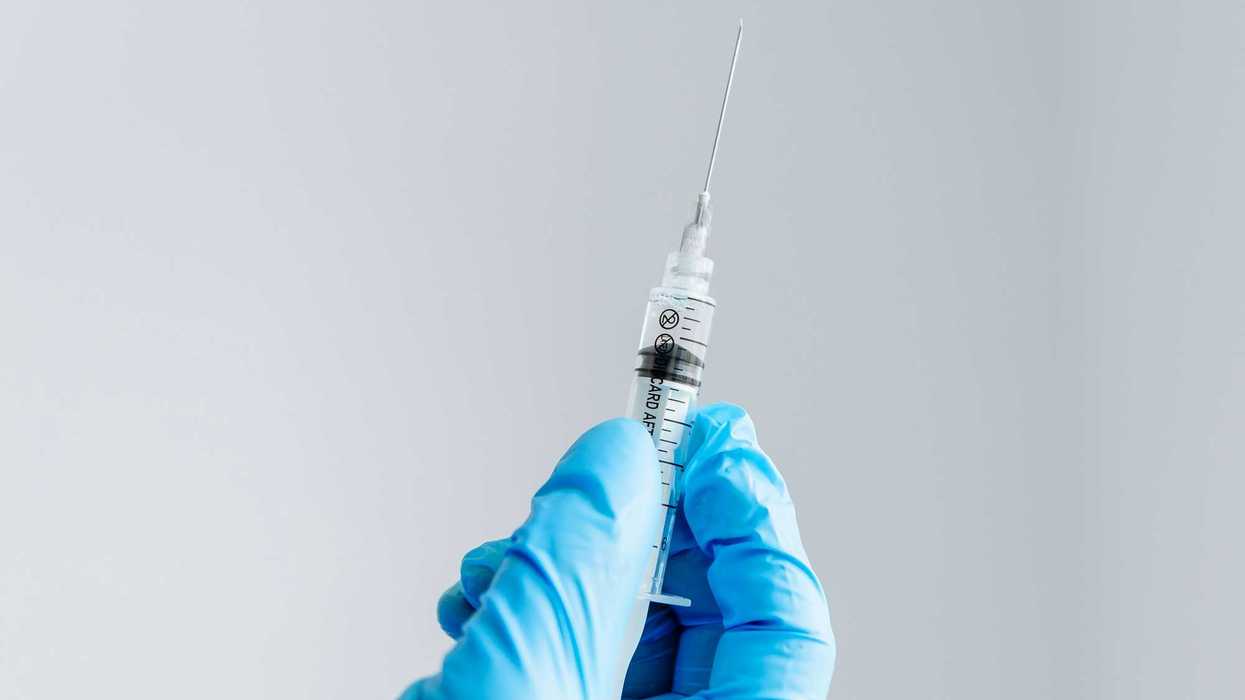
“Do you lick your needles when you inject?” This is one of the questions that I, an addiction medicine doctor, regularly ask my patients. The answer is often yes. Their reasons vary: checking needle patency, enacting an entrenched ritual, or, most poignantly, “cleaning” the needle.
I explain to my patients that licking introduces oral bacteria that can lead to life-altering complications, including sepsis, heart infections, paralysis, and death. Every day, I see the devastating complications that arise not just from inadequate access to sterile supplies but from a misunderstanding of how to reduce harm.
That misunderstanding extends all the way to the White House. Last summer, President Trump signed an executive order entitled “Ending Crime and Disorder on America’s Streets” that, among other things, ordered government agencies to stop funding “so-called ‘harm reduction’ or ‘safe consumption’ efforts that only facilitate illegal drug use and its attendant harm.” As a result, none of the $7.4 billion in federal funding to treat mental health and addiction can be spent on projects that include the words “harm reduction.”
The president’s order revealed a common, but in this case deadly, misunderstanding of harm reduction, a term used to describe a range of evidence-based practices that have been proven to reduce complications from substance use. Examples include needle exchanges, naloxone distribution, and providing medications that prevent HIV.
Because harm reduction does not always involve complete abstinence, some critics charge that these tactics encourage risky behavior. But study after study shows that rather than enabling drug use, harm reduction efforts keep people alive and provide a pathway to health and recovery. By meeting people where they are—not where we want them to be—these interventions reduce overdoses, connect people to addiction treatment, and decrease HIV rates.
For example, many of my patients started out by seeking free needle exchanges or a safe place to inject. After building trusting relationships with the staff, they felt comfortable beginning treatment for their substance use disorders. As for the common concern that overdose prevention centers lead to an increase in crime, studies have found that crime rates around these clinics either stay the same or go down.
Another example involves buprenorphine and methadone, two medications used to treat opioid use disorder that are sometimes considered to fall under the umbrella of harm reduction. Prescribed treatments like these dramatically reduce the rate of overdoses and deaths; for example, a study in JAMA found these medications are associated with a 76% reduction in overdose risk at 3 months.
Harm reduction saves money, too. Access to new needles can represent the difference between a healthy life and a lifetime of medical bills from complications of substance use, such as paralysis from a spinal infection. Unsanitary needles also cause heart valve infections, which on average cost almost $200,000 to treat. Buprenorphine treatment for opioid use disorder is associated with over $20,000 in healthcare savings per year per person.
As for HIV prevention drugs, a study calculated that just a 3.3% annual drop in coverage over the next 10 years in the US would result in so many new HIV infections that the estimated lifetime medical costs to treat them would be an astonishing $3.6 billion. With Donald Trump's goal of decreasing healthcare spending, investing in harm reduction is a cost-effective way to save taxpayer money.
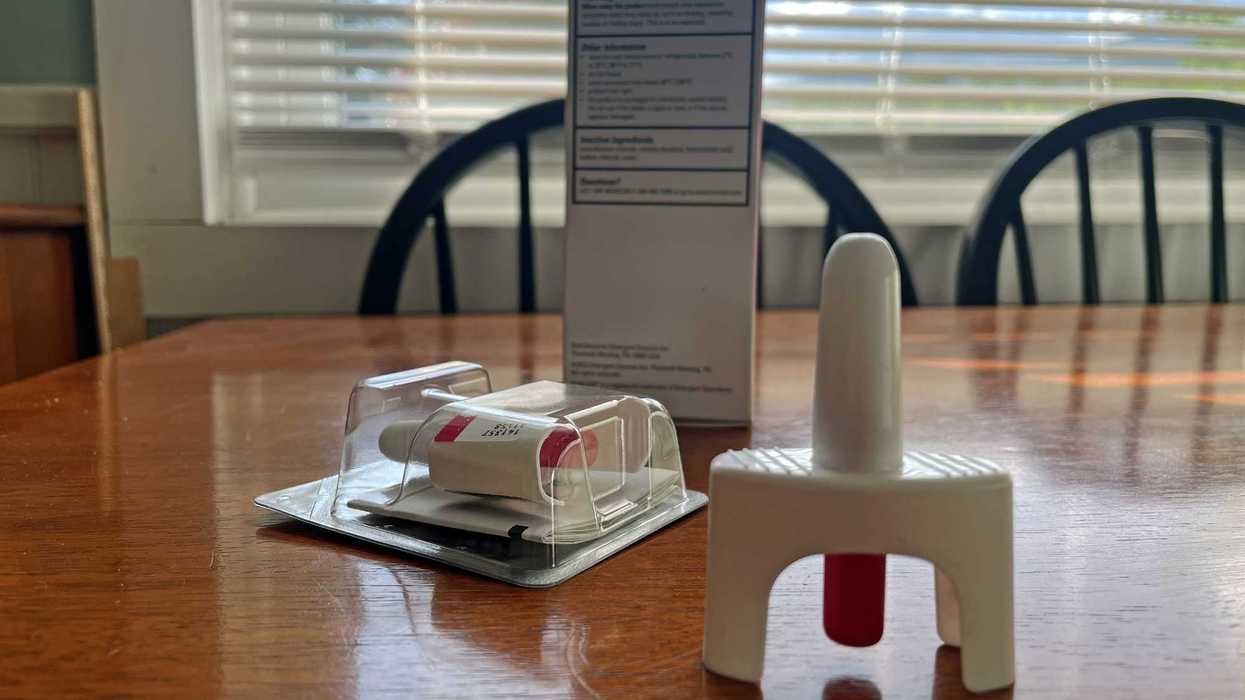
Even if you do not use drugs, the new cuts affect your ability to help those who do. Roughly 75% of annual overdose deaths in the United States involve opioids. Almost all of these deaths could have been prevented if naloxone had been administered in time. I often see EMS bring in a patient who’d stopped breathing from an overdose and survived only because they received naloxone from bystanders. But efforts to make naloxone more widely available are also at risk of losing funding because they focus on harm reduction.
Without harm reduction initiatives, many of my patients with substance use disorders would be dead. These patients come from all walks of life, but they all have benefited from extensively researched, evidence-based strategies that we now know reduce complications of substance use. It is a joy to see them achieve their treatment and larger life goals: becoming actively involved parents, business leaders, community volunteers, artists, and more.
I grieve for the senseless deaths these cuts will cause. States are scrambling to find funds to fill in the gaps, and I worry about the ability to make up for the loss of federal support.
In one area, I agree with President Trump: we should exclusively fund evidence-driven treatment options and research. I just wish this administration would review the scientific literature on the groundbreaking successes of harm reduction initiatives to understand why harm reduction should not be on the chopping block.
Dr. Cara Borelli, DO is an addiction medicine physician who trained at Icahn School of Medicine in New York City. She works on an inpatient addiction medicine consult service and teaches in New Haven, Connecticut. She is the co-editor-in-chief of the Journal of Child and Adolescent Substance Use. She can be found on Twitter/X @BorelliCara. She is a Public Voices Fellow at The OpEd Project. This opinion piece reflects her personal views.












The President Invited Iran to Bomb My Home