

I came to the United States from India in 1982. In Indian elections, I watched officials check voter identity and mark a voter’s finger with indelible ink. Party representatives observed the process. The system was imperfect, as every large democracy is, but it sent a simple message: casting one vote is a serious civic act, and the process should make that clear.
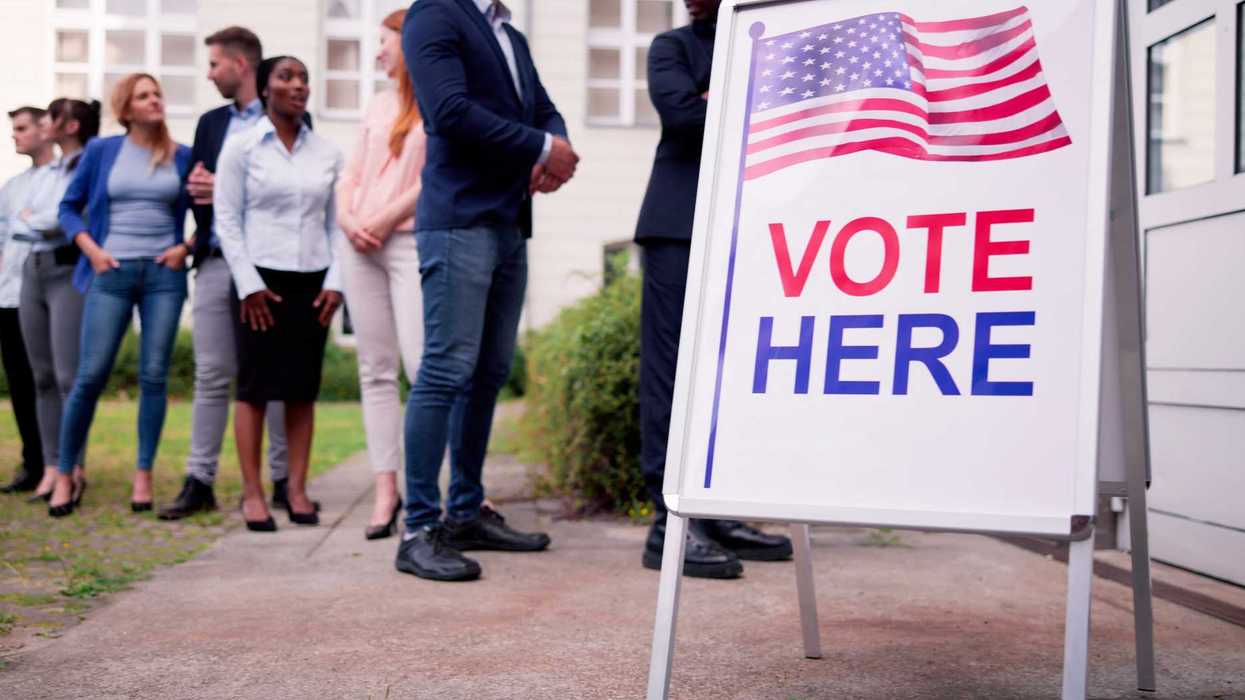
When I later became an American citizen and cast my first ballot, the experience felt very different. A poll worker found my name on a list and handed me a ballot. In my precinct, there was no photo identification check. I was surprised—not because I expected voting to be difficult, but because I expected a system as consequential as an election to have clear, visible safeguards.
America’s election debate has become trapped in a false choice. One side hears “security” and fears exclusion. The other hears “access” and fears weak controls. A durable democracy needs both. Eligible voters should be able to vote without needless burdens. At the same time, ballots should be handled through rules that are transparent, verifiable, and understandable before Election Day.
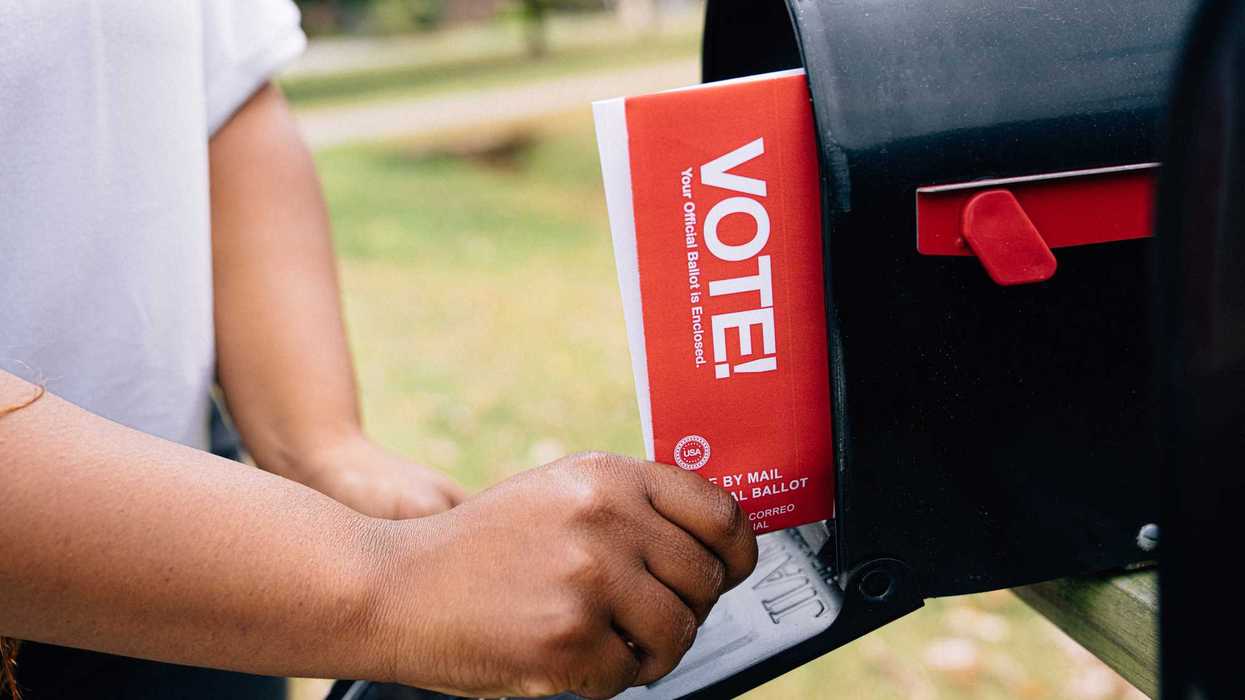
That is why the current debate over mail ballots and the U.S. Postal Service matters. USPS has proposed standards for federal-election mail ballots that would require official-election-mail markings, compatible envelope designs, and unique Intelligent Mail barcodes. The proposal would also create a process through which states supply information about voters who are to receive mail ballots. A unique barcode can help election offices and voters follow a ballot through the mail stream. It cannot decide who is eligible to vote, and it should not be presented as a substitute for state election administration. But tracking is a useful form of accountability.
The proposal is not settled law. It has faced court challenges, and courts have temporarily blocked or allowed parts of the government’s effort to proceed while litigation continues. That legal uncertainty is itself a reason for care. Election rules should not be imposed hurriedly, or changed so close to an election that administrators and voters cannot understand them.
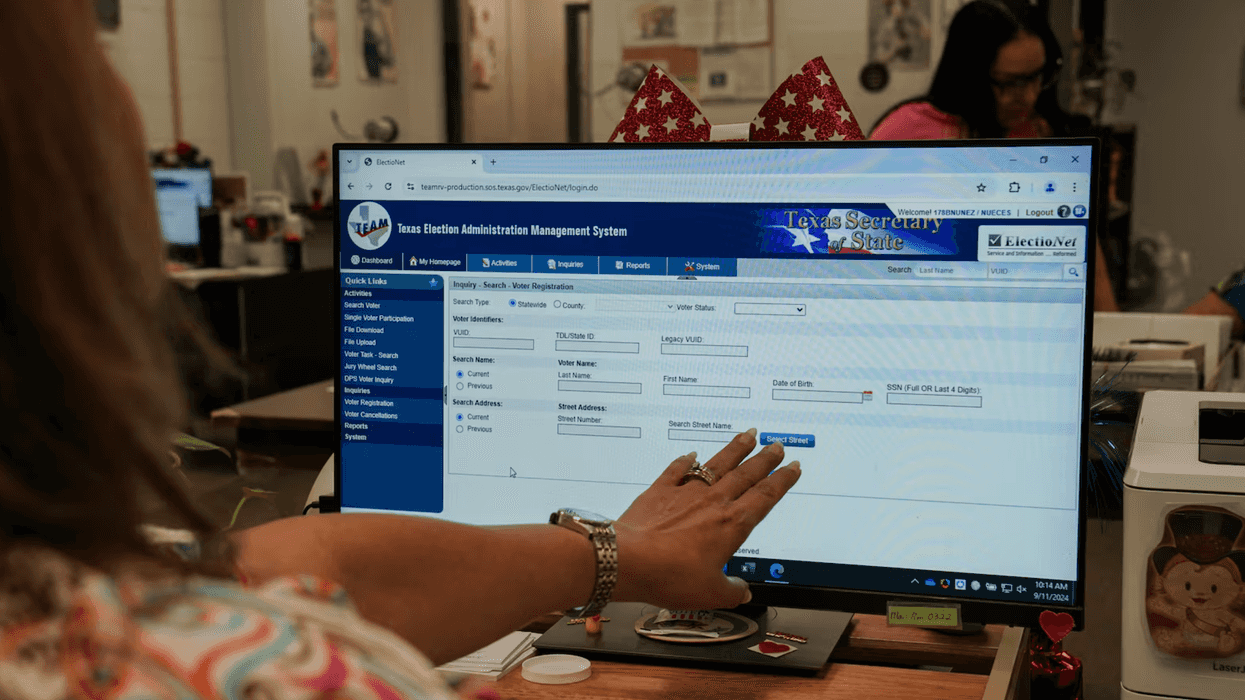
The sound principle is simpler than the partisan argument. Build verification at the front end, and build access into the same system. If a state requires identification, it should provide a free, practical way to obtain the required document. It should offer reasonable alternatives for voters who do not drive, have disabilities, live far from an issuing office, or lack a stable address. It should give the public clear instructions well before voting begins. And it should allow voters to correct a problem with a mail ballot when state law permits.
This is not merely a matter of optics. Trust is an economic asset. Families saving for retirement, small-business owners making investments, and workers planning their futures all depend on institutions that can resolve disputes lawfully and peacefully. A close election will always produce disagreement. But disagreement is less damaging when the public can see the rules, understand the chain of custody, and know that every eligible voter had a real opportunity to participate.
Americans do not need to agree on every rule of election administration. States have different histories and different systems. We do need to agree that the goals are legitimate: one eligible voter, one ballot; no eligible voter turned away by an avoidable barrier; and election procedures that are stable enough to earn public confidence.
The USPS proposal can add value if it is kept in that proper role. Better ballot tracking and clearer mail standards can help make the delivery process more visible. But Congress, states, election officials, postal workers, and courts should insist on safeguards for privacy, costs, timing, and voter access. Security without access fails democracy. Access without credible procedures weakens trust. The country needs both.
As the United States marks its 250th year, this should be an area for practical cooperation. Election security is not a partisan trophy. It is maintenance on a democratic system that every American relies on.
Meda Parameswara Reddy, Ph.D. is Director of the Reddy Center for Critical and Integrated Thinking. A former R&D executive holding 30 U.S. patents, he focuses on the analysis of human behavior, public health, and global affairs, drawing on an interdisciplinary background. He published in multiple RealClear platforms, Proc. Natl. Acad. Sci., The Humanist, AFRO American, South Asia Monitor (on editorial board, and host of a show), and others.
mpreddy54@yahoo.com, mpreddyinsights.com, https://lnkd.in/gn2zQJbs