




The last 11 years of electoral politics have plunged our nation into new lows: withdrawal and reentry into Middle Eastern conflicts, a politicized public health response during a pandemic, an attempted coup of the American government, and continual police brutality against people of color. Donald Trump’s existence on the political stage, in office or out, has held our nation hostage through repeated crises, leading us to the most divided time in our nation since the Civil War. The path forward for our young country doesn’t just require new ideas: we need to finally follow through on Reconstruction.
A blip in American history, Abraham Lincoln’s post-Civil War vision, called Reconstruction, was the proposed path forward for Southern reentry into American life. In exchange for loyalty to the Union and some guarantees of black civil protection, Lincoln prepared to readmit secessionist states into the Union, albeit with political restraints on numerous Confederate leaders.
Reconstruction was a bold stance by Lincoln, whose assassination prevented him from witnessing the civil rights gains made during the stage in American history he worked tirelessly to usher in. Under successive presidents Andrew Johnson and Ulysses S. Grant, the Reconstruction Era actualized much of Lincoln’s vision. In twelve years, “Radical Reconstruction” led to the ratification of the 13th, 14th, and 15th Amendments, saw former enslaved men and Union heroes such as Robert Smalls elected to state and federal office across the South, and culminated in the passage of the Civil Rights Act of 1875.
But its staying power was marred by racial tension, loosened restrictions on political participation for former Confederate leaders, and political strife inside both parties over Reconstruction’s impact on White Southerners. The election of Rutherford B. Hayes in the 1876 presidential election ended Reconstruction and paved the way for Jim Crow across the American South, undoing the initial steps needed for a young country to learn from its past.
It took almost 90 more years for America to progress closer to Reconstruction’s intent with the Civil Rights and Voting Rights legislation of the 1960’s, and it’s still evident today that our baby steps toward addressing equal rights weren’t enough.
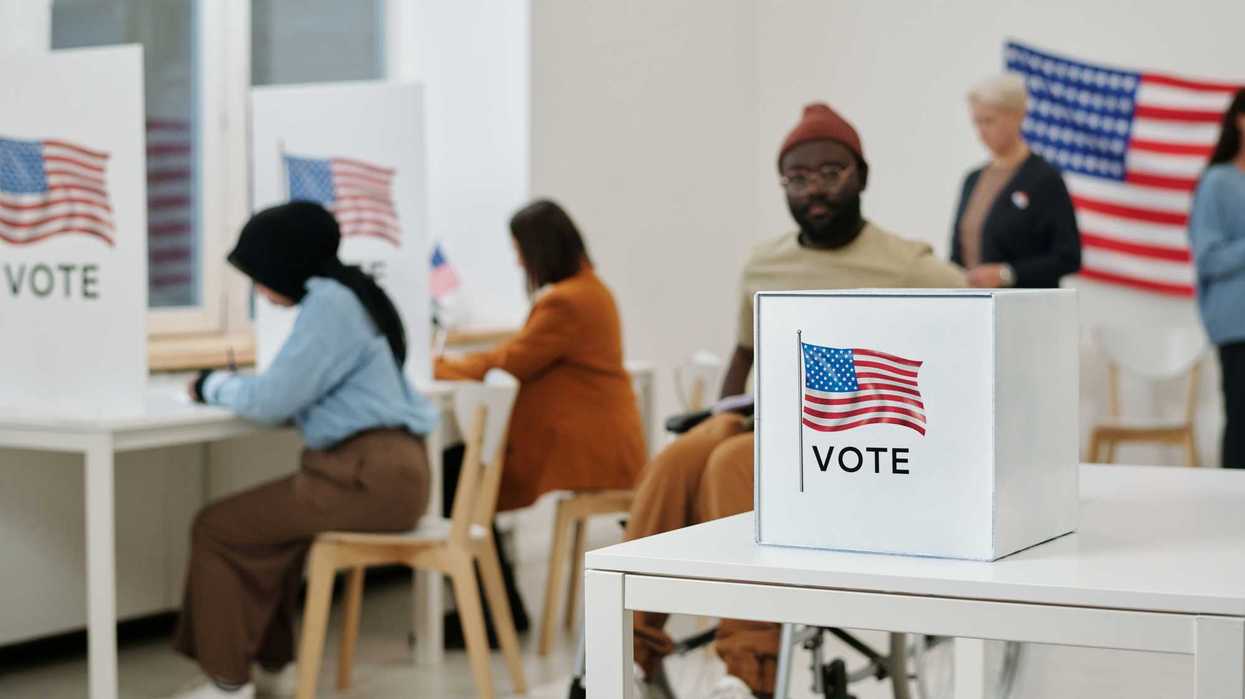
From the President’s petition to the Supreme Court to dismiss mail-in ballots to the gutting of the Voting Rights Act via the Louisiana v. Callais decision, 2026 alone has proven the need to aggressively expand voting rights for African Americans. America’s post-Trump era is merely 28 months away, and our nation can’t expect to brush off generations of wounds and move forward: we need to reflect on what we failed to accomplish post-Civil War and get back to the “Radical Reconstruction” our country still desperately needs.
It seems impossible to speculate on how to close the chapter on a period that officially ended 149 years ago, but the starting point is obvious: The John R. Lewis Voting Rights Advancement Act. A piece of legislation that would revitalize the Voting Rights Act of 1965, this bill would protect communities of color against racial gerrymandering and revamp protections for polling places and workers against any form of threat or violence.
The United States is at more than a crossroads; its soul is under attack. If we truly want to recover the soul of America, irrespective of party lines, then turning the clock on Reconstruction and delivering new voting rights legislation is the honest way forward.
Like President Rutherford B. Hayes, Donald Trump is just the current impediment to our path forward as a country. After President Trump leaves the White House in January 2029, Reconstruction could finally get us back on track and ensure that everyone, regardless of race, religion, or political affiliation, has an America whose laws treat them equally – fulfilling the original intent of Abraham Lincoln’s “Radical Reconstruction."
Seamus Love is a lawyer, political strategist, and founder of Shell Street Consulting