

Philanthropy is very good at responding to crises. It is less effective at preventing them.
If we want democracy to uphold, we must invest in the leaders who sustain it.
By democracy, we mean not only institutions and elections, but the everyday practice of civic engagement: people participating, organizing, speaking freely, and shaping public life without fear. And as the country approaches a consequential midterm election this November, the health of our democracy will be in the spotlight.
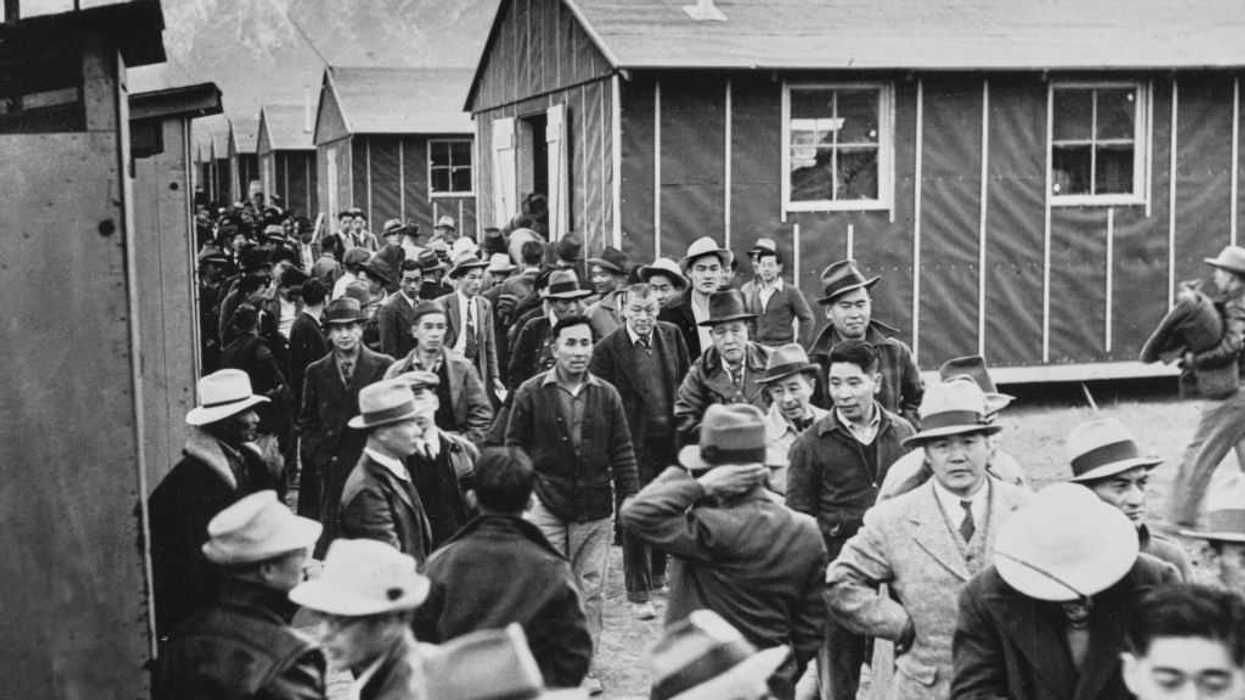
In recent years, when American democracy needed leadership most—when the rule of law was openly tested and fear became a common sentiment of civic life—many of the leaders we expected to hold the line did not. Across government, civil society, higher education, media and the private sector, institutions and individuals hesitated (or capitulated entirely) as authoritarian tactics moved from the fringes toward the governing center.
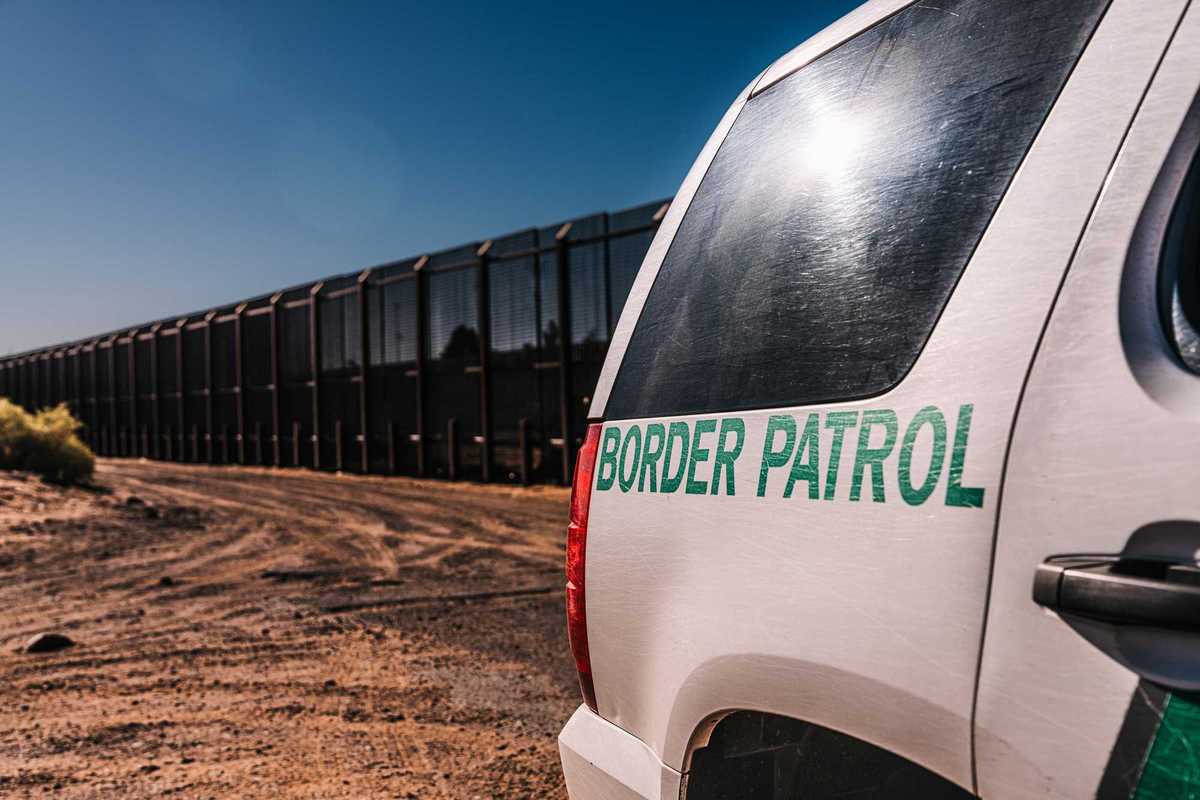
The consequences are visible far beyond Washington. Public life in the United States has become tense, conflict-charged, and, for many, unsafe. Neighbors arrive at school board meetings already convinced the other side is an enemy. Civil servants weigh whether doing their jobs will cost them their careers. Colleges discreetly change their language, course offerings, and priorities, lessening academic freedom to avoid scrutiny. Community organizations face harassment and intimidation. As immigration enforcement has intensified beyond our existing norms and due process has been abandoned, fear has increasingly become an everyday civic condition for many.
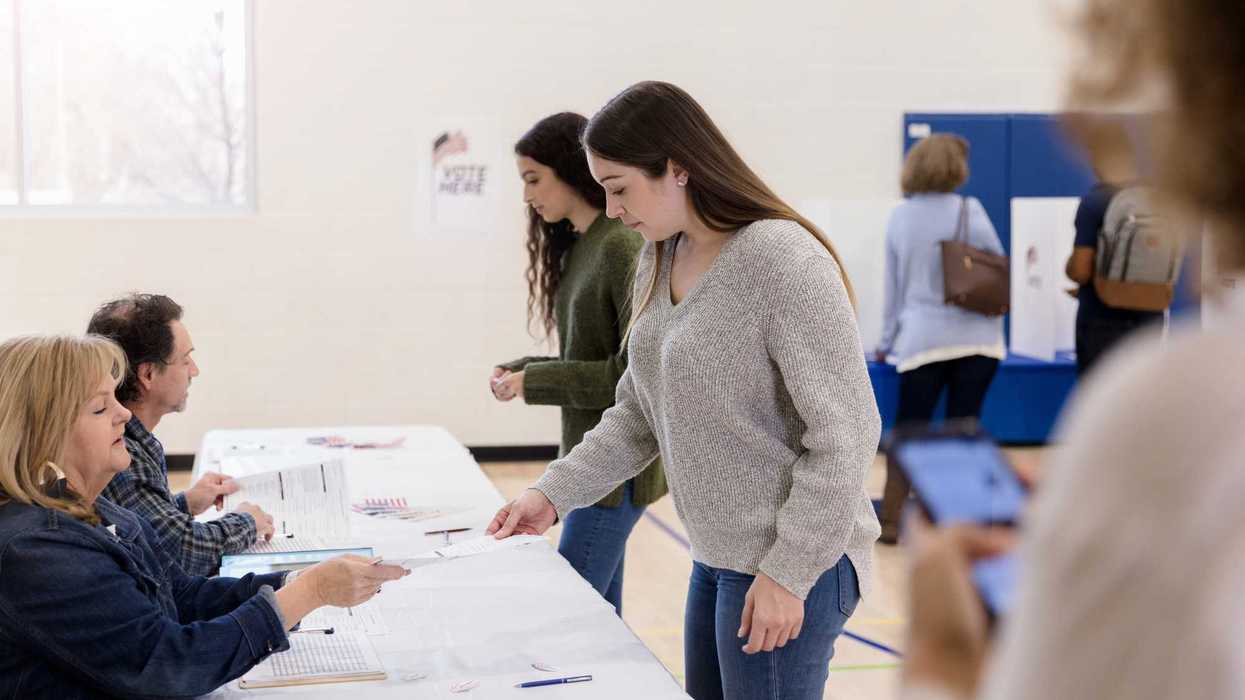
The approaching midterms will inevitably focus national attention on candidates, campaigns, polling, and who controls the levers of power in the government for the next two years. Those things have important ramifications. But elections alone cannot produce a healthy democracy. Democracy also depends on the people who lead between elections, those who work tirelessly in local government, school districts and university systems, non-profits, newsrooms, workplaces, and communities. When people are frightened and distrustful of the government bodies, they disengage. And when they disengage, democracy thins.
Recent research underscores both the depth of public distrust and the importance of civic action. In a September 2025 survey, the Pew Research Center found that only 17 percent of Americans trusted the federal government to do what is right always or most of the time—down from 73 percent in 1958, when the National Election Study first asked the question. That figure has not exceeded 30 percent since 2007. (pewresearch.org) The V-Dem Institute’s 2026 Democracy Report found that civil-society repression occurred in 68 percent of countries undergoing autocratization. The same report also identified active civil society, independent media, unified political opposition, and sustained nonviolent protest as the societal forces that drive democratic recovery. (v-dem.net) The lesson for philanthropy is clear: democracy cannot be defended by elected officials and formal institutions alone. It also requires leaders and networks capable of sustaining civic participation when those institutions come under pressure.
Philanthropy has responded to the fires, as it should. Legal defense, emergency aid, rapid-response organizing, and protection for targeted at-risk communities are urgent and necessary choices.
But philanthropy is structurally overinvested in crisis response and underinvested in the leadership that could prevent those crises and help reestablish democratic norms in their wake.
Philanthropy has an opportunity to do more. If we want a democratic future that is not permanently reactive, we cannot fund only what is immediately on fire. We cannot build resilient democracies through emergency funding cycles alone. We need to invest in the people who keep the governmental and civil society institutions essential to democratic life functioning, even under strain, and who can fortify them when they falter. This is the essence of true democratic leadership well beyond our current focus on elected officials, voting rights, etc.
Much democracy funding prioritizes immediate action and tangible results, leaving little room for sustained and longer-term investment in how people learn to lead. Yet leadership is learned. It requires skill to hold conflict without breaking, to work across deep differences without surrendering core values, to build trust, endure backlash, and to remain steady when incentives reward personal gain over responsibility.
The emergency funding pipeline for democracy mostly finds its way to institutions, but that approach misses a more basic question: who animates those institutions, and with what preparation? Courts, elections, watchdog groups, and journalism are essential, but they do not function on their own. They depend on people making daily decisions under pressure. Too often, those people are isolated, without peer networks, mentors, or spaces to steady themselves. Current events make clear that we have a shortage of support for capable people to equip them to lead at various levels of the systems that run democracy.
Philanthropy must treat leadership development as essential civic infrastructure. That means investing early in the people who will inherit today’s challenges: young organizers, public servants, technologists, and community leaders, many of whom are stepping up without the preparation or backing the moment requires.
It also means funding cohorts rather than lone heroes. Democracy does not survive through singular figures; it survives through networks of people across sectors and communities who share skills, commitments, and the courage that comes from not being alone. Leaders do their work with and through others, not in isolation.
The evidence increasingly suggests that leadership development is most effective when it builds relationships as well as individual skills. A 2017 peer-reviewed review in The Leadership Quarterly by Kristin Cullen-Lester, Cynthia Maupin, and Dorothy Carter made the case that leadership development should extend beyond individual knowledge and competencies to strengthen the social relationships that support both individual and collective leadership capacity. (sciencedirect.com) More recently, a 2026 study led by the Impact Fellowships Network and IREX examined 23 fellowship programs and gathered insights from 1,630 alumni and community partners across 141 countries. It found that peer learning was especially influential in supporting change at the individual and institutional levels, while access to networks and professional opportunities helped leaders overcome barriers such as limited resources and connections—and these were most strongly associated with change at the community and system levels. (irex.org) Together, these findings strengthen the case for investing in cohorts, mentoring, and the relationships through which leaders collaborate and sustain their work.
It requires investing in what is often overlooked: mentoring, coaching, relational skills, and the ability to navigate difficult conversations. These are not extras; they are what allow people to remain grounded when institutions are under strain.
And it requires measuring what matters over time. Leadership investments compound. Participants mentor others, build initiatives, enter public service, and carry democratic norms into spaces where they are most needed. The result is not just individuals with vital leadership skills, but stronger networks capable of responding to future challenges.
The future of American democracy will not be determined only by elections or court rulings. It will be shaped by whether we build a leadership bench that is deep enough, broad enough, and resilient enough to meet the years ahead.
Philanthropy can continue to fund the emergencies that arise from democratic erosion or it can rebalance its approach to also invest more boldly in the people who make democratic life possible in the first place.
Azadeh Khalili is the Executive Director of Humanity in Action, Inc.
Dr. Lisette Nieves is the President of Fund for the City of New York.






 Scenes from Favela Rocinha, Brazil - (R-L) Rows of brick homes, Hugo Balta on a motorcycle taxi, and steep, winding roadsHugo Balta