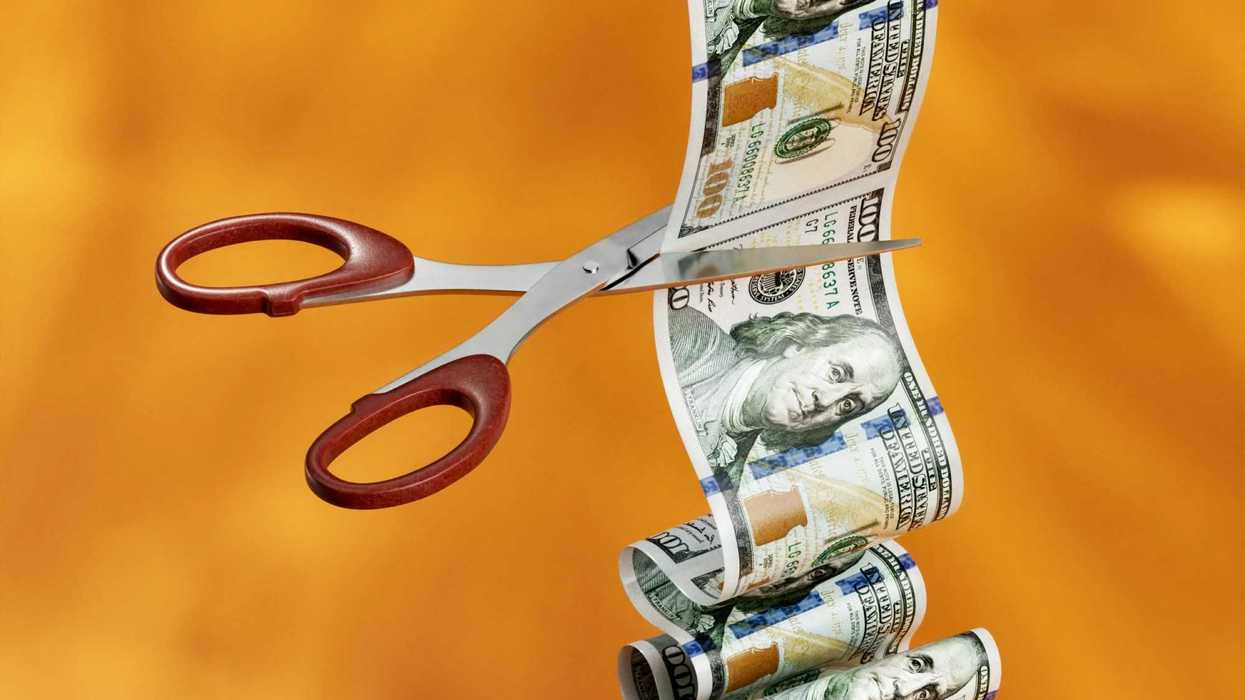
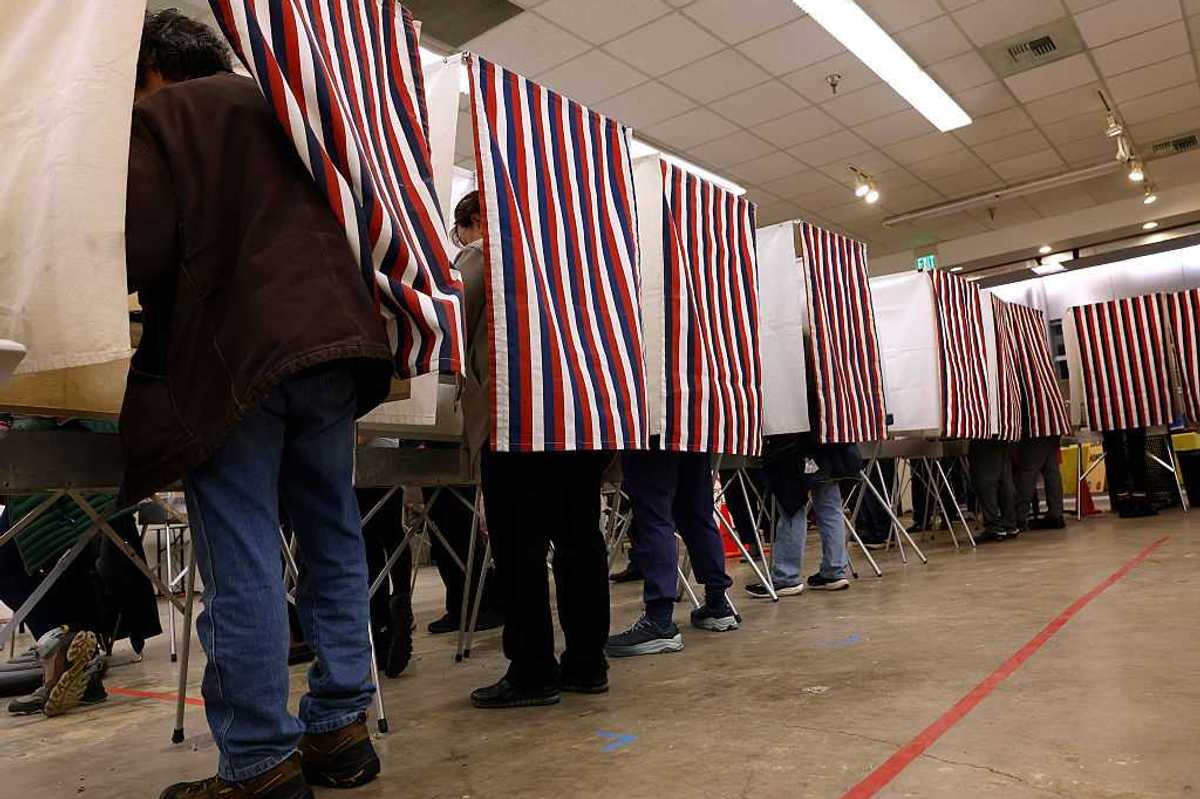

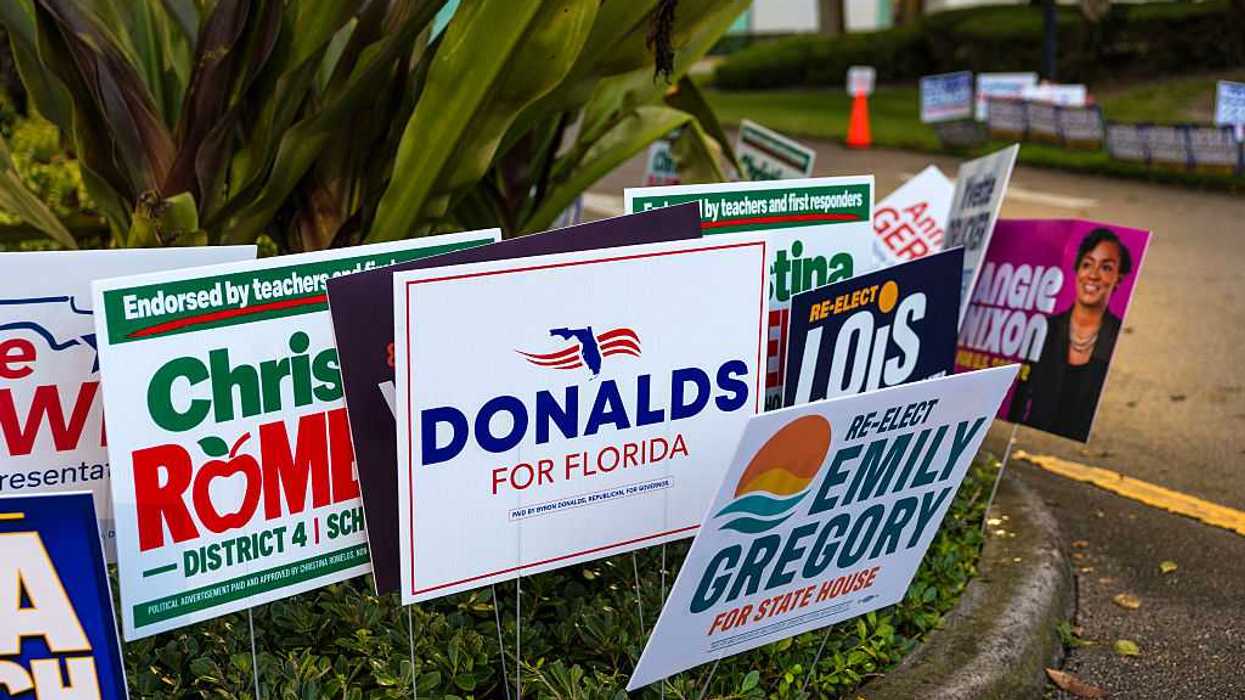
Political campaigns are expected to spend a record $11.6 billion on advertising this election cycle. For broadcasters, agencies, political consultants, and the firms flooding our phones with those pesky campaign texts (surely we can all agree they’re annoying!), business is booming. For politicians, their investment is helping them win support and gain power.
Yet too often, the return on that investment comes at a cost to the rest of the country.
Personal attacks are hardly new in politics, but record spending gives campaigns greater resources to amplify them. Humiliation draws attention, outrage generates engagement, and campaigns measure success by whether their messages damage an opponent. Far less consideration goes into what happens when Americans repeatedly watch their leaders ridicule and vilify one another.
Political leaders don’t just influence how Americans vote. They model how to engage with people who disagree with us. Their messages reach our televisions, social media feeds, and dinner tables. Those advertisements will eventually disappear, but the example those leaders set and the behaviors they reinforce remain.
Political advertising serves a legitimate and important purpose. Americans deserve to know where candidates stand, how their records hold up to public scrutiny, and hear competing visions for the future. There is a meaningful difference, however, between challenging someone’s ideas and attacking their character. The first invites Americans to think critically. The latter teaches us to see political opponents as people unworthy of respect.
When billions of dollars are spent amplifying personal attacks, we shouldn’t overlook the hidden costs passed to Americans watching, especially when so many are already struggling with the consequences of division.
New research this month suggests the stakes to this question are rising. An October survey released by Civic Pulse and the Andrew Carnegie Foundation found that 41% of local government officials believe political polarization is substantially harming their communities, up from roughly 30% in earlier surveys. Nearly seven in ten expect polarization to worsen as the midterms approach next month. The Pew Research Center found that 56% of Americans had stopped discussing political news with someone because of something that person said, up from 45% in 2024. Earlier this year, 53% of Americans told Pew Research that their fellow citizens are immoral and untrustworthy. Of the 25 democratic countries surveyed, the United States was the only country where a majority held that view. The only one.
The costs of division extend beyond strained personal relationships. When political opponents are repeatedly portrayed as enemies, it becomes harder for elected officials to work together without being accused of betrayal, leaders have less room to collaborate across the aisle, and those willing to negotiate risk being branded disloyal. The tactics used to win power can make it harder to govern once it's won.
With billions being spent on political advertising, there's reason to believe a different approach could benefit both the public and the politicians themselves.
In a randomized study of 8,700 Americans, Stanford researcher Dr. Robb Willer and colleagues tested advertisements featuring political leaders modeling respectful disagreement. Viewers expressed less partisan animosity and greater support for bipartisan cooperation. They also rated the participating governors more favorably, including among primary voters in both parties. Separate research has similarly suggested that positive political messaging can have a greater impact on Americans’ voting intentions.
That's a finding worth considering in an industry where every dollar is scrutinized for its political return. Respectful disagreement may not simply be good for the country. It may also be good politics.
That's the idea behind a series of bipartisan public service announcements we're producing at Disagree Better, a nonpartisan organization working to make constructive disagreement more visible. As political attacks dominate the airwaves this election season, Republican and Democratic mayors from across the country are appearing together to offer Americans a different example. Fort Worth Mayor Mattie Parker and Kansas City Mayor Quinton Lucas are among the leaders showing that they can hold different political beliefs without treating one another as enemies.
The messages aren't asking Americans to abandon their convictions or overlook real policy differences. They're demonstrating that leaders can stand firmly behind their beliefs while treating those across the aisle with dignity. And if that's the kind of leadership we want once an election is over, shouldn't we be encouraging more of it while campaigns are underway?
That starts with reconsidering what we reward. Before spending another dollar on personal attack, donors and campaign strategists should ask whether tearing down an opponent is really the best way to win Americans over. What if more of that money went toward helping candidates make their case, defend their ideas, and show how they would solve problems? The research suggests that respect and political success don’t have to be at odds.
The rest of us have power over these incentives, too. We say we want leaders who can work together, but we’re often quickest to click, share and react when someone says something outrageous. Our attention is a form of political power that helps determine which messages spread and which ones get lost. If we want a different kind of politics, we have to make room for it.
The campaign receipts will tell us what the advertisements cost. They will not tell us what the contempt costs. That bill comes due long after Election Day.
Marianne Viray is the Executive Director of Disagree Better.
Clea Conner is the Advisory Board Member of Disagree Better and former CEO of Open to Debate.