Skip to content
Search

Latest Stories

Follow Us:
Top Stories

How Border Policies Are Reshaping South Texas Politics

News

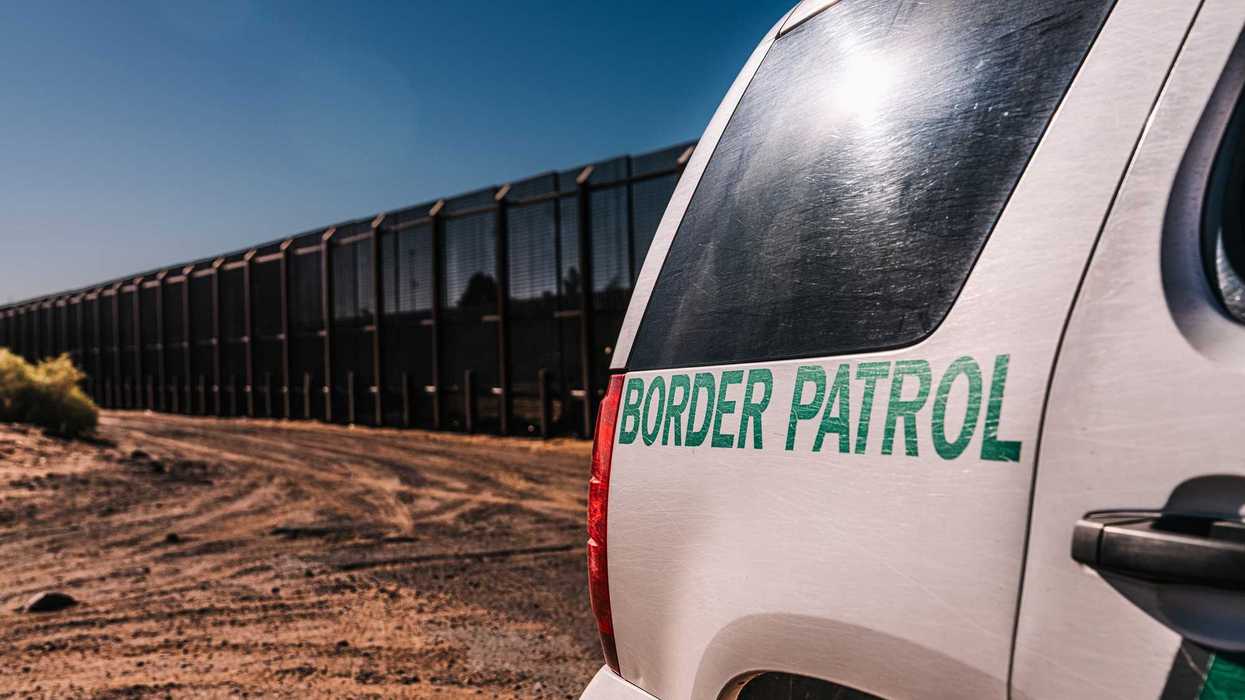
​Border patrol SUV

Border patrol SUV at the Mexico / United States border in El Paso Texas

Getty Images

Zapata County, a rural border region in South Texas, is one of the poorest counties in the state. Democratic presidential candidates carried the county for more than a century. In 2020, that all changed when Zapata, a county with a population that is 94 percent Latino, voted for Donald Trump. Trump won the county again in 2024.

Less than two years after Trump took office for a second time, the administration’s border policies are weighing on Zapata residents. The federal government began bulldozing land across the county in June. Landowners are beginning to fight back and some say their private property has been seized illegally to build the wall.


The federal government’s plan to build a “Smart Wall” includes the ongoing construction efforts and roughly 500 miles of giant river buoys being installed across the Rio Grande. These buoys are worsening conditions in a highly flood-prone region of Texas and could potentially disrupt billions in trade with Mexico

Experts say the Smart Wall efforts, combined with increased immigration enforcement, are causing the region to shift back towards becoming the Democratic stronghold it once was ahead of a a tight midterm race between Democratic incumbent Henry Cuellar and his Republican opponent Tano Tijerina in Texas’ 28th Congressional District.

Freelance Reporters from the Medill School of Journalism traveled to Zapata and Webb County in recent months to speak with affected landowners, Zapata residents, activists, and Rep. Cuellar about these issues.

- YouTube youtu.be


This piece contains original music by Zak Allnutt.

Jamie Gareh and Wisdom Howell are graduate students at Northwestern University’s Medill School of Journalism.

Read More

Person holding a "I VOTED" sticker
person holding white and blue round plastic container
Photo by Manny Becerra on Unsplash

AI, Elections and the Making of an Informed Electorate

In 1994, as a recent college graduate, I joined what was then Project Vote Smart (PVS), an organization that provided factual nonpartisan information about political candidates. Voters would call the PVS hotline to learn about specific candidates, and volunteers, myself among them, would answer their questions. More than three decades later, this type of information is available at our fingertips — but having easier access does not necessarily make us better informed.

I believed deeply then — and still do — in James Madison’s warning, contained in an 1822 letter to William T. Barry: “A popular Government, without popular information, or the means of acquiring it, is but a Prologue to a Farce or a Tragedy; or, perhaps both.” If an educated electorate is essential to protecting democracy, helping people be informed voters felt like a valuable way to contribute.

Keep ReadingShow less
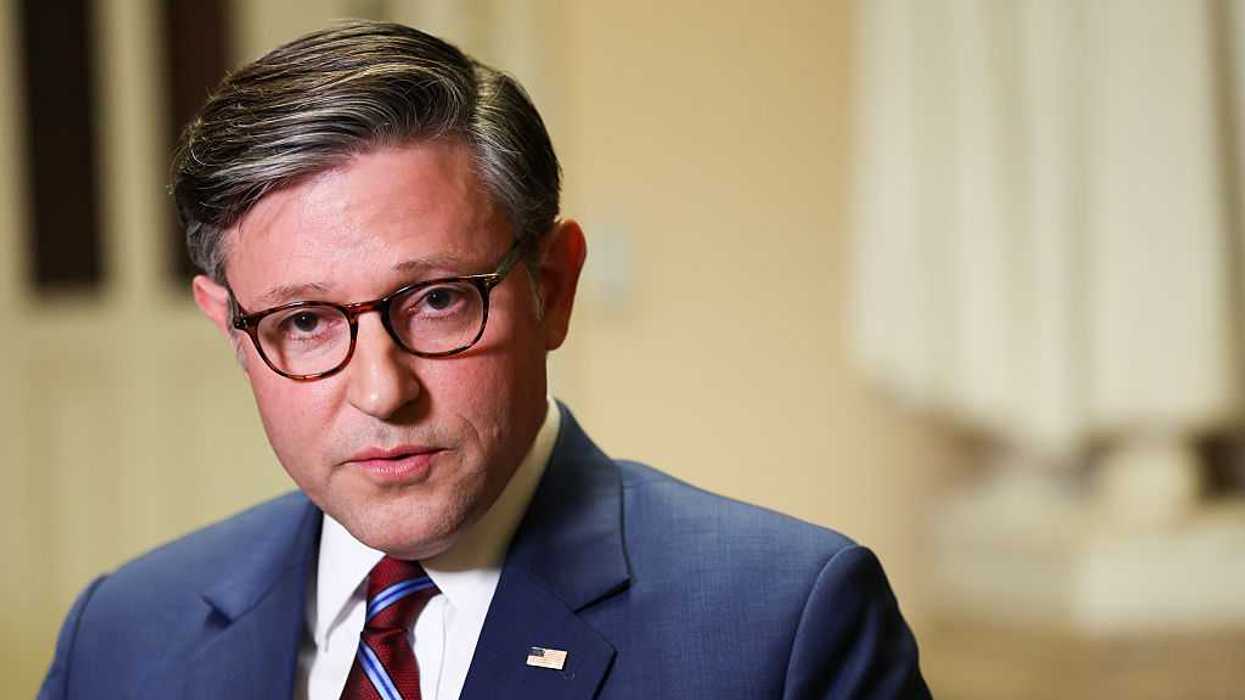
U.S. Speaker of the House Mike Johnson (R-LA)

U.S. Speaker of the House Mike Johnson (R-LA) speaks to reporters at the U.S. Capitol on November 09, 2026 in Washington, DC. Johnson spoke about the midterm elections that resulted in Democrats taking control of the House and Senate.

(Photo by Anna Moneymaker/Getty Images)

The Customer Is Always Right: Why Speaker Johnson’s Post-Midterm Arrogance Misses the Mark

In business, there is a golden rule that separates thriving enterprises from bankrupt ones: The customer is always right. When consumers stop buying what you are selling, you do not stand at the storefront door and scold them for having bad taste. You go back to the drawing board, listen to their needs, and fix your product.

Apparently, House Speaker Mike Johnson never got that memo.

Keep ReadingShow less
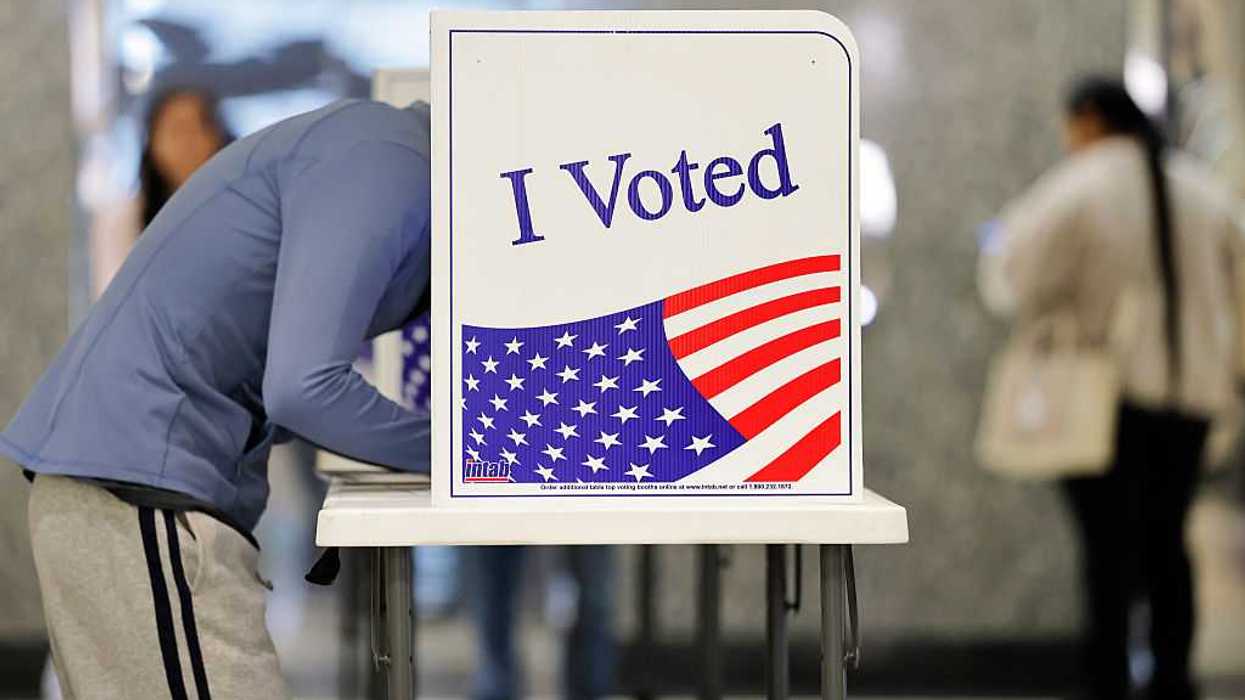
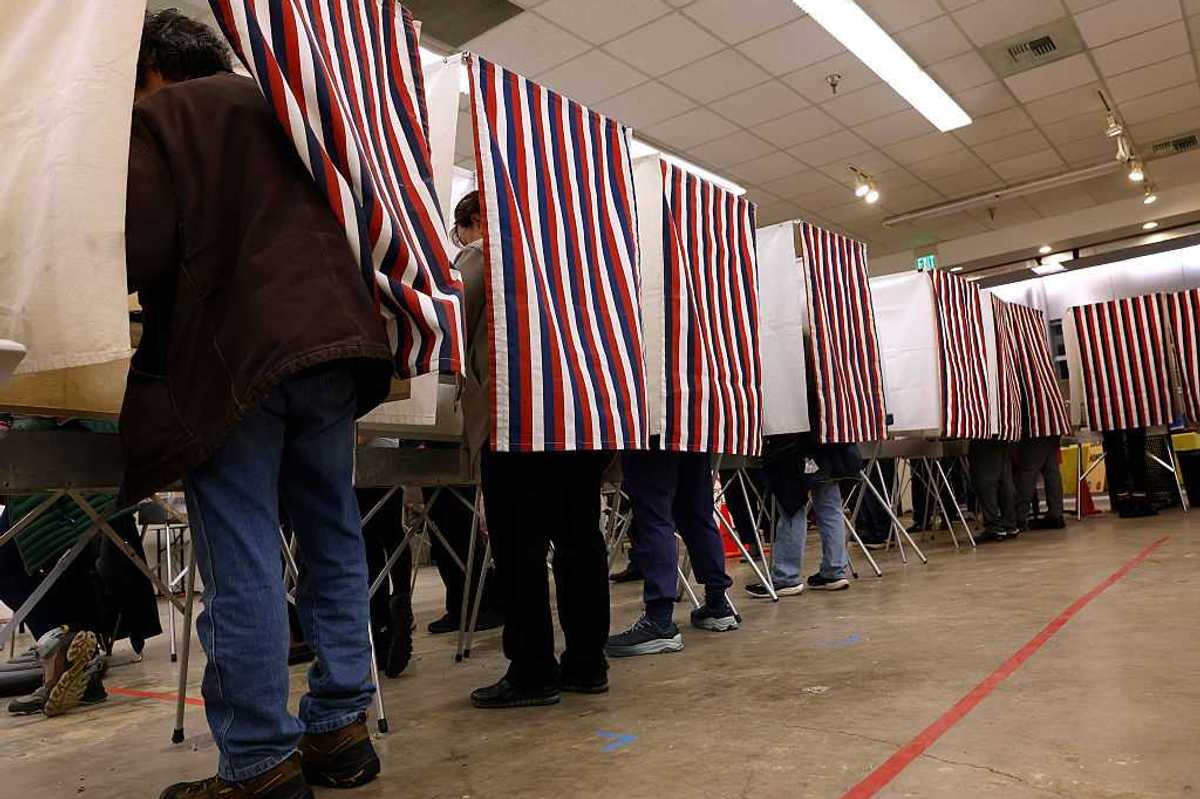
A voter in California

A voter marks their ballot in the Kern County Elections Office on November 03, 2026 in Bakersfield, California.

(Photo by Mario Tama/Getty Images)

A Republic, If You Can Keep It: The People Have Spoken

For almost two years, I have written about our constitutional Republic. I have worried about it. And I have even written to members of Congress about it.

For months, I have asked a question I never imagined would trouble me so deeply: Can the American people help keep our Republic when its guardrails are being weakened?

Keep ReadingShow less
Hand placing VOTE sticker on shirt

Hand placing VOTE sticker on shirt

Photo provided

The Latino Vote Keeps Changing. Why Do We Keep Calling It a Realignment?

After the 2024 presidential election, the headlines suggested that Latino voters were moving toward the Republican Party. Donald Trump’s gains were interpreted as evidence of a possible political realignment, particularly among working-class Latino voters and younger men.

Two years later, the story has reversed. Latino voters, we are told, are returning to the Democrats.

Keep ReadingShow less