
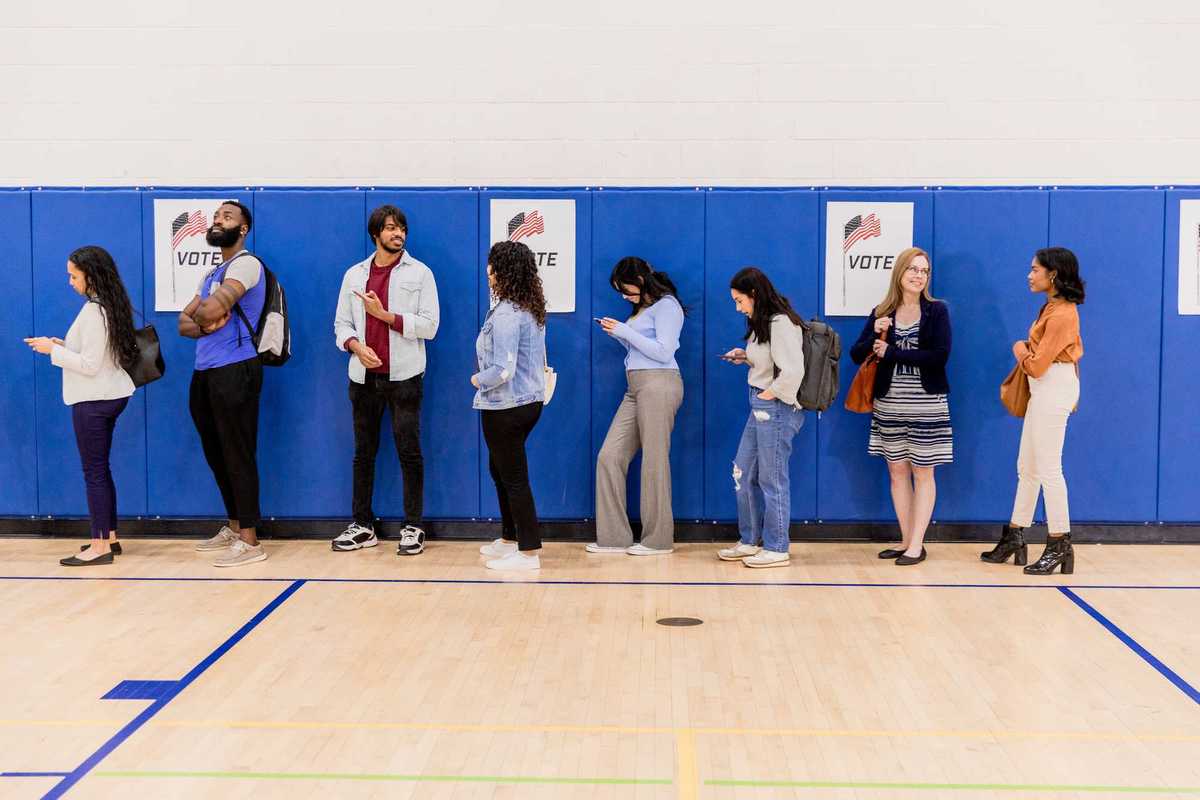
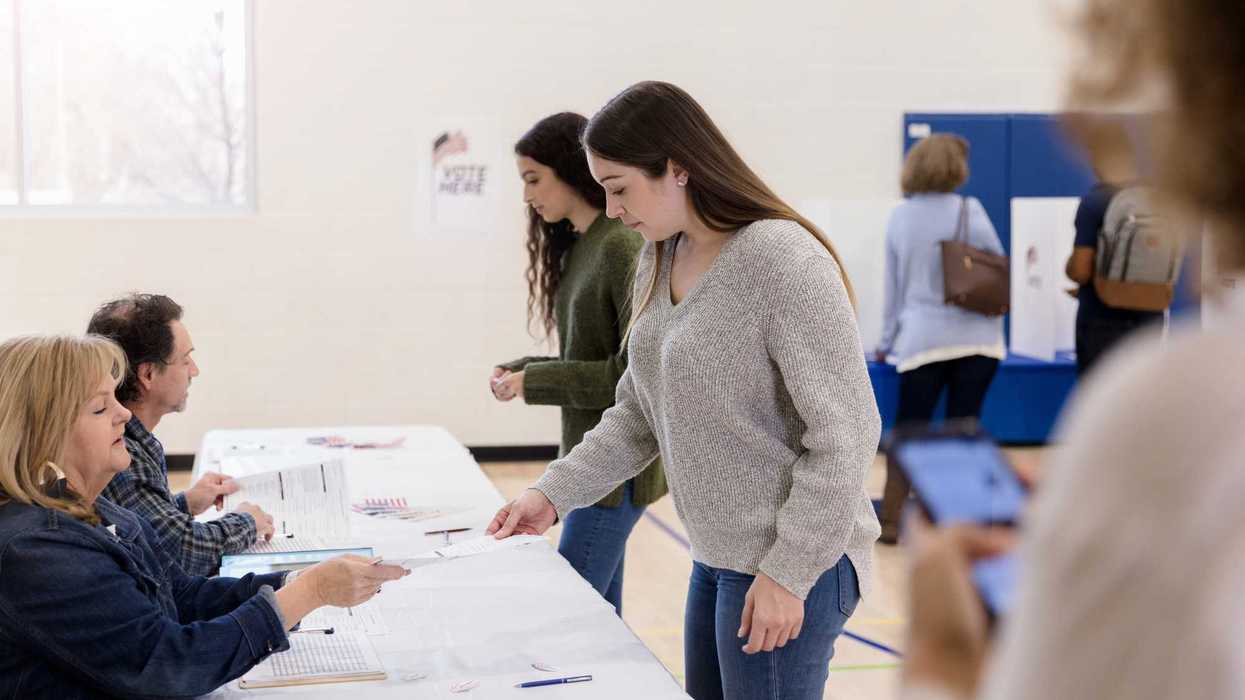

Nearly 50 million young people ages 18-29 will be eligible to vote this November, including an estimated eight million who have become newly eligible since the 2024 election. The conversation about this voting bloc tends to focus on two big questions: what will it take to get young people to the polls, and which party will capture their vote? But these are exactly the wrong questions to be asking about a generation of young people who view civic institutions with skepticism and distrust. At a time of deep political polarization and growing social isolation, we cannot narrow civic engagement down to the ballot box or let partisan divides distract us from the long-term work of building civic participation.
Despite persistent narratives about youth disengagement, Gen Z cares deeply about a range of issues and the country’s future. According to the Center for Information & Research on Civic Learning and Engagement (CIRCLE) at Tufts University, 89% of youth are willing to vote and a large majority are willing to talk to friends and family about the issues they care about. Yet 44% are unsure whether their vote matters or do not believe that it does, posing a risk for voter turnout. The disconnect reflects a gap between caring about political issues and believing their participation can make a difference.
That gap is part of a broader lack of trust in whether democracy is working for young people. Only 16% say democracy is working well for their generation, and many say they do not feel heard or represented. Economic concerns, which cut across demographics and political beliefs, further compound that sense of disempowerment. Building this trust cannot happen only at election time. Young people need meaningful opportunities to participate in civic life, develop their voices, and see that their participation can make a difference before, during, and after elections. That means more than a registration form and a reminder to get to the polls. They need the knowledge, confidence, agency, and experience to understand issues, evaluate choices, and see themselves as participants in democracy.
This kind of civic immersion can’t wait until college or career. Yet most voter engagement efforts focus on young people once they are eligible to vote, often once they reach college. This trend reinforces a transactional relationship with politics rather than cultivating lasting civic engagement. If we want lifelong participants in democracy, we cannot wait until young people are eligible to vote to engage them.
A thriving democracy needs quality, generationally relevant on-ramps to help young people get excited about and enter into the democratic habits of collective self-government. Accessible information and voter activation are important. But they can only go so far if we haven't built the civic foundation that helps young people engage in the first place.
The work starts earlier, in schools, which remain the local cornerstones of public life in many of America’s communities. High school is a critical period for developing civic identity, confidence, and agency. Research shows that feeling like your voice matters is connected to both voting and broader civic action. CIRCLE research found that 81% of students who strongly felt their voices and opinions mattered in high school said they were extremely likely to vote. The relationship also extended to broader civic action. Young people must see themselves as protagonists whose voices can shape the decisions and communities around them.
Sustainable, long-range policy planning can help make that journey possible and equitable. Civic seals in New York and California are excellent examples of policy activating youth civic engagement. In both states, over 22,000 graduating seniors receive diploma seals that recognize — and celebrate — their development of civic knowledge, identity, and skills that contribute to community-based problem solving.
The next step is making it easier for young people to become voters when they are ready. Public policies such as preregistration at 16 and expanding access to voter registration at 18 can help make meaningful civic learning and participation accessible to every young person.
When robust voting education and voting registration opportunities happen in a pre-college setting, research indicates the high potential for the habit to become stickier, rather than that work beginning in a postsecondary context. RISE Vote, a nonpartisan voter registration initiative led by Generation Citizen, New Voters, and The Civics Center, is an example of what earlier engagement looks like. The initiative provides high school students with the tools and resources to register, become informed, and participate in the election. With 200 high school voter registration events slated to take place through Spring 2027, what distinguishes RISE Vote from other youth voting initiatives is that it meets young people before college and treats voter engagement as part of broader civic development, rather than a one-time turnout effort.
Whether the opportunity is civic seals or nonpartisan voter pre-registration, sustainable policy prioritizes the engagement and entrance of young folks into America’s public life.
The 2026 midterms, in an important respect, transcend questions of party affiliation. From a civic leadership development standpoint, it offers an important opportunity to engage a new generation of voters in the political process. If we want young people to become lifelong participants in democracy, we need to cultivate their voice, agency, and civic knowledge long before we ask them to cast a ballot. That’s not just work facing young people. It’s up to all of us to drive it forward.
Andrew Wilkes serves as Generation Citizen’s Chief Policy & Advocacy Officer, where he leads GC’s thought leadership, coalition building, and policy initiatives as a part of the national leadership team.





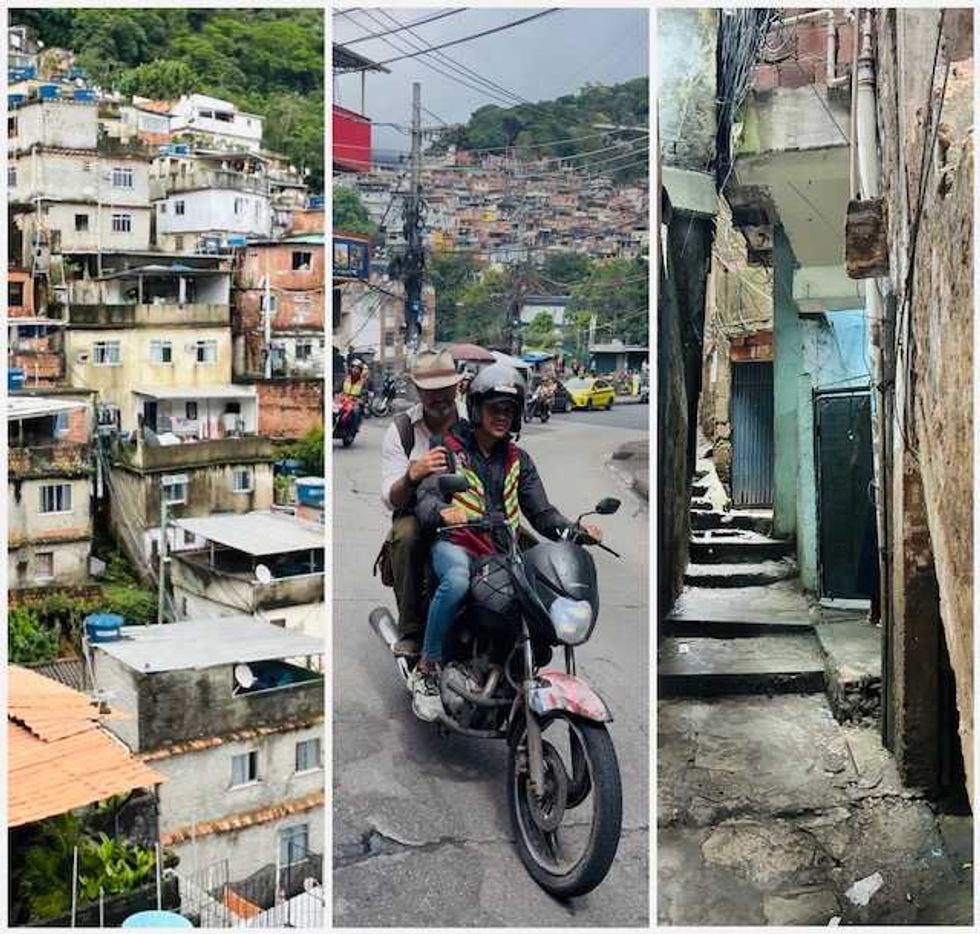 Scenes from Favela Rocinha, Brazil - (R-L) Rows of brick homes, Hugo Balta on a motorcycle taxi, and steep, winding roadsHugo Balta
 Following our HWF Civic Futures kickoff last week with Eric Liu, our design partners at Public/Official have created a unique visual to capture the “civic scaffolding” spirit of this conversation.
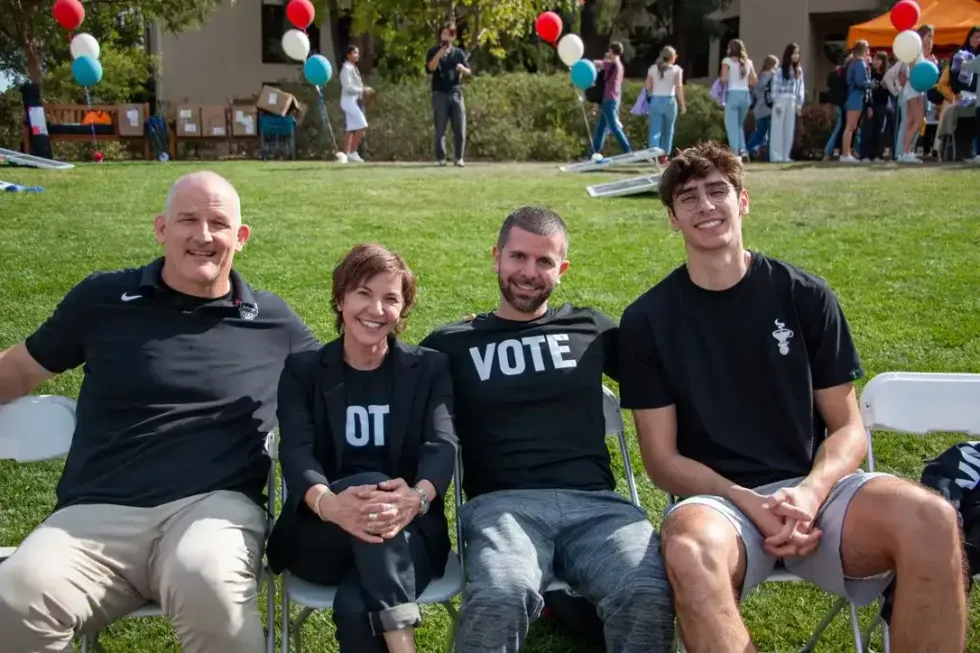 Lisa, Coaches Rev and Matt Elkin, and former Stanford Men’s Basketball star Maxime Raynaud at Stanford’s “All Vote No Play” Democracy Day, 2025