





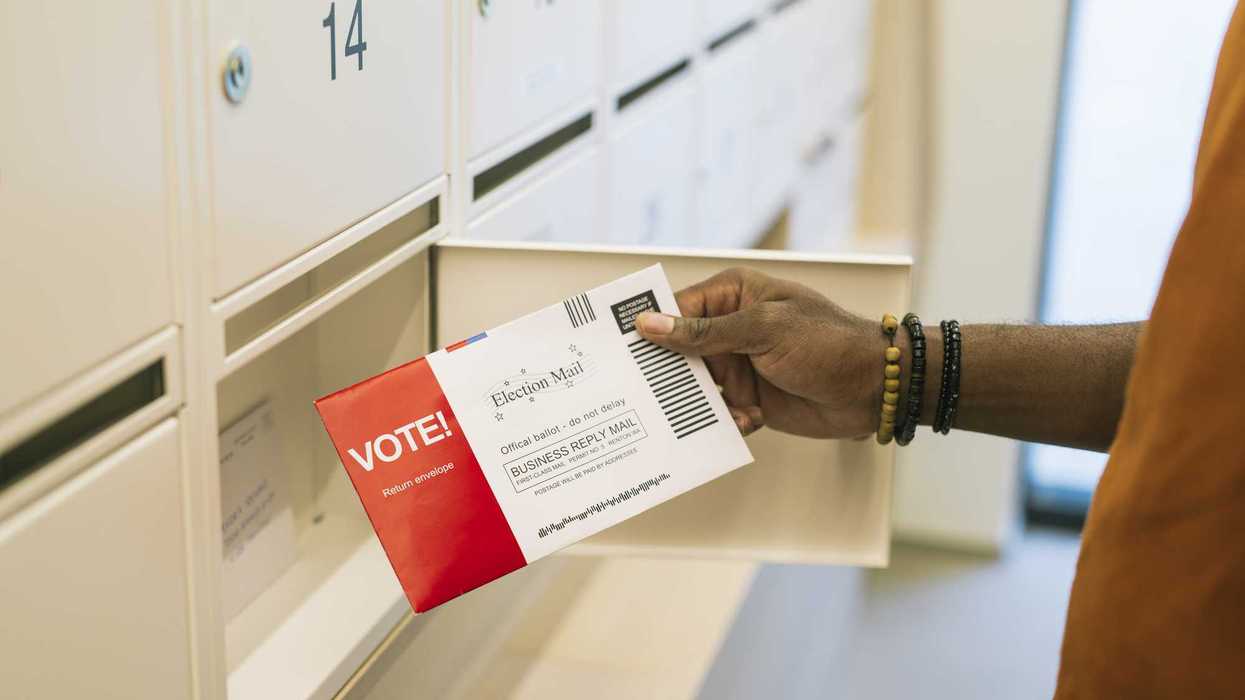
For many students, the start of the fall semester means a new address. Whether it's a freshman-year dorm room or a sick (you decide the connotation here) off-campus apartment, your address can impact how and where you vote. With midterms quickly approaching—no, we’re not just talking about your exams—checking your voter registration now means you’ll have plenty of time to overcome any potential barriers to voting, cast a ballot, and make your vote count.
Systemic Barriers Could Keep Young People From Voting
Young people make up the country’s largest voting bloc, but turn out at consistently lower rates than older generations. It’s not, as any young person reading this knows, because they don’t care. Gen Z cares deeply about the issues that affect our daily lives, and yet, young people in every corner of the country face roadblocks to voting. No one can participate in an election they aren’t registered for (except in North Dakota), and absolutely no one can overcome barriers they don’t even know exist. The truth is that many laws and policies make it harder for young people to vote. So, let’s take a look at the numbers:
Why are only 30% of 18-year-olds typically registered to vote during a midterm election cycle? While the lowest-performing states have cutoffs that prevent young people from registering unless they will be 18 by the next election, all of the highest-performing states allow young people to preregister to vote by at least age 17. Color us shocked!
Voting also becomes infinitely harder when you don’t have a driver’s license. And wouldn’t you know, young people are generally less likely to have driver’s licenses than other age cohorts! In 2020, 28% of people who did not vote also did not have a driver’s license. In 2024, 12% of young people cited living out of town or away from home as their main reason for not voting.
And while a driver’s license is one of the most common ways to prove your identity at the polls, wouldn’t it be great if there was another form of identification all college students had? Wait, it’s called a student ID, and fourteen states ban it as voter ID entirely, while seven more states allow only some forms of student ID.
And for young people who don’t have access to transportation, voting by mail becomes a safeguard—but even voting by mail is becoming harder. In the last year, 16 states have passed bills to restrict the practice.
So, at what point will we stop questioning whether young people want to vote, and start questioning why our election officials don’t want them to cast a ballot?
Your Vote Can Shape What Happens Next
The full power of the youth vote could change the future of this country, and for 14 years, Fair Elections Center’s Campus Vote Project (CVP) has fought alongside young people to protect, expand, and facilitate that power. We know that the younger someone starts voting, the more likely it becomes that they will be a lifelong voter.
That’s why CVP created our Democracy Fellow program. Every semester, nearly 300 fellows learn about election law in their state, get involved in election protection efforts, and help create an action plan with their campus voting coalition through our Voter Friendly Campus program to institutionalize democratic engagement on campus for years to come. These trainings and leadership development opportunities prepare the next generation to be stewards of democracy: mobilizing their peers, getting them registered to vote and to the polls, fighting back against misinformation on their campuses, and helping overcome every barrier to turnout that threatens our nation’s newest voters.
As we celebrate National Voter Education Week, Sarah—a democracy fellow in Virginia—can see how excited students are to register to vote and participate in our democracy, both inside and outside the voting booth. Sitting behind a table in the quad at the center of campus, wearing an “Ask Me About Voting” T-shirt, students walk up to her all day with questions. Where can I vote? Am I even eligible? Can I use my student ID or will I get turned away? Voting for the first time can be nerve-racking. She can relate—it wasn’t that long ago when she was a first-time voter, too.
Nearly 50 million young people will be eligible to vote in the 2026 midterm elections. Are you one of them? As you pick up your textbooks and read through the syllabi for your classes, let’s not forget the most important assignment of the semester: check your registration and make a plan to vote.
Follow our voter checklist and learn more about how to make every vote count with Fair Elections Center’s 2026 Election Survival Guide:
● Check your voter registration
● Look up the voting rules and deadlines in your state
● Confirm your polling place and voting options
● Make sure you understand ID requirements
● Help a friend who is voting for the first time do the same
Ciarra Malone is Regional Manager for Fair Elections Center’s Campus Vote Project.
Sarah Tyree-Herrmann, University of Mary Washington ‘27, is a Democracy Fellow for Fair Elections Center’s Campus Vote Project.











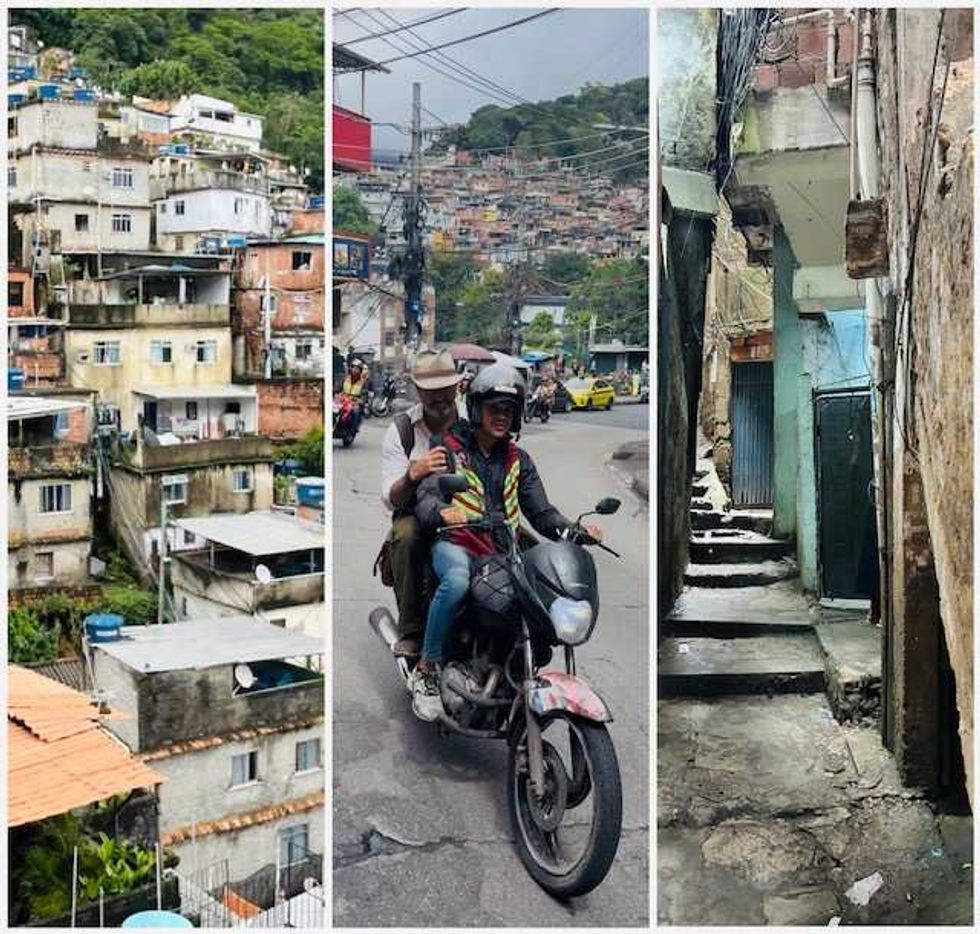 Scenes from Favela Rocinha, Brazil - (R-L) Rows of brick homes, Hugo Balta on a motorcycle taxi, and steep, winding roadsHugo Balta

 Following our HWF Civic Futures kickoff last week with Eric Liu, our design partners at Public/Official have created a unique visual to capture the “civic scaffolding” spirit of this conversation.
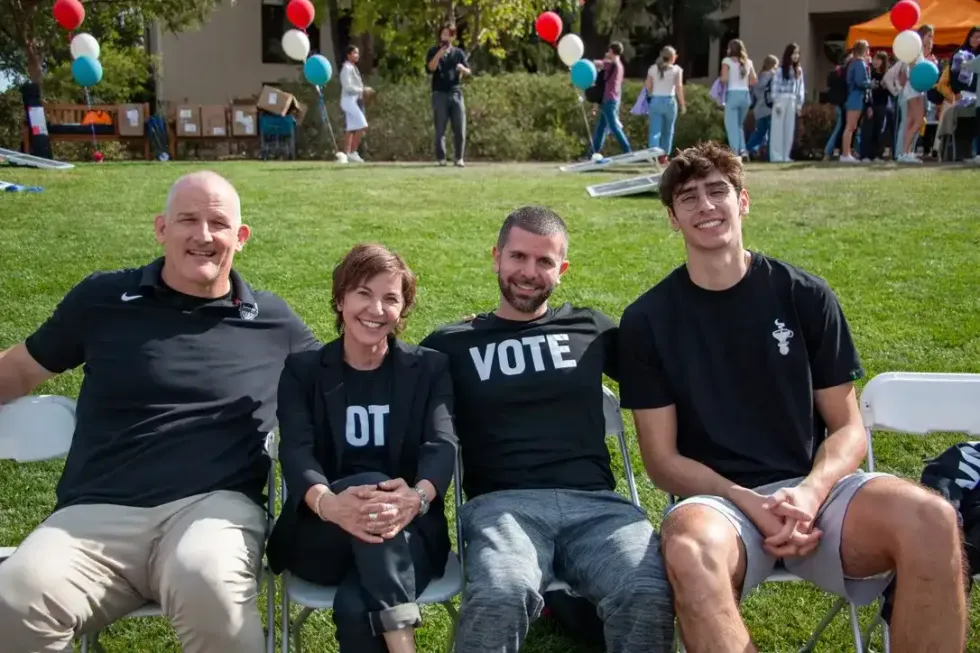 Lisa, Coaches Rev and Matt Elkin, and former Stanford Men’s Basketball star Maxime Raynaud at Stanford’s “All Vote No Play” Democracy Day, 2025