


As part of a collaboration between The Fulcrum's NextGen initiative and Made By Us, The Fulcrum is publishing Letters to America, a series created through the Youth250 project that invites Gen Z to reflect on the nation’s past, present, and future as the United States approaches its 250th anniversary.
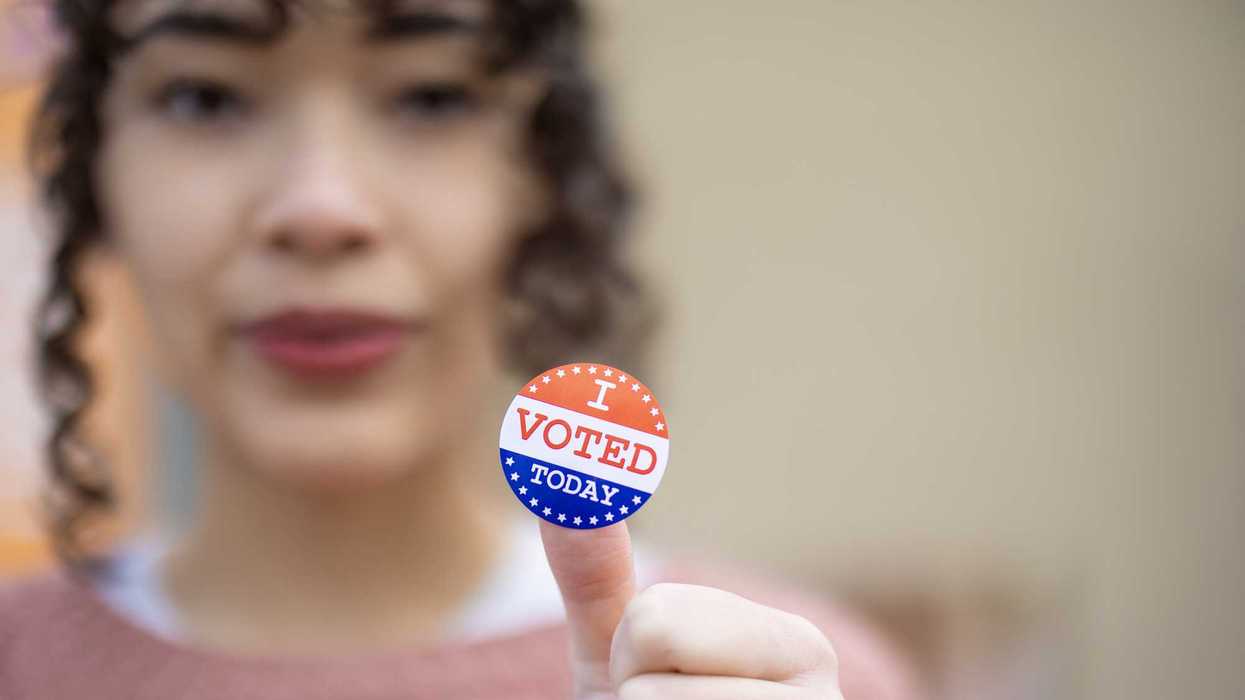
We've entered a big election year, and people are asking the same tired questions: whether the next generation will show up to repair the broken democracy they've inherited or if apathy will keep them home. I used to believe the myth, but last November proved otherwise. And even in places where youth turnout wasn’t record-breaking, the idea that young people don’t care simply doesn’t match reality. After all, survey data from the 2022 midterms suggests that only 28% of Gen Zers didn’t vote because they thought it wasn’t important. I’ve spent the past two years mobilizing students on dozens of college campuses across the US to register to and cast their votes, and I’ve seen firsthand just how deeply my generation cares about the fate of our country—and why their passion so often stops short of the ballot box.
Every day, thousands of my fellow students across the nation are working tirelessly to make their campuses and communities better places. From supporting the operations of local food pantries to administering free flu shots to healthcare workers and providing free income tax assistance, our issue is not indifference. It’s that our preferred forms of engagement often happen outside the orbit of electoral politics.
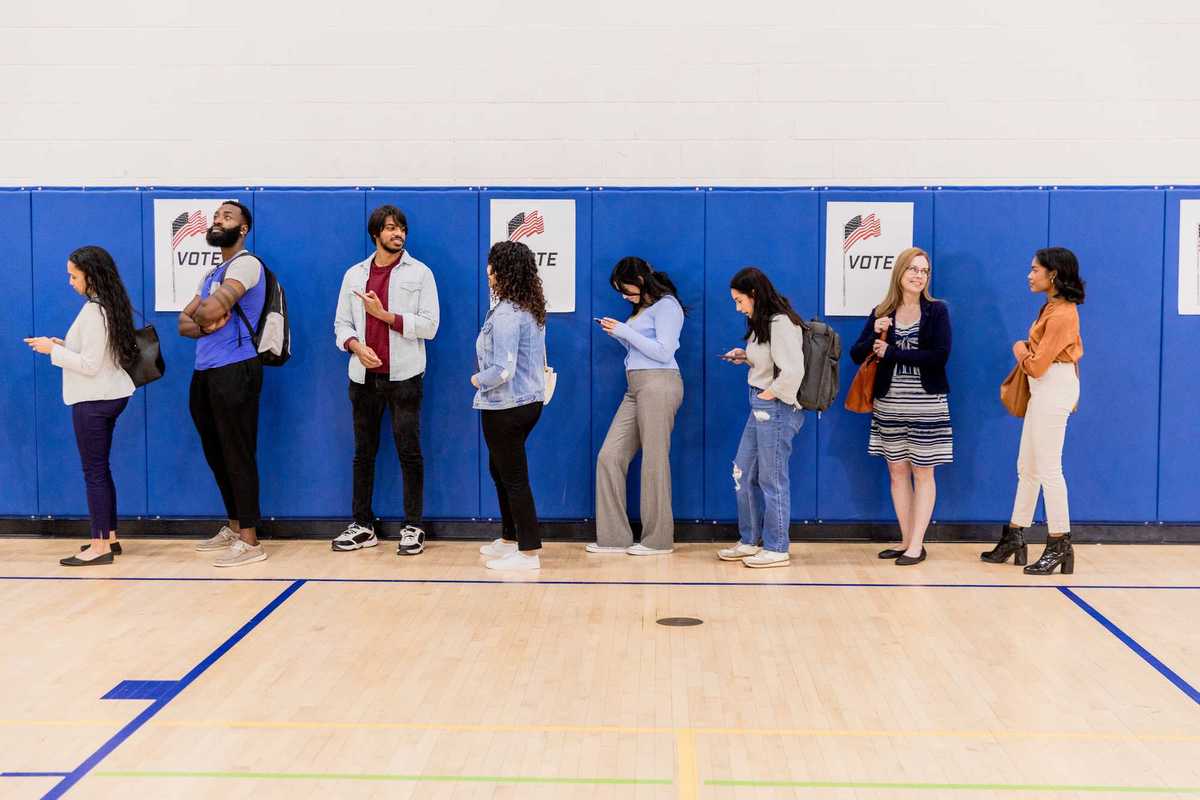
But this raises an important question: if Gen Z is so invested in social change, why isn’t that energy showing up in voting numbers? The answer is simpler than you may think. For students, casting your ballot is often just plain hard.
I’ve had dormmates from out of state who didn’t have a local driver’s license, meaning they needed to fill out a paper registration form and physically drop it off at the county elections office. Without a car, facing limited public transportation options, and in the middle of a full course load, it was easier for many not to vote. My own voting experience was not without issue. I ordered an absentee ballot to my campus P.O. box, waited weeks for it to arrive, and by the time I filled it out and returned it to my home state, the deadline for acceptance had passed. No matter how engaged college students might be, structural barriers —and often, deliberate disinformation campaigns— pose significant challenges to being able to have a say in our future.
Unfortunately, this leads to a major chicken-and-egg problem. When the existing system prevents young people from voting, candidates and elected officials don’t see young voters as a constituency they must answer to, leaving us feeling unheard and further disengaged. When leaders offer genuine hope, speak to young people’s concerns, and present a future we can imagine ourselves thriving in, something shifts. Just look at Zohran Mamdani’s recent success in New York City. Rather than demonizing his opponents and painting an apocalyptic picture of the Big Apple if he wasn’t elected, he campaigned on a future that would address issues young people care about, such as affordability and housing.
When young people feel seen, when the system opens space for their voices, and when casting a ballot feels like building something new and better, participation stops being a chore and becomes the natural next step.
So, how do we move towards a world where young people are both deeply engaged in their communities and habitual voters? How do we remove the structural challenges students face while countering the narrative that Gen Z doesn’t care?
For young voters, campus organizers, and other interested parties, the answer is simple: get involved with organizations and people who are passionate about closing the voting gap. Nonpartisan groups like the Fair Elections Center’s Campus Vote Project and Every Vote Counts work directly with colleges and universities nationwide to provide students with the resources, information, and opportunities they need to get to the ballot box. From institutionalizing pro-voting campus reforms to directly challenging legislative barriers, exposing disinformation, and supporting nonpartisan voter registration drives, these nonprofits play a critical role in bringing Gen Z’s civic energy to the polls.
But they can’t do it alone. These groups need student leaders like me to help turn our campus networks into real voting power. If we want a government that reflects our needs and the needs of those who come after us, we have to channel the same energy we bring to every other part of our civic lives into the ballot box. We’ve already seen what our votes can do when we show up, and that momentum is ours to build on. With students stepping forward—and with real support from our institutions and communities—we can make voting a habit and strengthen the civic muscle our generation has already proven it possesses.
Jason Vadnos, 19, Nashville, TN








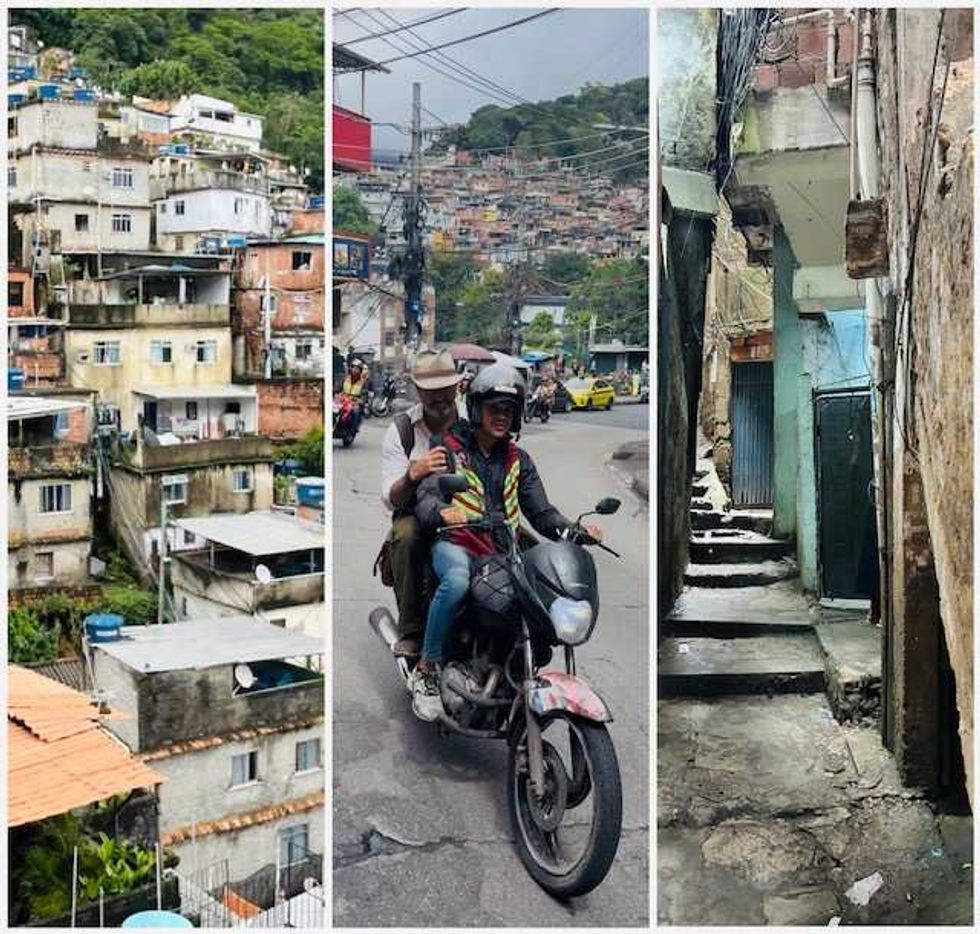 Scenes from Favela Rocinha, Brazil - (R-L) Rows of brick homes, Hugo Balta on a motorcycle taxi, and steep, winding roadsHugo Balta
 Following our HWF Civic Futures kickoff last week with Eric Liu, our design partners at Public/Official have created a unique visual to capture the “civic scaffolding” spirit of this conversation.
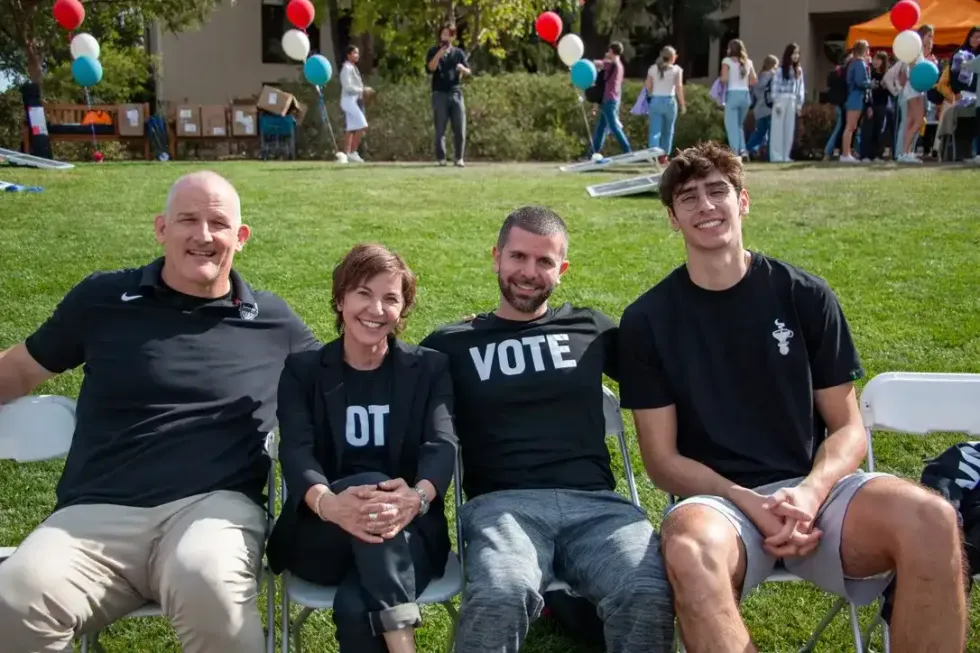 Lisa, Coaches Rev and Matt Elkin, and former Stanford Men’s Basketball star Maxime Raynaud at Stanford’s “All Vote No Play” Democracy Day, 2025