


In the mid-1930s in the Soviet Union, under Joseph Stalin's leadership, the NKVD (the predecessor of the KGB) drove around Moscow and other cities in trucks with the word ХЛЕБ on the side. This translates into English as “Bread,” leaving the appearance that these were bakery trucks distributing fresh bread throughout the city. The stories are well told by some of the great dissident Soviet writers of the time, like the poet Osip Mandelstam, his wife Nadezhda, and several others. Osip Mandelstam was first arrested in part for his satirical poem about Joseph Stalin entitled The Stalin Epigram.
Recently, one is drawn to recognize the parallels between the NKVD bread trucks and black SUVs filled with ICE officers, who mask their faces and offer no identification as they snatch children and adults off the street because they have melanin in their skin or speak with an accent. Like the NKVD, ICE officers shoot people without substantive explanation, detain more than 66,000 people, many without criminal records, including occasional citizens, and ship them off to undisclosed detention centers. They have also deported hundreds of thousands of people, often without notice or due process.
The re-creation of internment camps as advocated by Stephen Miller has resurrected one of the most disgraceful periods of US history, the internment of Japanese Americans, which Miller celebrates. Miller’s activities also bring to mind the famed gulags built by Joseph Stalin and written about by the likes of Aleksandr Solzhenitsyn and others.
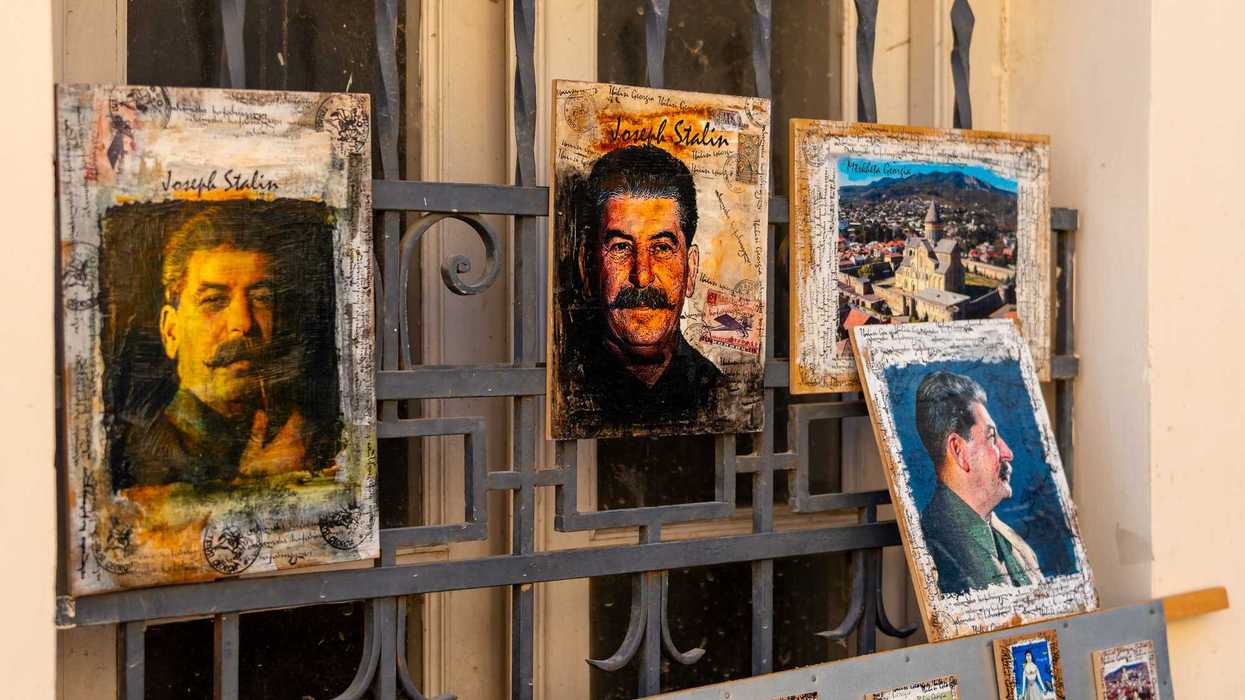
The fact that I cite experiences of writers is not intended to diminish the significance or the devastation of others who were victims of Stalinist oppression. Between 1937 and 1938, under Stalin’s rule, millions were executed, censored, and/or sent to gulags. One of the many things that stands out, as another parallel, is the extraordinary insecurity of the leadership. Making fun of Stalin alone was enough to be killed or sent away.
One is reminded of a famous story about Boris Pasternak: apparently, on 13 June 1934, Pasternak received a call from Joseph Stalin, asking him to discuss Osip Mandelstam, whom Stalin considered subversive. Pasternak knew that if he spoke up for Mandelstam, he could offend Stalin and find himself sent to a gulag. Conversely, if Pasternak failed to support Mandelstam, his friend, he could be signing Mandelstam’s death warrant.
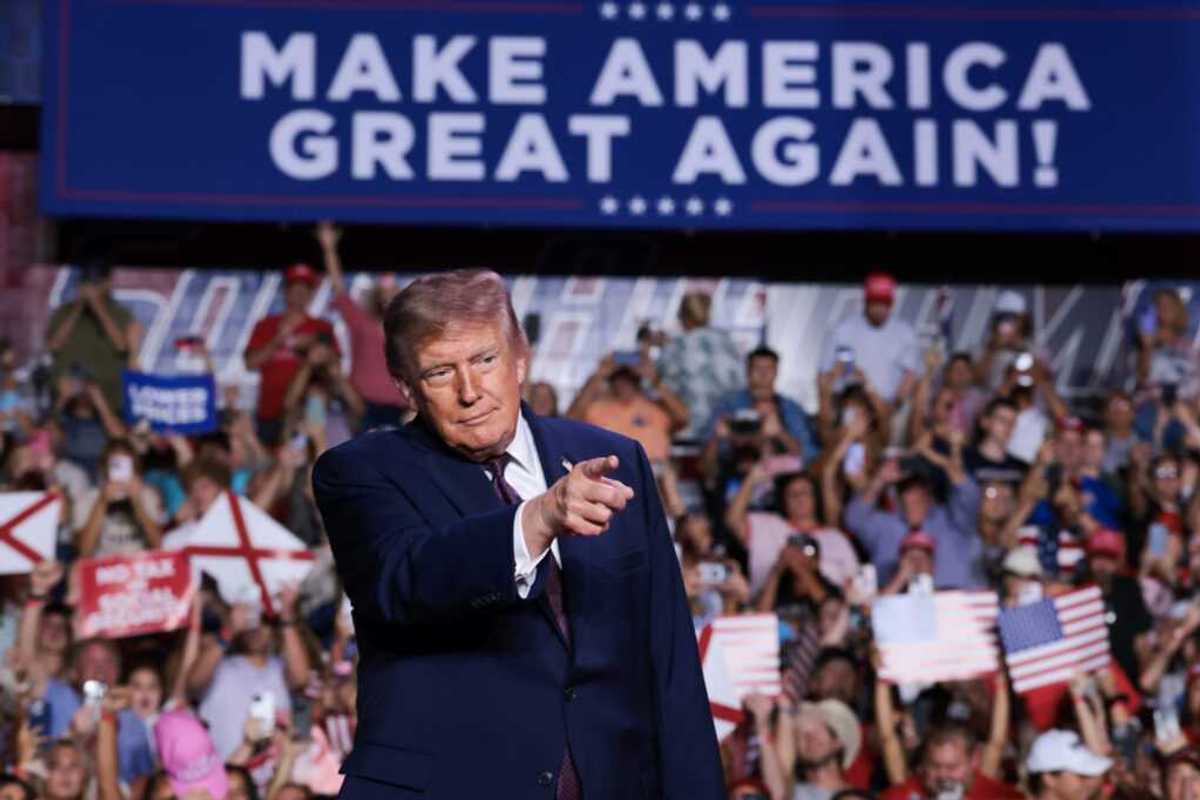
The Administration’s activities fit Stalin's playbook. The US president issues vile attacks on journalists, entertainers, members of the opposition party, members of his own party, judges, anyone else who criticizes him, and even those who support him but fail to demonstrate sufficient fealty.
The Administration resembles the deceased Soviet leader, as it tries to punish its critics in the media. Like President Putin, the US president has sought to take over and control broadcast media and is prepared to use regulatory agencies to impose his whims.
The president has unsuccessfully tried to eliminate funding for PBS, NPR, and to take over Star & Stripes. He is already a beneficiary of the largess of Fox, One America Network and NewsMax. Also, like his friend Putin, the President’s oligarch friends have taken over CBS and are in the process of acquiring CNN. That merger will leave only two domestic historical network news services, ABC & NBC, and a few much smaller independent cable/web services, like MSNOW, Politico, ProPublica and AP. The president has threatened to dismiss the New York Times and the Washington Post from the White House Press pool in addition to his misguided effort to oust MSNOW, CNN and Politico. Dissatisfied with mainstream media, the president has established his own propaganda arms, TrumpTV, which is paid for by the government allegedly illegally, and Truth Social, which he owns.
Stalin and the Communist Party exercised total control of the Soviet economy. The US president seeks to wrest control of the economy from the private sector. The Administration has entered into revenue-sharing agreements with Nvidia and AMD and holds equity stakes in Intel, US Steel, and MP Materials. This appears to be an effort to move the US away from a capitalist free-market economy toward a government-planned economy. Akin to China or the former Soviet Union. The president has made it clear that he wants to control interest rates and the Federal Reserve Bank, and that he is prepared to use the military to intervene in the bond market.
However, it is just as likely that the President’s goal is more akin to the current Russian economy, which is dominated by a few oligarchs who must maintain their allegiance to President Putin. Trump's primary objective may well be personal greed, through oligarchic fealty. This aligns with the suggestion that the principal beneficiary of Russia’s largesse is President Putin himself, whom many believe is, in fact, the world’s richest man.
This casts an entirely different light on Trump’s admiration for Putin. It also raises significant questions about the president and his family members’ transactions with ruling families of the Middle East. Investigations are warranted into Trump Jr.’s financial support from Umar Kremlev, an oligarch and friend of Putin, as well as the planned real estate development of the Trump Tower in Tbilisi, Georgia, which involves another oligarch friend of Putin, Bidzina Ivanishvilli. Ivanishvilli was sanctioned by the US in 2024 for undermining the democratic and Euro-Atlantic future of Georgia for the benefit of the Russian Federation. Ivanishvili’s leadership shifted Georgia's allegiance from the USA & Europe to Russia. Before Ivanishvili’s domination, Georgia sought membership in NATO, something Putin abhorred.
It is very peculiar for the family of an American president to be investing in transactions involving billionaires known for undermining democracy in previously allied emerging democratic countries. It becomes even more concerning when the family of the president who allegedly has a history of money laundering is now heavily involved in cryptocurrency, which, while unquestionably volatile, would permit the president and his family to trade with Russians who are well known for extreme money laundering and make it significantly harder for the US Treasury and OFAC to detect. Even if the Department of Justice had an interest in doing so.
Expecting ethical conduct from an Administration that ignores the Constitution, the rule of law, ethics, and previously accepted norms is challenging. This is probably the first time a president and his family have engaged in multi-billion dollar transactions with many foreign governments (some of whom are generally considered enemies) for personal gain while the president is in office.
There is a lot to watch for as we move into the second half of this Administration's second term. It is highly unlikely, to be like anything, that we have ever seen before.
Walter H. White, Jr. is a retired American lawyer living in London, he has lived and practiced law in Russia & Central Asia and has been admitted to practice in Qatar, Washington D.C., Wisconsin and as a registered foreign lawyer in England & Wales. He is a member of the Board of Lawyers Defending American Democracy and was a founding member and later chair of the ABA Center for Human Rights. He also. Served as Chair of the Central Asian American Enterprise Fund during the terms of President Clinton and President George W. Bush.








The President Invited Iran to Bomb My Home