
Summer rarely ends all at once. It slips away by degrees. Neighborhood pools close, backpacks replace beach bags, and daylight shortens. The US Open tennis classic gives way to football as families rearrange weekends around school activities and kickoff times. Then another season arrives.
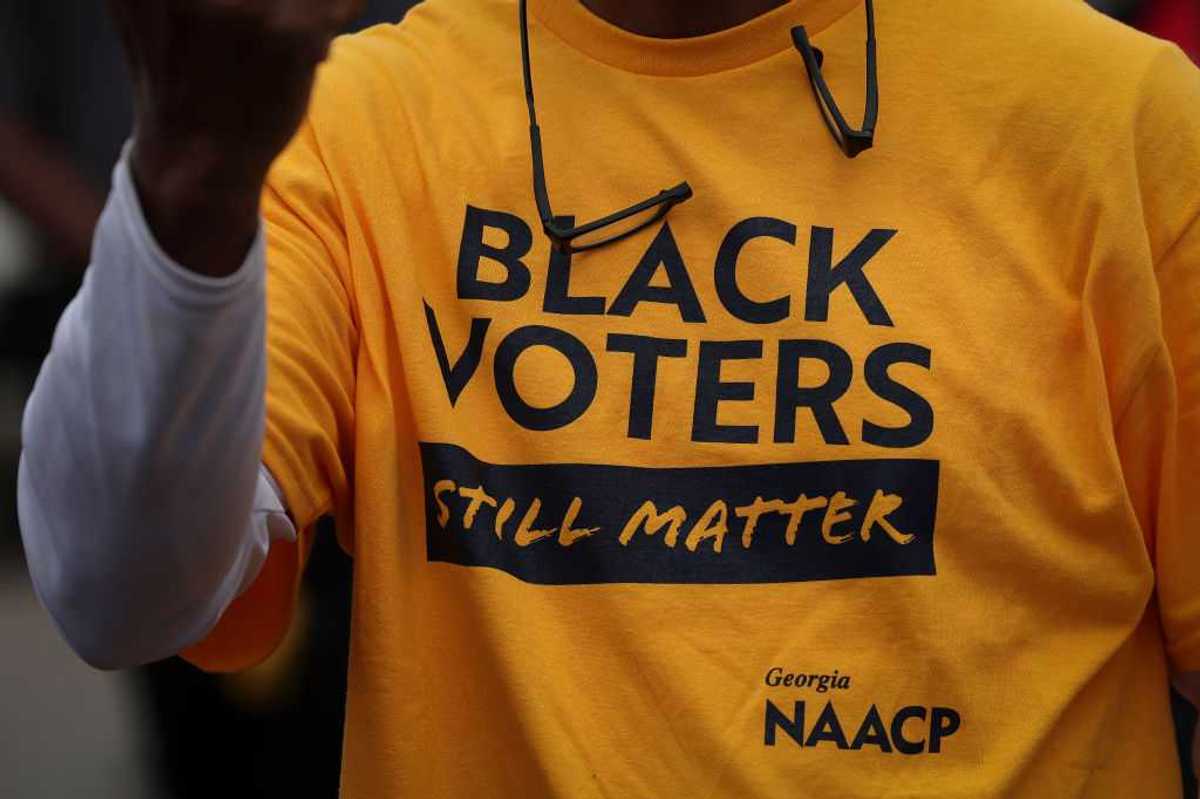
Political ads interrupt television viewing. Campaign mailers crowd the mailbox. Yard signs line the route to school. By fall, news about elections, wars, immigration, public safety, rising prices, and political conflict has followed us into our kitchens and living rooms. Adults talk about grocery bills, housing costs, health care, and the country’s future. Sometimes we speak with concern. Other times, we sound angry, frightened, or exhausted. All the while, our children are listening.
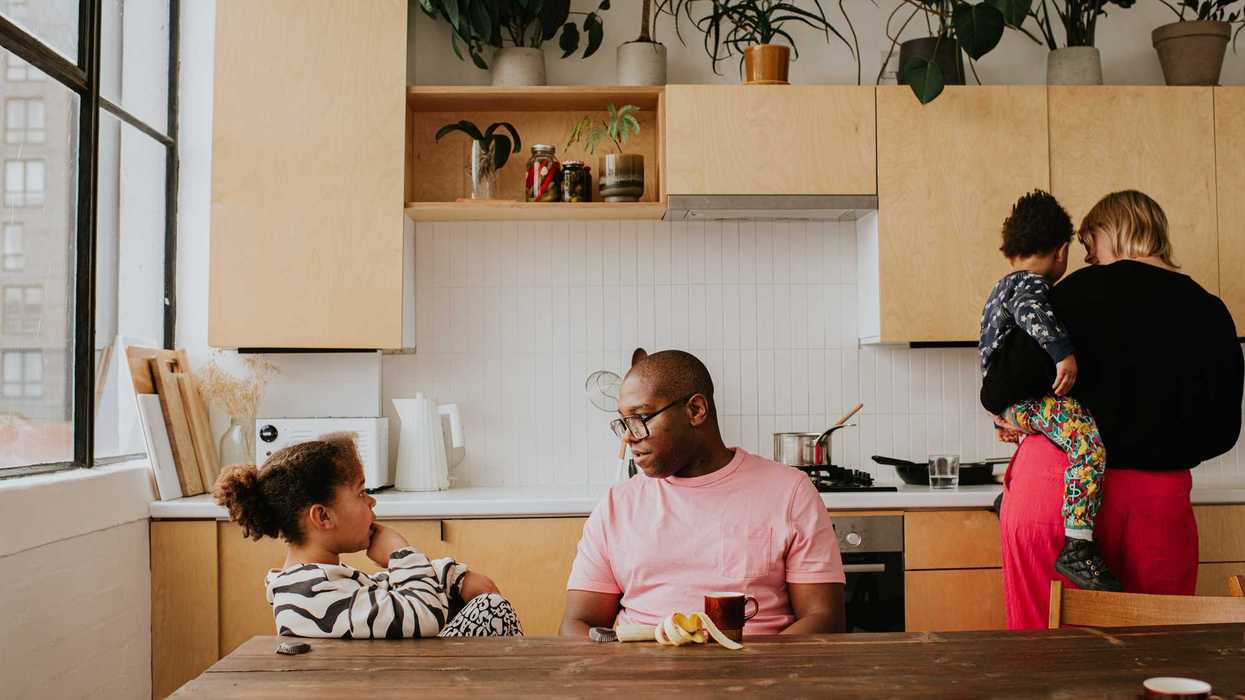
As the parent of a young school-age child, I am reminded that children don't have to understand every issue to recognize the feelings around it. A child may not know what a midterm election is or why adults disagree about public policy, but they recognize fear, anger, contempt, and uncertainty. Before politics becomes an argument they can understand, it is often an atmosphere they can feel.
That matters as the November 2026 midterm elections approach. Americans will choose representatives to Congress, along with state and local officials, depending on where they live. Adults will debate consequential questions about rights, resources, public policy, and the country’s direction. For children, however, some of their earliest lessons about public life will come from watching how the adults around them handle those disagreements.
They are learning whether people can disagree without becoming enemies, whether truth still matters when it complicates what we want to believe, and whether citizenship means caring only about winning or accepting some responsibility for one another.
Mister Rogers understood that children should not be left alone with feelings they cannot name. He did not hide difficult realities, but he also did not burden young minds with adult-sized fears. He offered a calm, trustworthy presence and language children could carry with them. Daniel Tiger’s Neighborhood continues that tradition, helping children navigate change, express strong emotions, and practice kindness when life feels uncertain.
Parents, teachers, and caregivers can bring that same spirit into election season. Our children do not need us to make politics invisible. They need adults who can make a complicated world understandable without making it terrifying.
Five Ways to Help Children Through Election Season
1. Listen before you explain.
When a child asks, “Why are those people fighting?” or “Is that person bad?” our first instinct may be to provide an answer. A better response often begins with another question: “What did you hear?” “What do you think is happening?” or “What made you ask that?”
Children build meaning from fragments. A political ad warning of catastrophe may sound to a child like a prediction that something terrible is about to happen. A news report about war can raise questions about whether their own family is safe. An argument about immigration may frighten a child who is worried about a classmate or someone they love.
Listening helps us discover the question beneath the question. Sometimes a child needs information. Sometimes they need reassurance. Often they need to know that an adult is willing to hear them without dismissing their concern.
2. Tell the truth in words children can carry.
Honesty does not require sharing every disturbing detail. For younger children, use simple words and focus on broad ideas, like saying, “People disagree about which laws will help our community,” or “An election is one way people choose who will make important decisions.” Older children might be ready for more context and can talk about how families may have different concerns about money, safety, war, education, or whether people are being treated fairly. With any age, it helps to notice what your child is ready to understand. We should also be willing to say, “I don’t know yet.”
Children do not need adults who pretend to have every answer. They need adults whose words they can trust.
Age-appropriate truth names what is happening without transferring the full weight of adult anxiety onto a child. “Yes, people are arguing about this. It can sound scary. People are also working in different ways to address the problem.” That is not evasive. It gives a child enough truth to understand without asking them to carry what they are not yet equipped to hold.
3. Protect the emotional climate at home and at school.
Election season brings a flood of messages competing for attention. Some campaign advertising uses dramatic language and imagery, while television and online coverage can repeatedly expose families to conflict and disturbing events. Adults have more context for interpreting what they see. Young children often do not.
Turning off the television is not civic avoidance. Sometimes it is responsible care. Silence unnecessary alerts. Protect some mealtimes from political debate. Pay attention to what children hear during carpools, family gatherings, classroom transitions, and evenings when the television is playing in the background.
Adults deserve places to have serious political conversations. Children deserve spaces where they are not required to absorb those conversations without explanation.
4. Show them how to disagree without denying anyone’s humanity.
We can challenge an idea without ridiculing the person who holds it. We can object strongly to policies or actions without teaching children that entire groups of people are worthless. “I believe that policy could hurt families” communicates something different from “Anyone who supports it is a terrible person.”
Disagreement is an ordinary part of democratic life. Children should see adults ask sincere questions, examine information before repeating it, admit when they are mistaken, apologize for unfair words, and revise an opinion when evidence warrants it.
They should also learn that respecting someone’s humanity does not require excusing harmful behavior. We can establish moral boundaries, name injustice, and oppose what we believe is wrong without making cruelty our method. Those habits teach children something important about citizenship that no campaign slogan can.
5. Give children constructive ways to help.
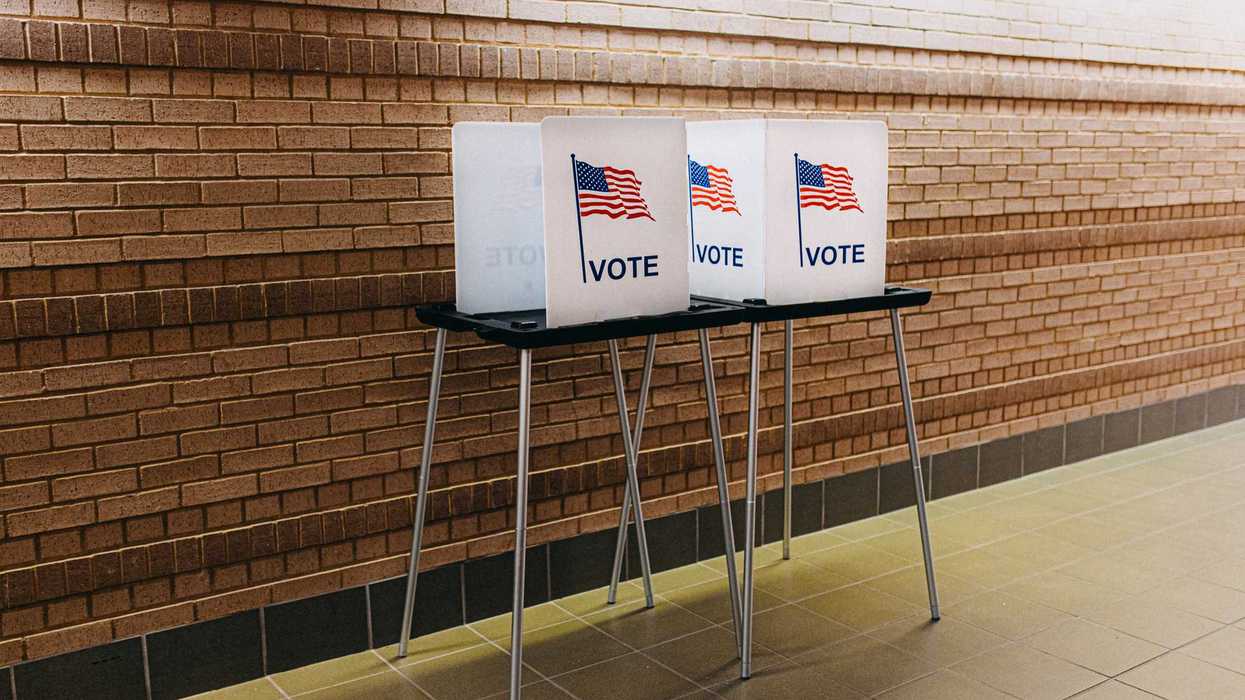
One antidote to helplessness is participation. Even young children can experience what it means to contribute to a community's well-being. When appropriate, take them with you when you vote and explain what you are doing in simple terms. Let them see that elections are one part of civic life, not the whole of it.
Invite them to help collect food for a pantry, write a thank-you note to a teacher, clean up a neighborhood park, welcome a new classmate, help an elderly neighbor, or participate in a community project. These ordinary acts teach children that citizenship includes listening, serving, telling the truth, caring for neighbors, and noticing people whose needs might otherwise be overlooked.
Election season will eventually end. The commercials will disappear. Yard signs will come down. Votes will be counted, and another political cycle will begin soon enough. But our children will carry something from this season long after the advertisements are gone.
We cannot control everything they hear. We can help shape what they learn from it. They can discover that disagreement does not require dehumanization, that uncertainty does not have to become fear, and that citizenship involves more than choosing sides. Most of all, they can learn that when the world gets loud, the adults they trust can still listen carefully, speak truthfully, and show them how to take the next constructive step.
Our children are listening. What they hear from us now may shape how they learn to listen to one another later.
Rev. Dr. F. Willis Johnson is a spiritual entrepreneur, author, and scholar-practitioner whose leadership and strategies around social and racial justice issues are nationally recognized and applied.


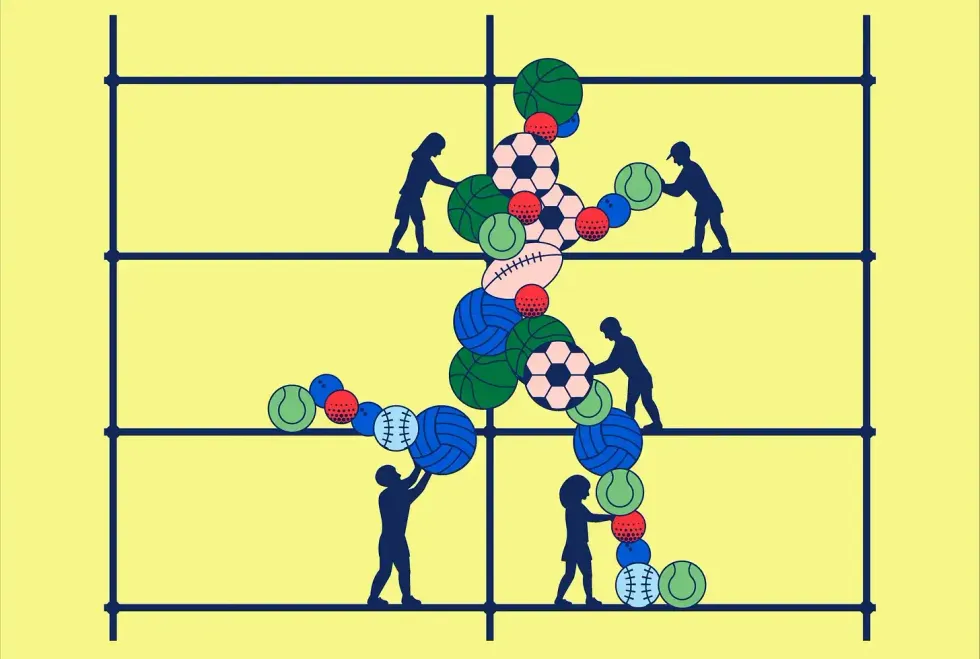 Following our HWF Civic Futures kickoff last week with Eric Liu, our design partners at Public/Official have created a unique visual to capture the “civic scaffolding” spirit of this conversation.
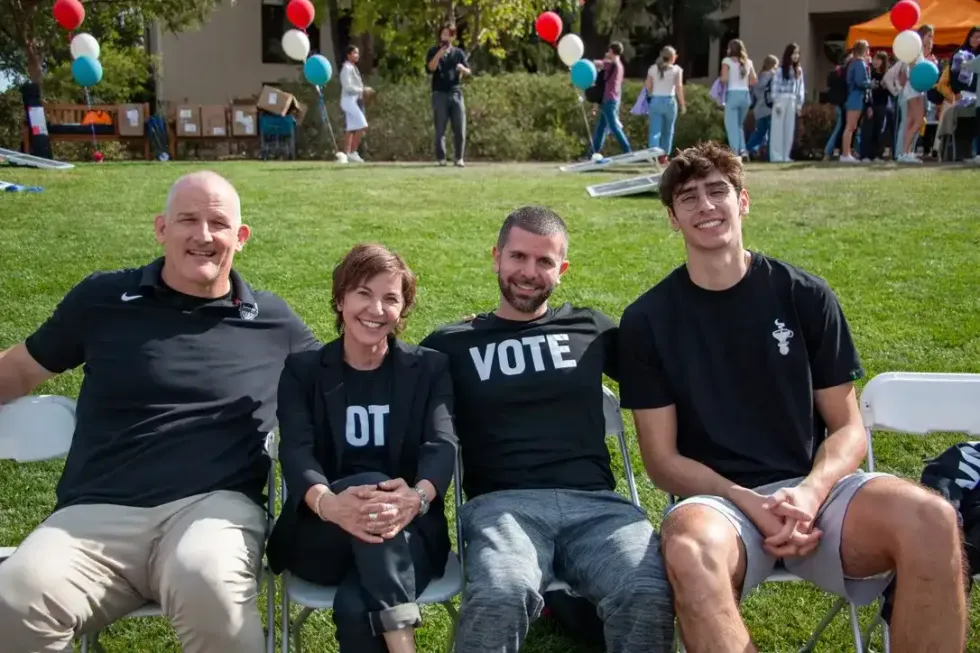 Lisa, Coaches Rev and Matt Elkin, and former Stanford Men’s Basketball star Maxime Raynaud at Stanford’s “All Vote No Play” Democracy Day, 2025