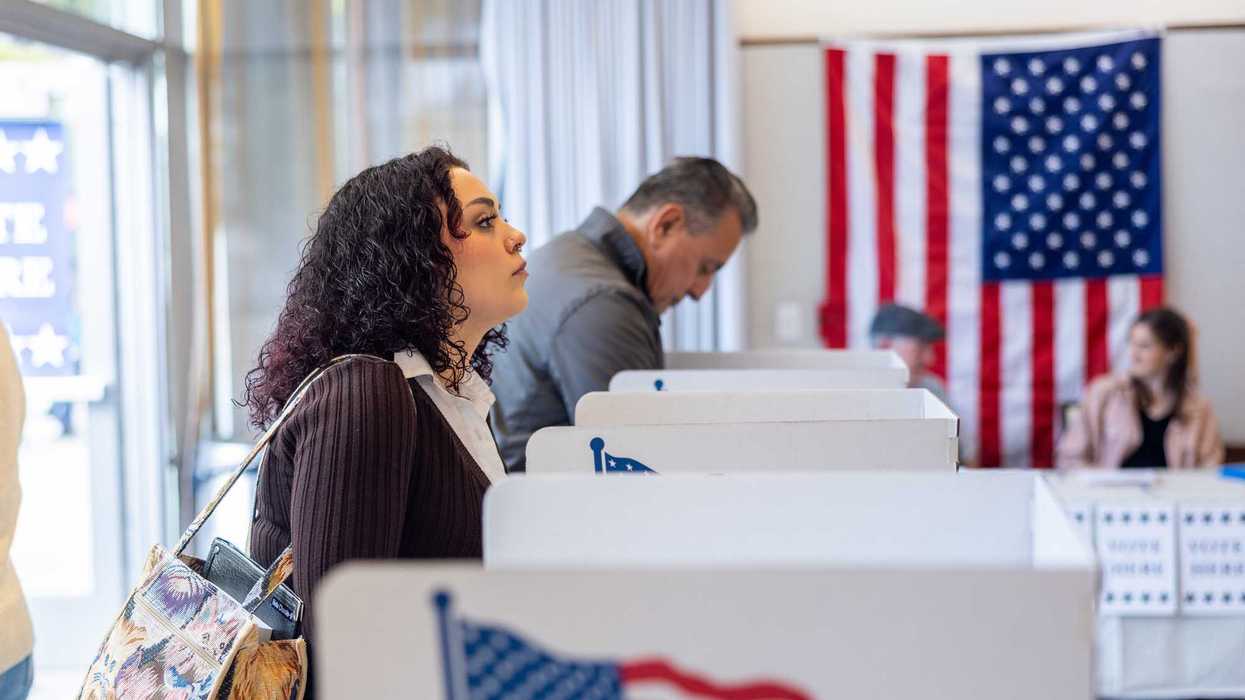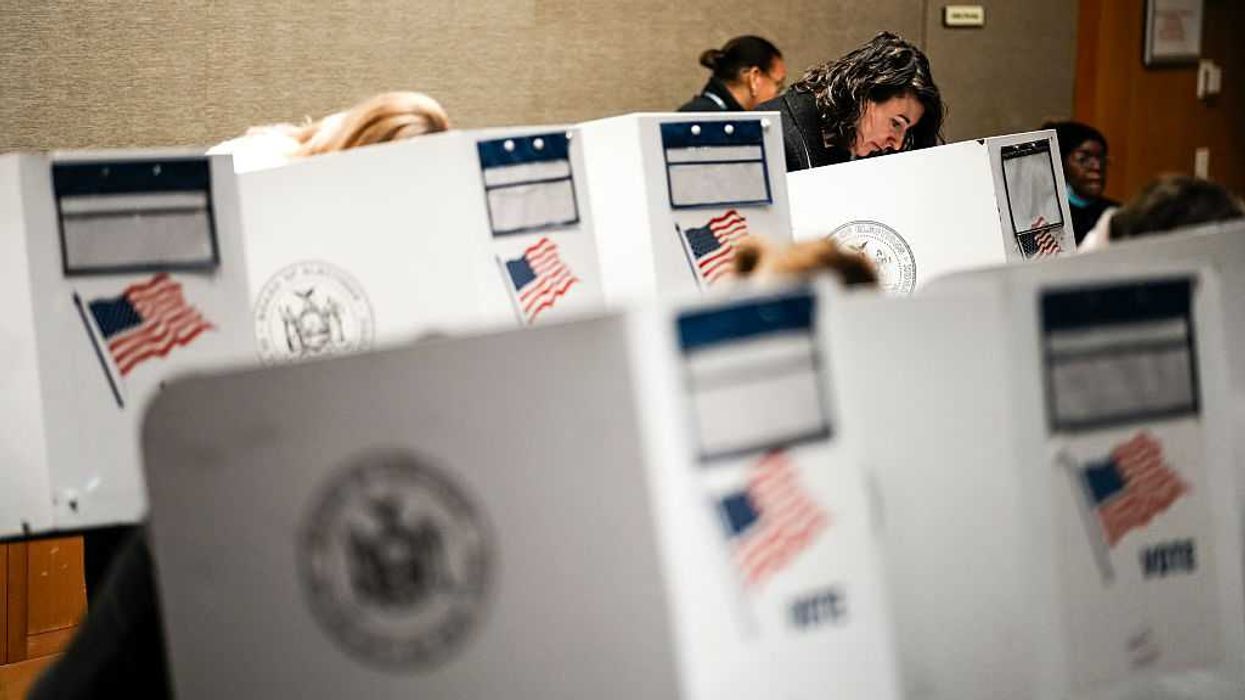

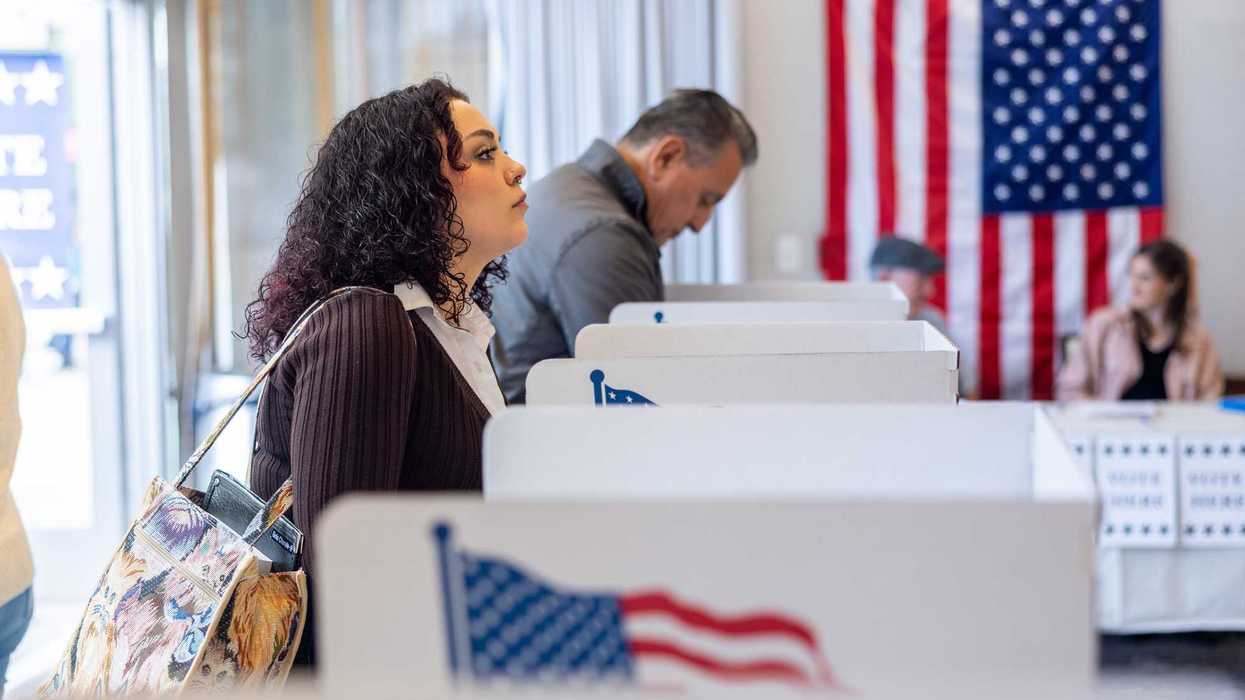

In a couple of weeks, another election will be behind us. Some people will be delighted, others disappointed, and nearly everyone will appreciate a little less political advertising. We'll spend a few days talking about what happened, why it happened, and what it means for the future. Then most of us will get back to our lives, leaving the people we've elected to get on with the business of governing.
Which is understandable, except that we've developed a rather strange habit of treating the decision about who gets power as though it's the most important part of what happens next.
We've spent centuries expanding and protecting our right to choose our representatives, and for good reason. But somewhere along the way, the act of choosing became the centerpiece of political participation. We spend an enormous amount of time learning what candidates believe, what they stand for, and what they promise to do. We argue about their character, their judgment, and occasionally whether something they said twenty years ago reveals who they really are today.
What we spend considerably less time doing is figuring out how we're going to judge their performance once they're in office.
I've spent more than 25 years working in technology and healthcare, much of it trying to understand why organizations struggle to deliver what they intended. It's rarely as simple as someone having a bad idea or not working hard enough. Often the people involved didn't have the authority they needed, the plan depended on things nobody controlled, or everyone was so focused on completing activities that they lost sight of what was supposed to improve.
Political promises aren't all that different, although we seem remarkably willing to accept less detail about them.
Consider a candidate promising to lower healthcare costs. It's an appealing promise, particularly if you're struggling with premiums, deductibles, or the prospect of getting sick. But what exactly is being proposed? Which costs are supposed to decline, and for whom? What authority would that officeholder actually have to make it happen? A senator might help change federal law or funding, but can't simply instruct hospitals and insurers to charge less. That doesn't make the promise meaningless, but it certainly makes the plan behind it worth understanding.
And if the candidate wins, shouldn't we eventually return to those questions? Not merely to see whether legislation was passed or money was allocated, but whether the intended improvement happened.
This gets complicated, of course. Circumstances change, legislation requires compromise, and even well-designed policies sometimes produce unexpected results. There are also plenty of worthwhile things elected officials accomplish that weren't part of their campaigns. Judging performance fairly requires acknowledging all of that. But complexity shouldn't become an excuse for avoiding the conversation altogether.
Nor does accountability have to mean finding someone to blame. Sometimes a promise was reasonable, the effort was genuine, and the outcome disappointing. That's worth understanding. Sometimes a politician takes credit for an improvement that had little to do with their decisions. That's worth understanding, too. And sometimes the results are genuinely good, even if they came from someone we didn't vote for. We ought to be able to recognize that without feeling we've betrayed our political identity.
I wonder what would happen if more of us kept track of just one or two things that mattered to us during an election. Not every campaign promise or legislative vote, just the commitments that helped shape our decision. We could revisit them periodically, ask what had actually been attempted, what stood in the way, and whether anything measurable had changed. We might even ask someone who voted differently what they were hoping to see happen.
I suspect we'd find more common ground in those conversations than we do arguing about the candidates themselves. We might disagree about the solutions, but still agree that a promise should come with some explanation of how it can be accomplished, and that good intentions deserve to be followed by evidence of results.
None of this requires us to become policy analysts or spend our evenings reading congressional reports. It does require a little curiosity and a willingness to look beyond the next campaign. Politicians respond to what we pay attention to, and we've become very good at paying attention to elections.
The election will end, as elections always do. We'll have made our choices and given people considerable power to act on our behalf. What happens with that power is the part of the story we should probably be paying more attention to.
After all, caring about what someone promises is one thing. Caring enough to find out what happened is another.
Robert Bates is the author of We the People… Are Bad at This: A Declaration for Better Judgement about Power, Promises, and Progress. He has spent more than 25 years working in technology and healthcare, examining the relationship between intentions, decisions, and outcomes.