




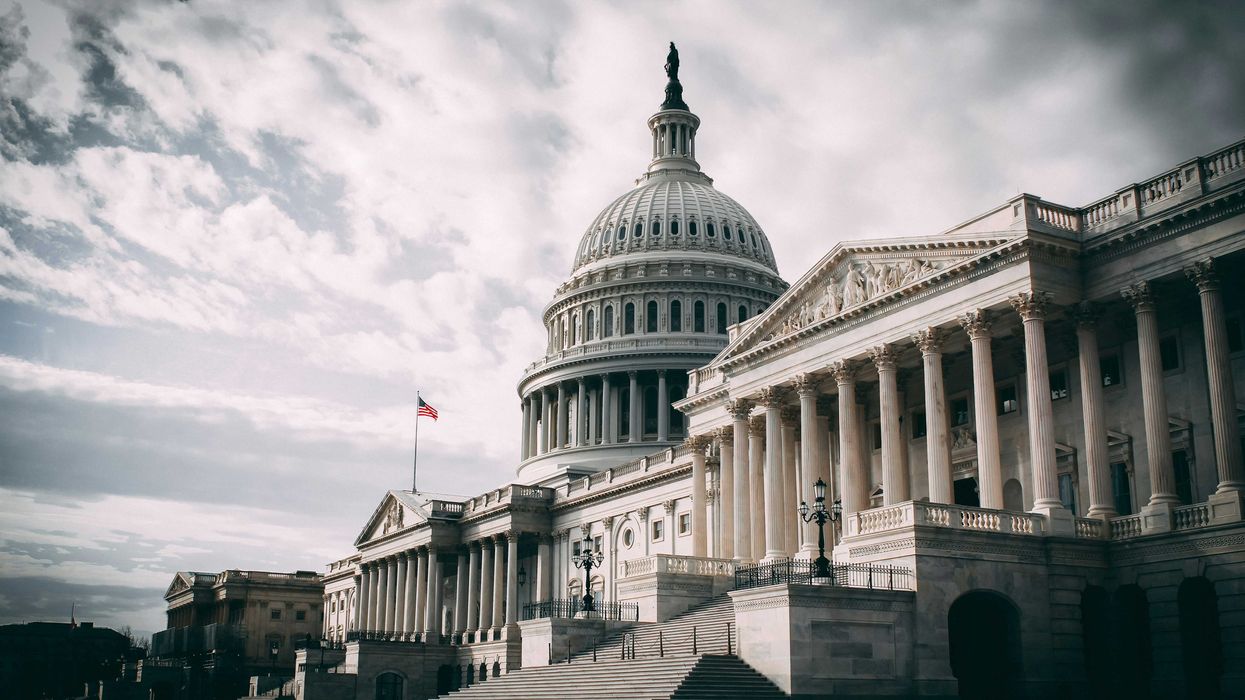

Americans are not confused. We are exhausted.
We’ve watched a Congress that no longer works, a Supreme Court that often ignores its own ethical obligations, and a Justice Department hesitant to enforce the laws it was created to uphold. Leaders promise to serve the people — yet spend their time serving donors, factions, and themselves.
And here is the question no one in Washington seems brave enough to ask:
How long can a democracy survive when its leaders stop listening — and when the citizens who elected them stop demanding accountability?
Families are paying more for groceries. Healthcare feels fragile. Schools struggle. Public trust in government is near historic lows — just 20% of Americans approve of Congress’s performance.
Yet many voters shrug when officials break the law, mislead the public, or abandon their constitutional duty. Some do not vote at all — then express outrage at the consequences of their own inaction.
Democracy cannot function when citizens tolerate corruption or remain silent.
Nothing illustrates this moral collapse more vividly than January 6 — the day the U.S. Capitol, the heart of our democracy, was attacked. Police officers were beaten. The peaceful transfer of power — our most sacred civic ritual — was threatened. Speaker Nancy Pelosi led the House through the crisis, while then‑Representative Mike Johnson reportedly worked behind the scenes with loyalists to keep President Trump in power. Some members of Congress minimized the attack; others defended the rioters. Millions of voters ignored who was responsible. The country watched in disbelief.
After his first impeachment, Senator Susan Collins said she believed President Trump had “learned his lesson.” But he hadn’t. He did it again — abused his power, incited violence, and continues to defy the rule of law.
And this time, he did so with the tacit support of the highest court in the country.
The Supreme Court has refused to enforce clear ethical standards, declined to recuse justices with glaring conflicts of interest, and delayed rulings that could have protected the integrity of our elections.
Meanwhile, those who tried to hold Trump accountable — leaders like former Rep. Liz Cheney and former Sen. Mitt Romney — were penalized. Cheney lost her leadership role and her seat. Romney chose not to run again, citing the toxic political climate.
Where was the courage to do the right thing?
Those who incited violence were later pardoned or had their sentences reduced. Their victims — the officers who were beaten, the staffers who hid in fear, the lawmakers who fled for their lives — were victimized again.
Our system of accountability is broken. And it is deeply frustrating.
Where are our checks and balances when the most powerful can lie, incite violence, and walk away untouched? Right now, Congress and the courts are failing to exercise those powers at all. Justices accept gifts from billionaires and refuse to recuse. Members of Congress skip votes and dodge oversight without consequence.
True service means listening to the people, conducting audits, acknowledging failures, and collaborating across party lines. Leaders must remember they legislate for Republicans, Democrats, and Independents alike — not for factions or donors. Transparency is not optional: budgets, proposals, and votes must be open to the public. Ethical standards must be enforced through codes of conduct, whistleblower protections, and independent oversight. Congress must use its checks and balances responsibly, safeguarding free and fair elections from interference. Leaders must cut out obstruction and partisan theater that wastes time and erodes trust. These are not radical demands — they are the basics of ethical leadership.
When citizens stop paying attention — or stop believing their voices matter — democracy suffers.
Trust collapses. Laws are bent. Courage is punished. And the people are left with leaders who serve themselves.
Accountability takes courage — and too many leaders lack it.
They fail to hold themselves accountable when they break promises, skip votes, or betray the public trust. They fail to hold each other accountable when colleagues lie, incite violence, or abuse power.
Instead of consequences, there are excuses. Instead of courage, there is complicity.
Accountability is not cruelty. It is clarity. It is the foundation of trust. And without it, democracy cannot survive.
Throughout my career in public education, accountability has made me stronger. Accepting responsibility for my failures was tough, but it paid off. It built trust. It built integrity. And it reminded me that leadership is not a performance — it’s a promise.
I wrote to my former representatives while they were still in office — urging them to vote in the best interest of our community. They didn’t. One knew she couldn’t run again — voters in our district had seen enough. Another lost public support for breaking promises. These were not partisan disagreements. They were failures of trust.
That’s why I check roll calls and track votes. I ask others to do the same — even family members in other states. But too often, they don’t. They complain, but they don’t engage.
This is how democracy erodes — not just through bad leadership, but through public disengagement.
Americans must not give up. We must pay attention. We must demand better — and reward those who lead with courage and conscience.
I understand why some people stay silent. In today’s climate, speaking up can be risky — especially in my state. Some threaten, intimidate, or try to silence voices that challenge power. But I write because this moment is too urgent to ignore.
I applaud my nephew in Georgia, who shows up at rallies, town halls, and meetings with leaders. He reminds me that courage is contagious. We don’t get discouraged. We know that our voices matter — for our children, our grandchildren, and the future of this country.
Silence is not an option.
Democracy demands participation. Accountability demands courage. And the future demands that we speak.
Call to Action
If you care about this country — speak up. Write your leaders. Check their votes. Share the truth. Hold them accountable. And never forget: democracy only works when we do.
Encourage leaders to compromise, collaborate, listen to the voices of the people, and hold themselves accountable for keeping their oath.
They want power. But it is time that Americans demand accountability.
Carolyn Goode is a retired educational leader and advocate for ethical leadership and health care justice.



 Ben Droz
 Ben Droz






The President Invited Iran to Bomb My Home