


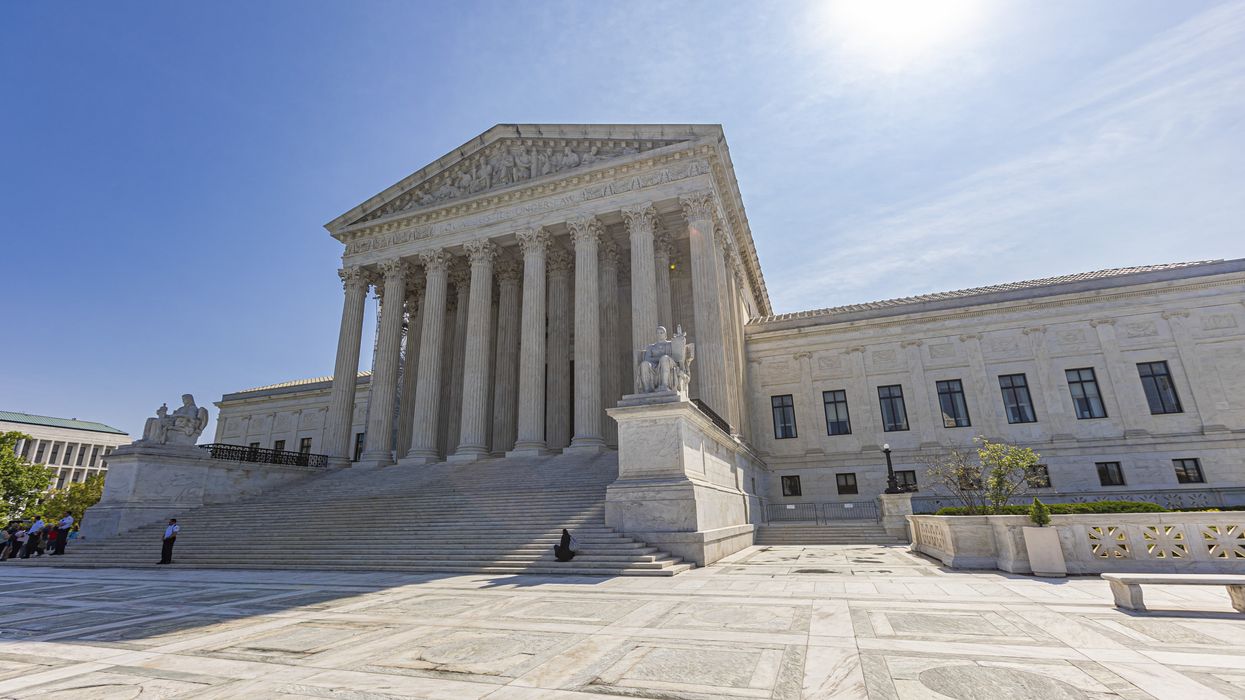

The Supreme Court’s decision striking down the administration’s sweeping global tariffs was one of the most consequential rulings of the year. In a 6–3 opinion, the Court held that the president had exceeded his authority by invoking the International Emergency Economic Powers Act to impose broad taxes on imported goods, a power the Constitution “very clearly” assigns to Congress.
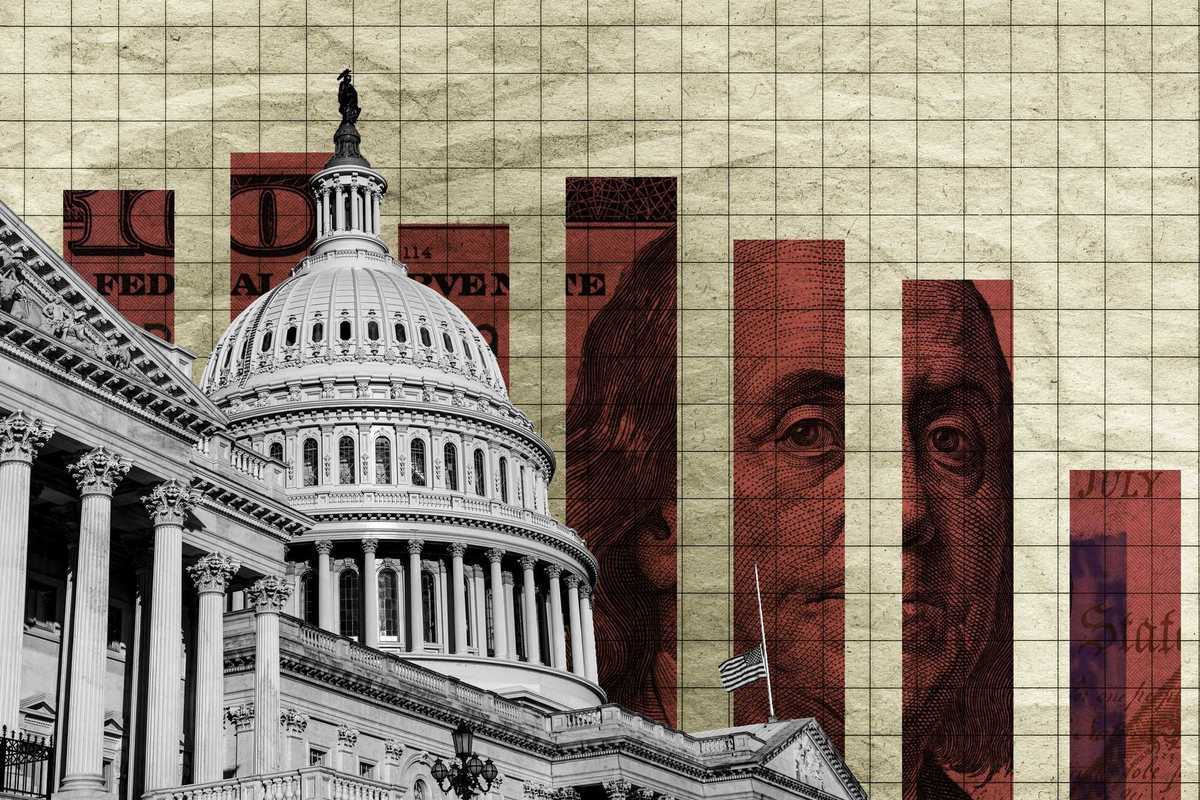
The immediate effect of the ruling is likely to be felt by consumers, businesses, and the wider economy. For consumers, the decision could lower prices on a range of imported goods that had become more expensive under the tariffs. Businesses that rely on international supply chains may see reduced costs and greater predictability, making it easier to plan and invest. At the same time, industries that benefited from tariff protections could face increased competition from abroad. The broader economic impact includes potential adjustments in trade relationships and market stability, as well as the possibility that the government will need to refund billions of dollars in tariff revenue.
Chief Justice John Roberts wrote that the statute at issue “does not authorize the President to impose tariffs,” reaffirming that emergency powers cannot be stretched to bypass Congress on matters of taxation. The ruling immediately halted a major pillar of the administration’s trade agenda and raised complex questions about billions of dollars in tariff revenue that may need to be refunded.
The reaction inside the White House was quick, intense, and unsurprising. According to multiple reports, the president called the ruling a “disgrace” during a meeting with governors, saying he had a “backup plan” and expressing anger toward the courts. At this time, it is unclear what specific measures the president’s 'backup plan' might involve. White House officials have not provided details, leaving open whether he intends to pursue new executive actions, seek legislative support, or challenge the ruling through other legal channels. He reportedly cut short the meeting after receiving the news, telling aides he needed to work on his response. In public remarks later today, he condemned the decision as “terrible” and “totally defective,” and said he was “ashamed of certain members of the court.” He went further, singling out Justices Neil M. Gorsuch and Amy Coney Barrett, both appointed during his first term, calling them “an embarrassment to their families.” Elsewhere, he dismissed those who ruled against him as “fools and lap dogs” and “slimeballs.” These personal attacks on members of the highest court underscore how Trump's disagreement is recast not as a constitutional process but as a personal betrayal.
These statements fit a pattern the country has seen before: when institutional checks assert themselves, the reply is not acceptance, but escalation. For example, following the Supreme Court's 2017 decision blocking the initial version of the travel ban, the administration swiftly denounced the ruling and sought alternative paths to achieve its goal. Similarly, in 1974, after the Court unanimously ordered President Nixon to release the Watergate tapes, there were immediate and intense reactions from the White House and its supporters. Judicial review becomes an obstacle. Constitutional limits become an affront. And the public is pulled once again into a cycle where outrage eclipses understanding, and the noise of the moment drowns out the quiet, essential work of self‑government.
But this is precisely where our attention and our civic courage matter most. A democracy cannot function if its institutions are treated as enemies. It cannot endure if constitutional boundaries are seen as inconveniences. And it cannot thrive if every ruling, every check, every limit is met with a performance designed to inflame rather than inform.
The antidote to this cycle is not more outrage. It is clear. It is steadiness. It is the willingness to say that the separation of powers is not a technicality; it is the moral architecture of a free society. We must remember that the separation of powers is not a technical detail but the moral backbone of a free society. When the Court rules, it is not picking sides but upholding its duty. If leaders answer with anger, the task of holding steady falls to journalists, citizens, and civic institutions. We must keep the frame steady.
When the Court rules, it is not taking sides; it is doing what the Constitution asks of it. And when leaders respond with fury rather than respect, the responsibility falls to the rest of us to respond appropriately
Concrete actions matter. We can support institutional respect in practical ways: by calmly engaging in public conversations, correcting misinformation when we see it, and seeking out and sharing reporting that explains, rather than inflames, the issues at stake. Citizens can write to elected officials calling for thoughtful discourse about court decisions, attend local forums to foster civil discussion, or encourage civic education in schools and communities. Each of these efforts, however small, helps keep democracy's framework intact.
We can choose to see these instances not as episodes in a never‑ending drama, but as reminders of what is at stake. We can choose to raise the stories that call us back to our better selves — the citizens who show up with fortitude, the institutions that hold firm, the communities that refuse to be divided by spectacle.
Concrete actions matter. We can support institutional respect in practical ways: by calmly engaging in public conversations, correcting misinformation when we see it, and seeking out and sharing reporting that explains, rather than inflames, the issues at stake. Citizens can write to elected officials calling for thoughtful discourse about court decisions, attend local forums to foster civil discussion, or encourage civic education in schools and communities. Each of these efforts, however small, helps keep democracy's framework intact.
Most importantly, we can see these moments not as scenes in a never-ending drama of the Trump administration, but as signals of what truly matters. We can lift up stories that call us to act with integrity: citizens showing resilience, institutions standing firm, and communities refusing to be torn apart by spectacle. Above all, we can keep asking the question that outlasts any single decision or headline: What kind of nation do we want to become?
David Nevins is the publisher of The Fulcrum and co-founder and board chairman of the Bridge Alliance Education Fund.