
For as long as I’ve worked in democracy reform, I’ve watched people use non‑partisan and non‑biased as if they meant the same thing. They don’t. This confusion has distorted how Americans judge the credibility of the democracy reform movement, journalists, and even one another. We have created an impossible expectation that anyone who claims to be non‑partisan must also be free of bias.
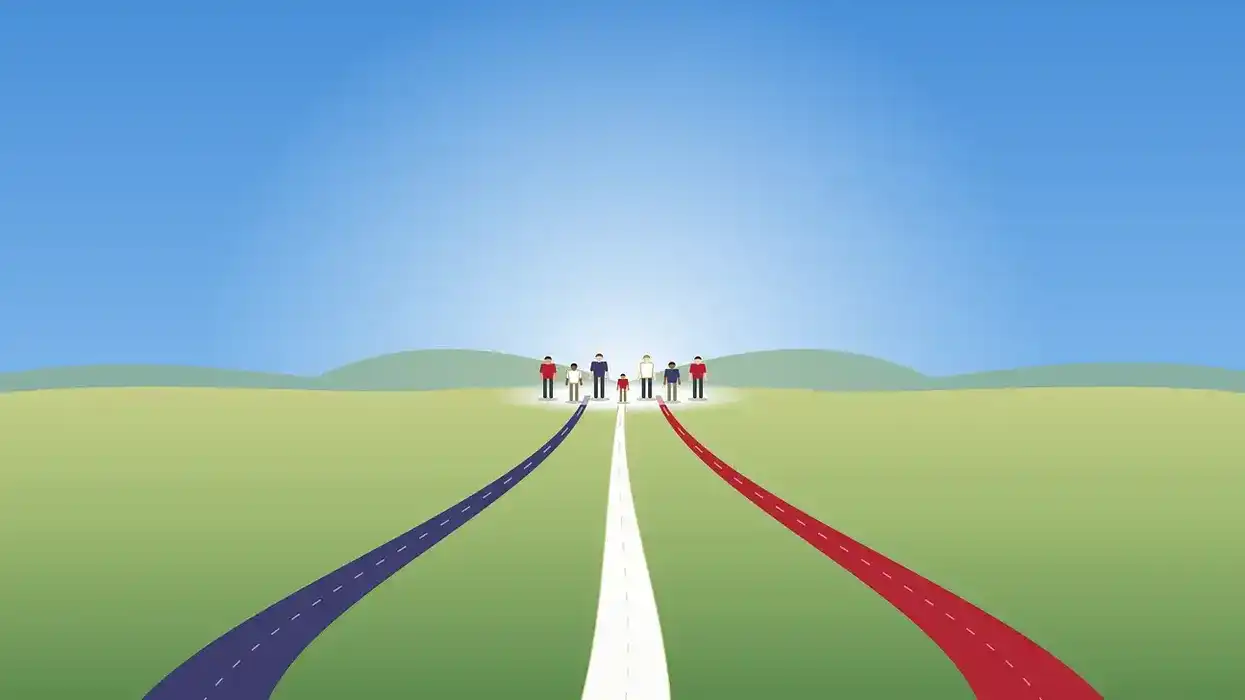
Non‑partisanship, at its core, is not taking sides in political debates or endorsing a party, candidate, or ideology. It creates space for fair, balanced dialogue accessible to multiple perspectives. Nonpartisan environments encourage discussion and explanation of various viewpoints.
Non-partisanship should not be confused with neutrality, which implies a lack of engagement. Neutrality is like the umpire who simply calls balls and strikes. By contrast, nonpartisanship is like a mediator who brings both teams together for active engagement on important issues, balancing the goal of finding common ground to solve problems.
The two operate on different planes, and understanding the difference is essential if we want to rebuild trust in our civic life.
Bias, on the other hand, is not a choice. It is the sum of your experiences, values, education, fears, hopes, and identity. It shapes what you notice, what you ignore, what you believe is urgent, and what you believe is possible. Bias is not inherently negative; it is simply the perspective through which each of us sees the world. The danger is not in having bias. The danger is in pretending we don’t.
Yet in American public life, we routinely collapse these two concepts. We expect non‑partisan organizations to behave as if they are neutral, blank‑slate observers. We expect journalists to write as if they have no worldview. We expect reformers to speak as if they have no personal history. And when they inevitably reveal a preference, a value, or a perspective, they risk being accused of violating their non‑partisan commitments.
This is a fundamental misunderstanding. Non‑partisanship does not require neutrality. It requires fairness and independence. It requires a willingness to evaluate ideas, behaviors, and institutions on their merits rather than their partisan utility. But it does not require erasing one’s biases; it requires understanding how they affect decision-making.
The most trustworthy non-partisans are often those who are transparent about their biases. They don’t pretend to be above the fray. They acknowledge the biases through which they see the world, then test their biased assumptions to ensure their personal preferences do not distort their institutional commitments. This is especially important in democracy reform, where the work is inherently value-laden. When we advocate for fairer elections, more accountable institutions, or a healthier political culture, we are not operating from a vacuum. We believe democracy works best when power is constrained, because checks and balances reduce abuse and encourage trust in the political system. We believe citizens must be informed, since an educated electorate leads to higher participation and fact-based decision-making at the ballot box. We insist that leaders need to be accountable because transparent oversight and consequences for misconduct yield less corruption and more responsive governance. These are values that mold our priorities. But they are not partisan.
The same is true in journalism. A reporter may have personal views about climate change, immigration, or voting rights. Those views do not automatically compromise their work. What compromises their work is the failure to be aware of those views, to disclose relevant conflicts, or to apply consistent standards. The expectation should not be that journalists have no biases, but rather that they manage them with discipline and transparency.
The irony is that the loudest accusations of “bias” in public life often come from people who are themselves deeply partisan. They wield the word as a weapon, not as a call for fairness. They demand neutrality from others while exempting themselves from the same standard. This double standard runs deeper than we admit. Let’s ask ourselves honestly: When have you expected flawless impartiality from another person or institution, while quietly believing your own preferences are justified? When have you demanded purity from others while guarding your own biases? Asking ourselves these questions can push us toward self-accountability, motivating us to recognize that admitting one’s biases should be treated as a sign of integrity, not a confession.
We should stop punishing people for having biases and start rewarding them for being honest about them. The health of our democracy depends not on eliminating bias, but on managing it responsibly. In my own work, whether through Bridge Alliance or The Fulcrum, I have learned that the most effective teams are not those that pretend to be bias-free. They are the ones who develop self-awareness, ask hard questions of themselves, invite challenges, and design processes that reduce the influence of individual blind spots. They build cultures in which transparency is a strength, not a vulnerability.
If we want a healthier democracy, we must stop demanding that people be unbiased and start asking them to be accountable. The health of our democracy depends on our ability to do both with humility, clarity, and devotion to finding the common good.
So allow me to leave you with a concrete invitation: What is one step you can take tomorrow to manage your own bias more responsibly, whether in your conversations, your work, or your civic life? Is it choosing a simple action, expressing your viewpoint transparently, inviting feedback from someone with a different view, or reflecting before reacting to disagreement?
By turning reflection into a commitment, you can help build the culture of confidence and responsibility that our democracy needs.
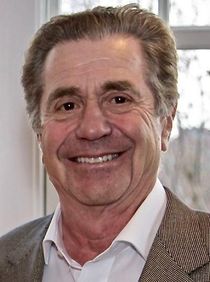
David Nevins is the publisher of The Fulcrum and co-founder and board chairman of the Bridge Alliance Education Fund.