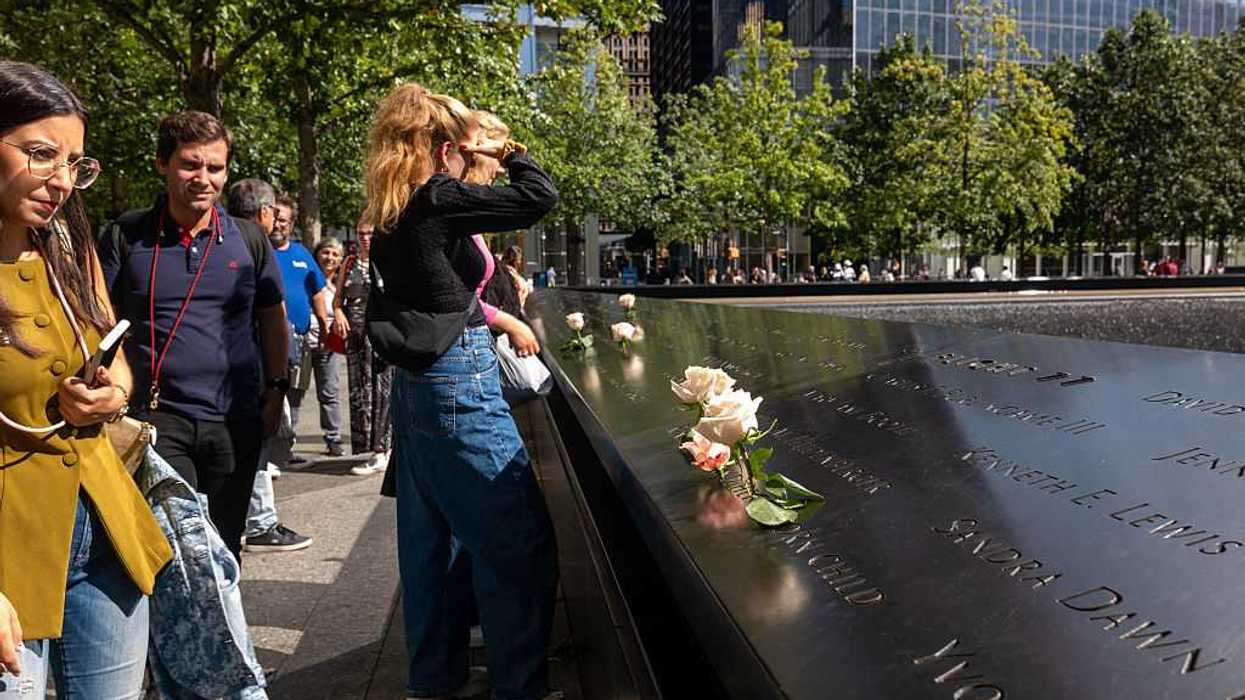
After the smoke cleared from the September 11, 2001, attacks, New York City faced the immense task of rebuilding.
Why is this story relevant today?
The question New Yorkers faced after 9/11—who determines our collective future—remains central to the challenges confronting America today.
In the months following the attacks, after the debris was cleared and the initial shock subsided, New Yorkers faced a fundamental dilemma: What should be built at Ground Zero, and who should decide? Some advocated for rebuilding the Twin Towers, while others insisted the site remain a memorial. The conflict was intense, emotional, and appeared irreconcilable.
In response, “THE LOWER MAHATTEN DEVELOPMENT CORPORATION” undertook an unprecedented initiative. It convened 5,000 representative New Yorkers for the largest town hall in American history. Expectations were low, with many anticipating discord and disorder.
Instead, a genuine democratic process unfolded.
Despite profound disagreements, New Yorkers listened, deliberated, and ultimately reached consensus on a plan that commemorated the deceased, honored survivors, and reflected the community’s collective will.
This outcome hinged on a single catalytic event: a gathering that united individuals in an unexpected and transformative manner.
The result was both constructive and deeply meaningful. This experience offers a lesson for a nation grappling with division: meaningful democratic outcomes depend on robust democratic processes.
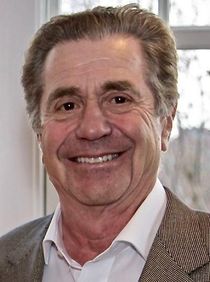
Carolyn Lukensmeyer played a central role in this process as the architect of Listening to the City, the 2002 public forum that empowered thousands of New Yorkers to influence the future of Ground Zero. The event led to significant changes: participant feedback shaped the final design to include both the Memorial and the Museum, guided the integration of green space, and ensured that victims’ families and the broader community were honored throughout the rebuilding process. This initiative not only transformed the physical site but also established a benchmark for public decision-making in cities nationwide. As a nationally recognized leader in democratic innovation and founder of AmericaSpeaks, Carolyn has advised cities, states, federal agencies, and international institutions on effective public engagement.
View the official trailer and consider the following:
What might be possible if towns, cities, and states across America adopted this approach to constructive dialogue in addressing their most challenging issues? For community leaders or individuals seeking to foster collaboration, the following steps are recommended: invite a small, diverse group of community members for an initial discussion; identify a pressing local issue; establish ground rules that promote respectful listening; and seek assistance from a trained facilitator or an organization experienced in open dialogue. The initial step is to gather and listen. Subsequently, partners can be enlisted, a neutral venue secured, and a broader range of participants invited. Even a straightforward, honest conversation can initiate meaningful progress.
On May 21 in Cape May, New Jersey, the Cape May Point Arts and Science Center will present “9/11: Reclaiming Ground Zero.” The event will include a full one-hour screening of the documentary, followed by a discussion with the filmmakers and leaders in democratic innovation, an audience Q&A session, and a closing reception.
If you are interested in organizing a similar event in your community, please contact Josh Sabey co-founder of Matters Media at js@mattersmedia.orgDavid Nevins is the publisher of The Fulcrum and co-founder and board chairman of the Bridge Alliance Education Fund.