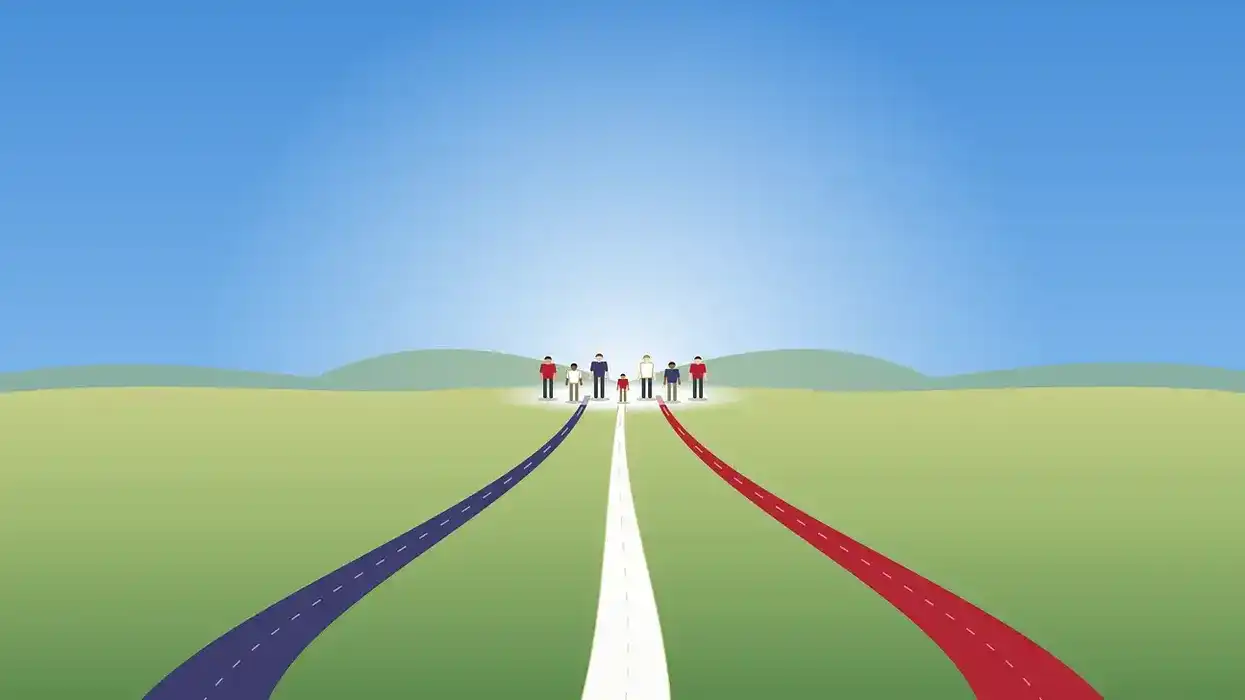
For far too long, our national conversation has been framed around a false choice. On one side, Republicans frequently argue that the best way to strengthen the economy and improve the lives of everyday Americans is to give businesses maximum freedom by having fewer rules, fewer constraints and more incentives to grow. On the other side, Democrats have stressed the need for guardrails to protect our environment, our health, and our communities from the unintended effects of unchecked growth.
But this debate has always been too narrow. It assumes that we must choose between action and accountability, between getting things done and doing them responsibly.
I don’t believe that. I believe we can have both. In fact, I believe we must have both if we want a strong, durable, and fair economy.
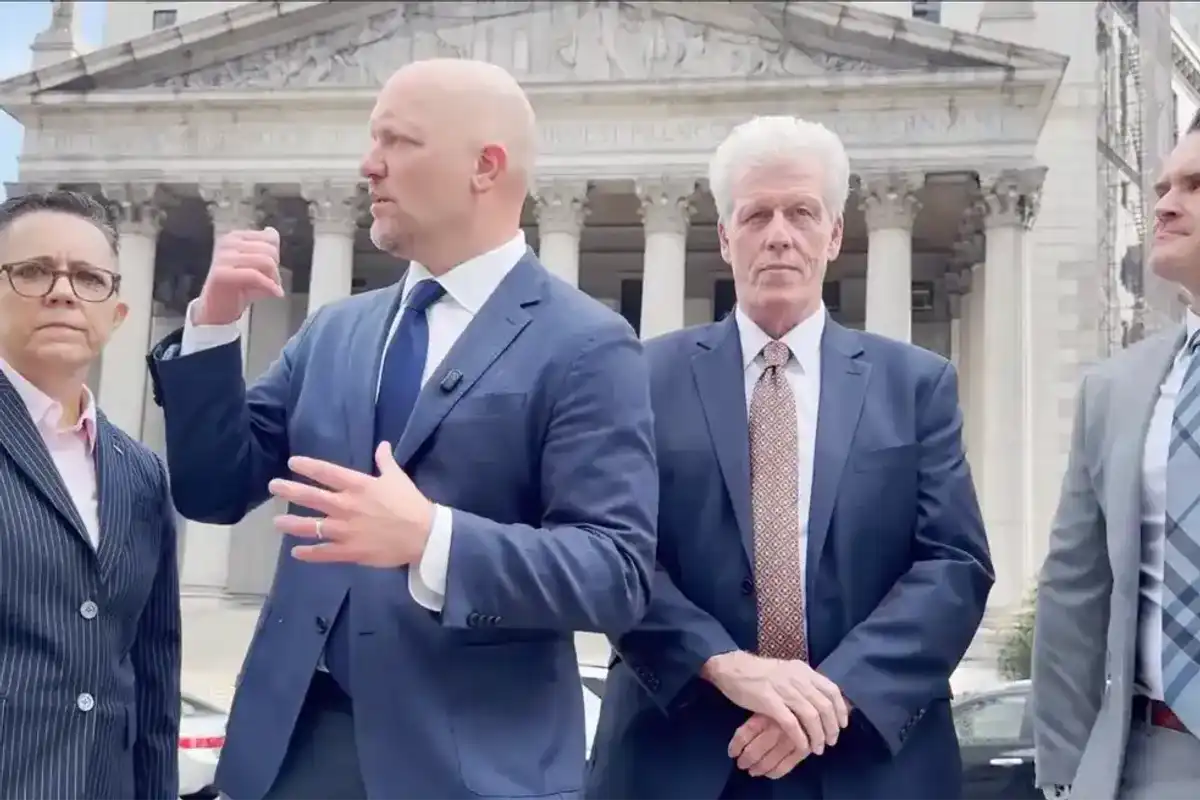
And we are seeing that principle play out right now as Democratic leaders released a detailed set of accountability guardrails for the Department of Homeland Security. Their proposal doesn’t block immigration enforcement. It doesn’t tie the hands of officers or prevent the government from doing its job. Instead, it lays out clear standards, limits on entering private property without a warrant, requirements for officer identification and body cameras, restrictions on enforcement near schools and hospitals, and stronger protections against racial profiling.
In other words: do the job, but do it responsibly. Act, but act with accountability. These are not mutually exclusive objectives.
That same philosophy applies directly to economic policy.
We absolutely should design incentives that encourage businesses to innovate, expand, and create good jobs. But those incentives should be paired with guardrails that ensure companies protect the air we breathe, the water we drink, and the communities where families raise their children. Guardrails should not be obstacles to progress; they should be the conditions that enable sustainable progress ensuring that growth lifts people up rather than leaving them behind or exposing them to harm.
But if we’re going to talk honestly about guardrails, we also have to acknowledge something else: Democrats and progressives have not always gotten this proportion right. Oftentimes, the left’s instinct to protect communities and the environment has sometimes hardened into a reflexive opposition to projects that are, in fact, safe, necessary, and overwhelmingly beneficial.
We’ve seen permitting processes stretch for decades, not because of genuine environmental risks, but because layers of well‑intentioned rules have accumulated into a system that is nearly impossible to navigate. We’ve seen renewable energy projects including wind, solar, and geothermal, stalled by the very constituencies that champion clean energy. We’ve seen transmission lines, housing developments, and public‑health infrastructure delayed or blocked outright, even when the science was clear, and the benefits were substantial.
In other words, the Democrat’s desire to protect people many times morphed into a structure that prevented progress altogether. And that has real consequences: higher energy costs, slower climate action, fewer jobs, and an increasing sense among Americans that the government can’t deliver.
At the same time, it’s important to recognize that Republicans have often erred in the opposite direction. Their focus on economic growth and business freedom has, at times, led to a willingness to overlook or minimize potential harms, whether environmental or public‑health, that can accompany unregulated development. Many Republican leaders have emphasized deregulation as an end in itself, prioritizing short‑term economic gains even when experts and local communities have raised legitimate concerns about pollution, safety, or long‑term environmental damage. This approach, while rooted in a genuine belief in the power of markets, has too often dismissed the real‑world consequences that unrestrained development can have on society
The encouraging news is that Democrats appear to be recognizing a broader change in mindset. It shows a willingness to say: we can act boldly and still protect people; we can move quickly without abandoning accountability; we can simplify without surrendering our values.
If Democrats apply that same philosophy to permitting reform, infrastructure, clean‑energy deployment, and economic development, it could mark a meaningful evolution. It would signal that the party understands that guardrails must guide progress, not suffocate it. And it would show that Democrats are capable of adapting to drawing lessons from past excesses and designing systems that remain both protective and productive.
We should reject the idea that prosperity requires pollution, or that protecting people’s health means stifling opportunity. We should reject the notion that the only way to get things done is to remove every rule, or that the only way to protect people is to stop progress altogether. That is a false choice, and it has held us back for too long.
If we embrace a more balanced approach we can build an economy and a democracy that is strong, fair, and worthy of the generations that will inherit it. This approach has the potential to unite Americans across party lines, reinforcing shared democratic ideals and broadening the message's appeal.
By focusing on common goals rather than partisan divides, we can foster collaboration and collective progress.
David L. Nevins is the publisher of The Fulcrum and co-founder and board chairman of the Bridge Alliance Education Fund.