




When President Donald Trump on the first day of his second term granted clemency to nearly 1,600 people convicted in connection with the Capitol riot on January 6, 2021, Linnaea Honl-Stuenkel immediately set up a Google Alert to track these individuals and see if they’d end up back in the criminal justice system. Honl-Stuenkel, who works at a government watchdog nonprofit, said she didn’t want people to forget the horror of that day — despite the president’s insistence that it was a nonviolent event, a “day of love.”
Honl-Stuenkel, the digital director at Citizens for Responsibility and Ethics (CREW) in Washington, D.C., said the Google Alerts came quickly.
The list eventually became a more formal report, published in December, that identified at least 33 insurrectionists who have been rearrested, charged or sentenced for other crimes since January 6, 2021. The charges range from possession of child pornography to sexual assault, child molestation and aggravated kidnapping. Many incidents occurred before the pardons; only four insurrectionists allegedly reoffended since receiving their pardons.
“I found it really disturbing that the pardons put people on the street again who had been held to account,” Honl-Stuenkel said. “All that was swept away with the stroke of a pen. And that has consequences mostly for the women and children in the orbit of these insurrectionists.”
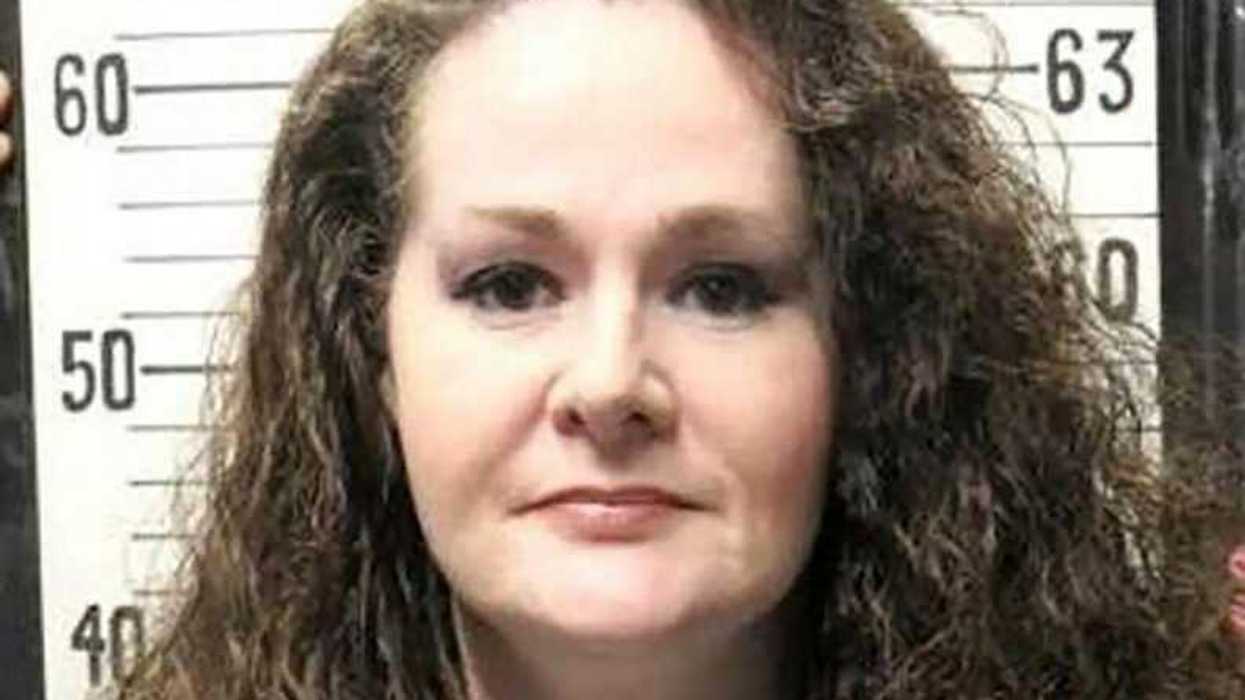
At least six of the pardoned insurrectionists are charged with committing child sex crimes; five were charged with illegal possession of weapons, including two who had previous domestic violence convictions; and two were charged with rape. Among them were John Daniel Andries, a man in Maryland who was sentenced to 60 days in jail in June 2025 after repeatedly violating a peace order, similar to a restraining order, submitted by the mother of his child.
“I was surprised honestly by how fast it all added up,” Honl-Stuenkel said. “I would have thought that people might take this as a chance to reform, but it was demoralizing to get deep in the weeds and see a level of seriousness to these crimes. It really hit home how dangerous the pardons are and the overlap of those committing serious crimes and being at January 6 — it is pretty staggering to me.”
Honl-Stuenkel said it’s likely the number is bigger than 33. The small team of researchers at CREW relied heavily on local news coverage that mentioned defendants who were tied to January 6.
Honl-Stuenkel said she worries that the pardons embolden people to commit more crimes or make people believe they won’t face any consequences as “long as what they do is in service of Trump’s aims."
There are two versions of January 6: one pushed by the president, in which peaceful patriots and heroes were wrongfully treated, and a more violent one, portrayed by thousands of videos taken that day by insurrectionists themselves. Witnesses that day, including women serving in Congress, recall the terror, running for their lives and calling their loved ones to say goodbye.
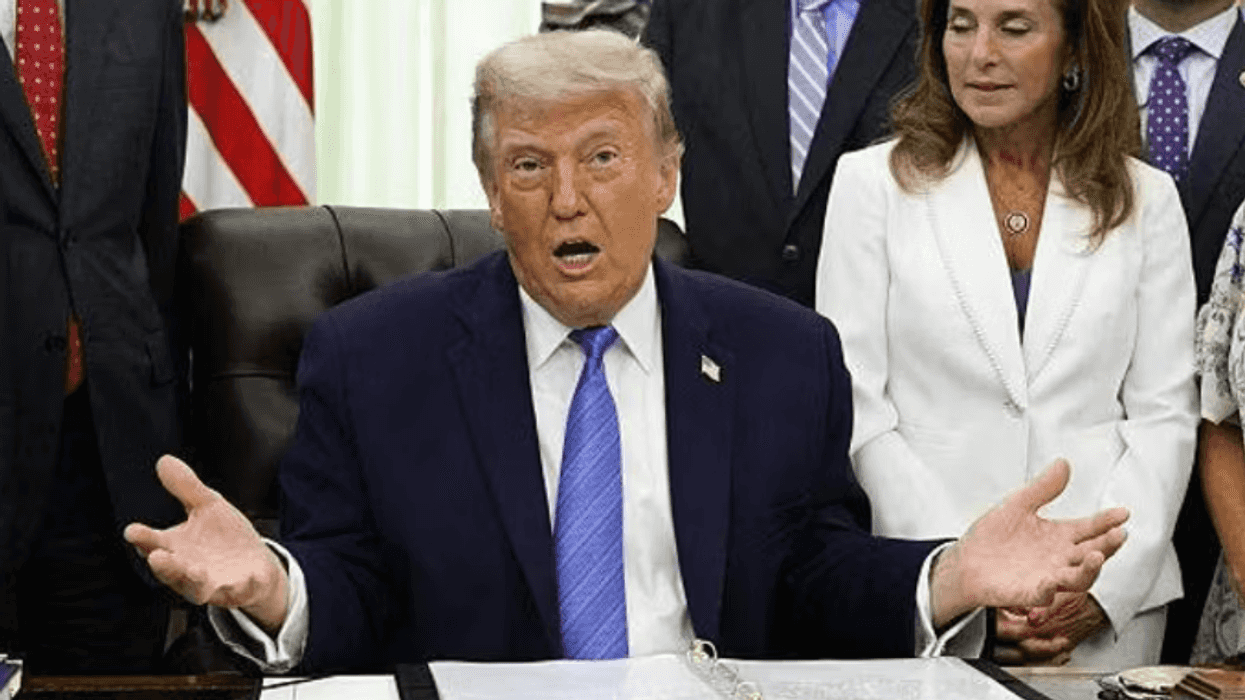
On the campaign trail, Trump referred to those involved with the Capitol riot as “unbelievable patriots” and promised to help them. Shortly after granting them clemency, Trump told reporters on Air Force Once: “What I did was a great thing for humanity. They were treated very, very unfairly.”
Trump’s pardons and commutations largely undo the results of one of the largest criminal probes in U.S. history. The Department of Justice also conducted an investigation that involved over 5,000 federal agents and led to thousands of charges.
The blanket clemency for the Capitol attack and the president’s unwillingness to hold violent actors accountable set a precedent that increases the risk of future political violence — felt most acutely by women. According to a recent survey conducted by the Bridging Divides Initiative at Princeton University, women in local offices reported large increases in hostility in the third quarter of 2025. About 83 percent of women officials — up from 71 percent in the previous quarter — said they were less likely to engage in political or civic activity due to insults, harassment and physical threats.
Shannon Hiller, the executive director of the Bridging Divides Initiative, said she spent the first half of her career working with other countries on how to emerge from conflict. She learned that to build a durable peace and move forward from violence, there has to be an agreement on the basic details of what happened.
“The president’s continued insistence on spreading false narratives about January 6 over the past year — including about very real violence and threats that day — suggest that we are moving even further away from that shared understanding,” said Hiller, who is also a security fellow at the Truman National Security Project.
On the fifth anniversary of the Capitol riot, Trump supporters held a memorial march in Washington, D.C., to honor Ashli Babbitt, a 35-year-old veteran who was the sole rioter killed by police that day. She was shot as she tried to enter the area outside the House chamber, where many members of Congress were, and has since been portrayed as a martyr among Trump supporters. The former leader of the Proud Boys and other pardoned insurrectionists were in attendance at Tuesday’s march.
Susan Benesch, a faculty associate of the Berkman Klein Center for Internet and Society at Harvard University, said that many of Trump’s supporters — beyond just those who were pardoned — saw the pardons as a victory. It’s important for democracy that Americans work to get back to a shared version of reality, which involves continued communication between the two sides.
“The president depicts himself as politically persecuted,” Benesch said. “And for many people who voted for him, his second term is a marvelous triumph because he was persecuted by his political opponents and now he has managed to overcome that and be restored.”
Five Years After January 6, Dozens of Pardoned Insurrectionists Have Been Arrested Again was originally published by The 19th and is republished with permission.







The President Invited Iran to Bomb My Home