



During my time as a Navy pilot, my squadron held focus groups that revealed most women didn’t feel comfortable reporting sexual assault because all our squadron’s Victim Advocates were male. Yet when a female colleague sought certification as a Victim Advocate, our male Department Head called it a poor excuse for missing flight hours. I had been in his focus group and caught him rolling his eyes while sexual assault was discussed. This Department Head had a reputation for being predatory with female junior officers; he had conducted an affair with one on his last deployment and perhaps because he divorced his wife to marry her, questions of adultery and fraternization were conveniently ignored. That did not stop him from continuing to make passes at younger female pilots, but I never felt brave enough to say anything. He is now a Commanding Officer.
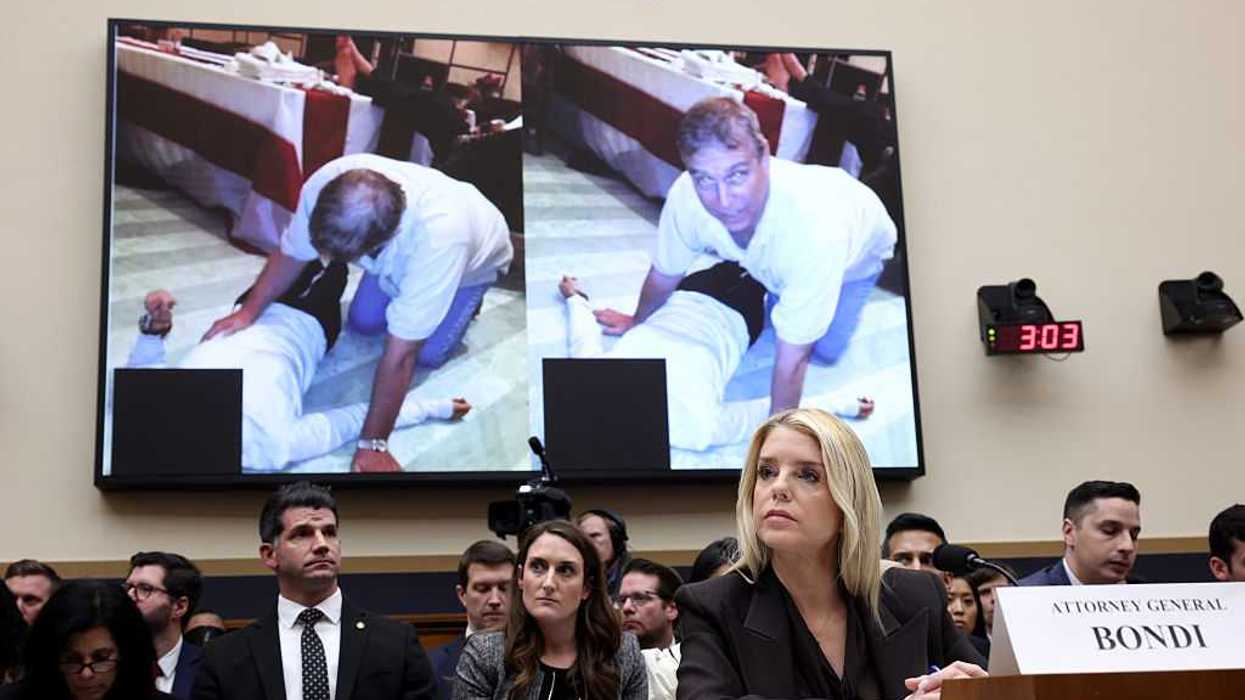
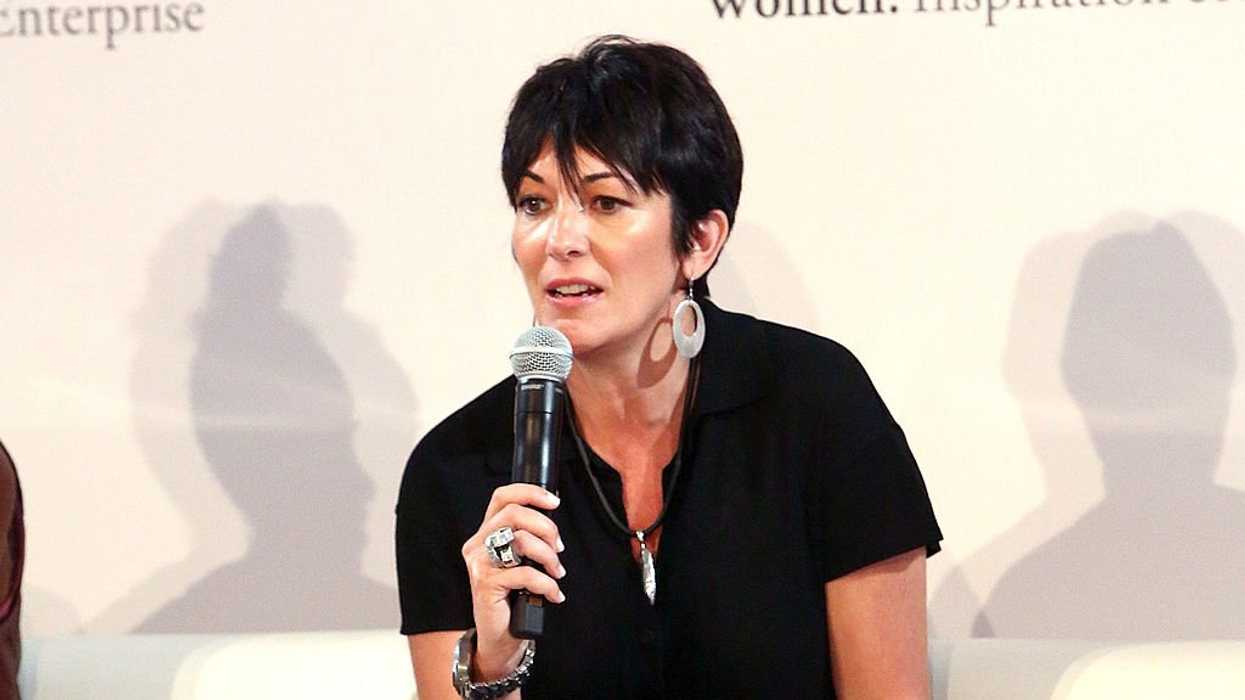
This is not an isolated story of bad behavior but a blueprint for how an abuse of power can occur without consequences. We are watching this same blueprint unfold on a national scale with the agonizingly slow release of the Epstein files, which has been met with a curious, telling silence or outright dismissal from many of the world’s most powerful men. The Epstein files are a schematic of an architecture that allows any villain with enough wealth or influence to operate with impunity–and we are still not even debating the file contents, but whether we will simply see them fully! Many documents remain undisclosed, the release date has long passed, and the DOJ, catastrophically, failed to properly redact the names of victims, which Congressman Raskin calls “either spectacular incompetence and sloppiness on their part, or…a deliberate threat to other survivors who are thinking about coming forward...” When people who speak out see no justice–and often experience the opposite–it discourages others from speaking out. As long as no one speaks out, the abuse continues.
Numerous men with immense influence in our country maintained ongoing relationships with the most notorious pedophile in history, and people at the highest levels of government are working to minimize or excuse that. In 2021, JD Vance tweeted, “Remember when we learned that our wealthiest and most powerful people were connected to a guy who ran a literal child sex trafficking ring? And then that guy died mysteriously in a jail? And now we just don't talk about it.” Now, he sings a new tune and stresses: “President Trump is very much outside of [Epstein’s] social circle.” It sure seems odd that someone whose name comes up more than a million times in the unredacted Epstein files could be considered an outsider.
Nevertheless, it appears the halls of power are crowded with men who belong to a similar social circle. Supreme Court Justice Thomas was accused of sexual harassment by attorney Anita Hill, and Supreme Court Justice Kavanaugh has been accused of sexual assault, too. Matt Gaetz was found by a bipartisan Congressional ethics investigation to have paid a 17-year-old for sex; Trump disregarded these allegations and nominated him to be our Attorney General anyway. Pete Hegseth was accused of sexual assault (he settled for $50,000), plus there are allegations that he sexually pursued female employees at the nonprofit he briefly ran, and even had to be physically restrained from joining dancers at a strip club he had taken his team for an outing. Trump put him in charge of the military, where data consistently shows nearly two-thirds of women who report sexual misconduct experience retaliation, and women are more likely to be raped by a fellow soldier than killed by the enemy. Hegseth has since instituted new reporting rules so backwards that they are likely to silence victims.
These men should be prosecuted, not promoted. When survivors come forward, we have to have their backs, or we risk reinforcing a dangerous system. When I heard about my old predatory boss’s upcoming promotion, I was reminded that he used to pass his phone around at work, sharing pictures of “hot girls” on Instagram with other officers. Even still, I feel too afraid to name him publicly here (though I’d tell you directly). I am inspired by Epstein’s victims’ bravery as they fight for accountability and justice in the face of a president determined to squash this story by any means. We must make it easier to come forward. A full, unimpeded investigation into the Epstein network is an important step.
We must also normalize talking about power and scrutinizing the systems that enable it, from the Justice Department to the Pentagon, from the Oval Office to the deckplates. One day, those who seem beyond reproach will abdicate their thrones, voluntarily or not. We must be mindful, then, that power does not simply shift to others upholding this system. A good litmus test might be to evaluate our leaders on how they are reacting to the Epstein files. So don’t stop talking about them. Demand action. This is indeed a battle for the soul of our nation.
Julie Roland was a Naval Officer for ten years, deploying to both the South China Sea and the Persian Gulf as a helicopter pilot before separating in June 2025 as a Lieutenant Commander. She has a law degree from the University of San Diego, a Master of Laws from Columbia University, and is a member of the Truman National Security Project.








The President Invited Iran to Bomb My Home