



The U.S. Department of Justice has made a partial release of documents from what’s become known collectively as the “Jeffrey Epstein files,” with more to follow at an unspecified time. On a special part of its website that the department titled “Epstein Library,” it lists documents such as court records and records released in response to Freedom of Information Act requests to the government.
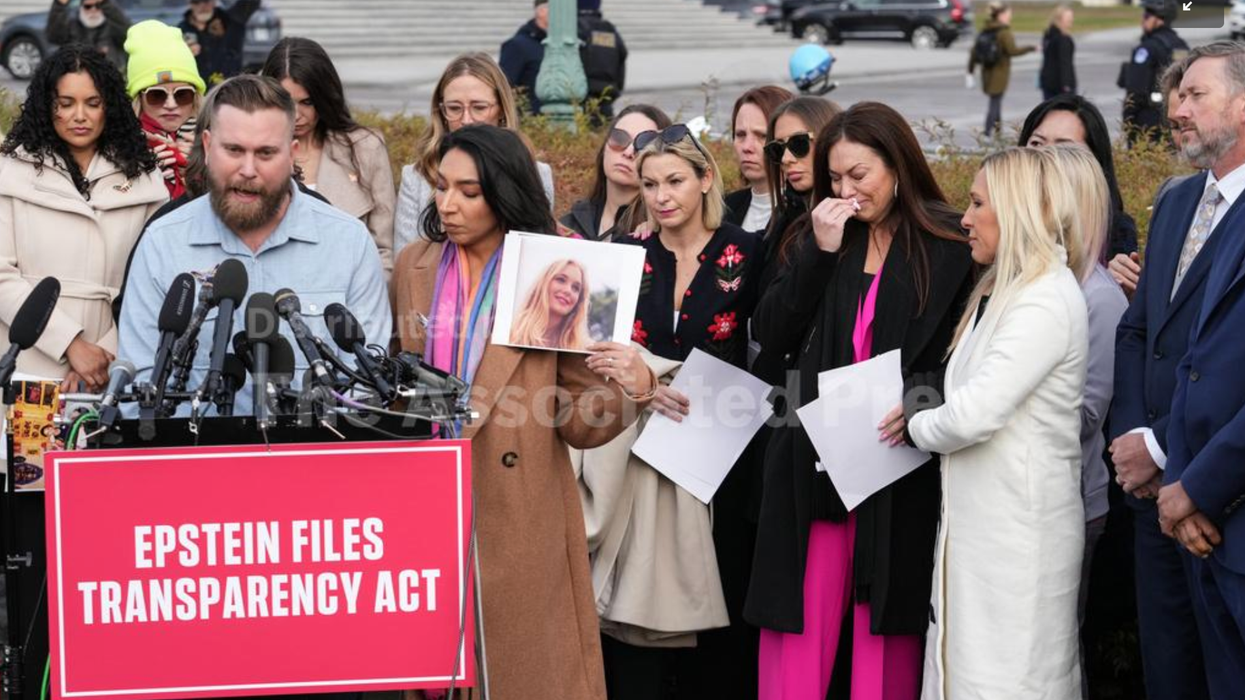
Their release was ordered by Congress in bipartisan legislation passed in November 2025. The deadline imposed by Congress was Dec. 19, 2025, and the Department of Justice met it with the partial release of documents in its possession with eight hours to spare.
Those files will be read, dissected and discussed by politicians and the public and reported on by the news media. It will be the latest eruption in a story that has slipped in and out of the headlines for years, but in a very particular way. Most news articles ask a specific question – which powerful men might be on “the list”? Journalists and the public are watching to see what those documents will reveal beyond names we already know, and whether a long-rumored client list will finally materialize.
Headlines in the past have focused on unidentified elites and who may be exposed or embarrassed, rather than on the people whose suffering made the case newsworthy in the first place: the girls and young women Epstein abused and trafficked.
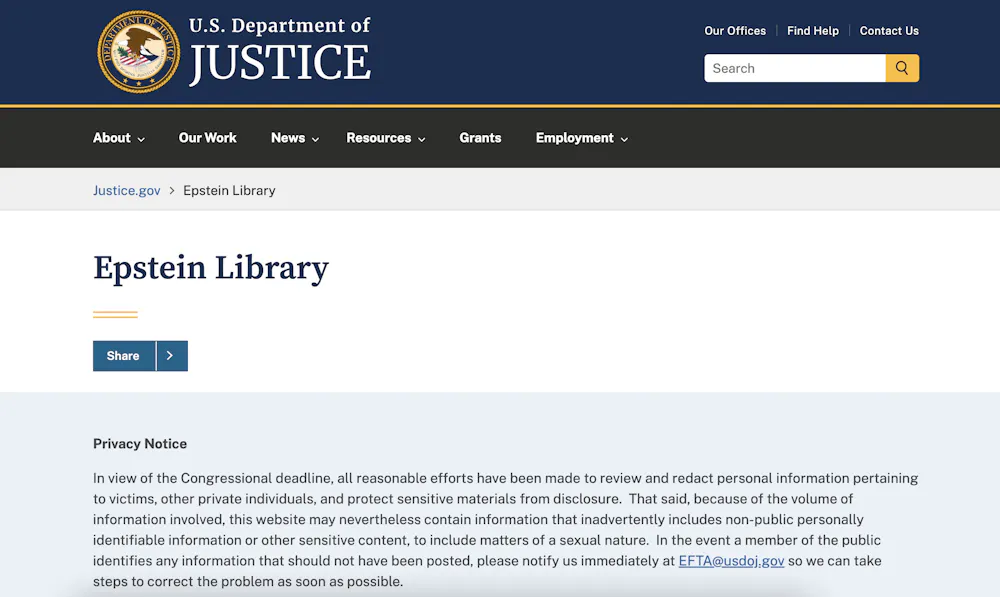
The Justice Department began posting Epstein files late Friday afternoon. Screenshot of DOJ website.
Alongside that, there has been a stream of survivor-centered reporting. Some outlets, including CNN, have regularly featured Epstein survivors and their attorneys reacting to new developments. Those segments are a reminder that another story is available, one that treats the women at the center of the case as sources of understanding, not just as evidence of someone else’s fall from grace.
These coexisting storylines reveal a deeper problem. After the #MeToo movement peaked, the public conversation about sexual violence and the news has clearly shifted. More survivors now speak publicly under their own names, and some outlets have adapted.
Yet long-standing conventions about what counts as news – conflict, scandal, elite people and dramatic turns in a case – still shape which aspects of sexual violence make it into headlines and which stay on the margins.
That tension raises a question: In a case where the law largely permits naming victims of sexual violence, and where some survivors are explicitly asking to be seen, why do journalistic practices so often withhold names or treat victims as secondary to the story?
- YouTube youtu.be
What the law allows – and why newsrooms rarely do it
The U.S. Supreme Court has repeatedly held that government generally may not punish news organizations for publishing truthful information drawn from public records, even when that information is a rape victim’s name.
When states tried in the 1970s and 1980s to penalize outlets that identified victims using names that had already appeared in court documents or police reports, the court said those punishments violated the First Amendment.
Newsrooms responded by tightening restraint, not loosening it. Under pressure from feminist activists, victim advocates and their own staff, many organizations adopted policies against identifying victims of sexual assault, especially without consent.
Journalism ethics codes now urge reporters to “minimize harm,” be cautious about naming victims of sex crimes, and consider the risk of retraumatization and stigma.
In other words, U.S. law permits what newsroom ethics codes discourage.
How anonymity became the norm and #MeToo complicated it
 The anti-rape movement in the U.S. forced newsrooms to revisit assumptions about whose voices should lead a story. Cory Clark/NurPhoto via Getty Images
For much of the 20th century, rape victims were routinely named in U.S. news coverage – a reflection of unequal gender norms. Victims’ reputations were treated as public property, while men accused of sexual violence were portrayed sympathetically and in detail.
By the 1970s and 1980s, feminist movements drew attention to underreporting and intense stigma. Activists built rape crisis centers and hotlines, documented how rarely sexual assault cases led to prosecution, and argued that if a woman feared seeing her name in the paper, she might never report at all.
Lawmakers passed “rape shield laws” that limited the use of a victim’s sexual history in court. Some states went further by barring publication of victims’ names.
In response to these laws, as well as feminist pressure, most newsrooms by the 1980s moved toward a default rule of not naming victims.
More recently, the #MeToo movement added a turn. Survivors in workplaces, politics and entertainment chose to speak publicly, often under their own names, about serial abuse and institutional cover-ups. Their accounts forced newsrooms to revisit assumptions about whose voices should lead a story.
Yet #MeToo also unfolded within existing journalistic conventions. Investigations tended to focus on high-profile men, spectacular falls from power and moments of reckoning, leaving less space for the quieter, ongoing realities of recovery, legal limbo and community response.
The unintended effects of keeping survivors faceless
There are good reasons for policies against naming victims.
Survivors may face harassment, employment discrimination or danger from abusers if they are identified. For minors, there are additional concerns about long-term digital evidence. In communities where sexual violence carries intense social stigma, anonymity can be a lifeline.
But research on media framing suggests that naming patterns matter. When coverage focuses on the alleged perpetrator as a complex individual – someone with a name, a career and a backstory – while referring to “a victim” or “accusers” in the singular, audiences are more likely to empathize with the suspect and scrutinize the victim’s behavior.
In high-profile cases like Epstein’s, that dynamic intensifies. The powerful men connected to him are named, dissected and speculated about. The survivors, unless they work hard to step forward, remain a blurred mass in the background. Anonymity meant to protect actually flattens their experience. Different stories of grooming, coercion and survival get reduced to a single faceless category.
A window into what we think is ‘news’
That flattening is part of what makes the current moment in the Epstein story so revealing. The suspense is less about whether more victims will be heard and more about what being named will do to influential men. It becomes a story about whose names count as news.
Carefully anonymizing survivors while breathlessly chasing a client list of powerful men unintentionally sends a message about who matters most.
The Epstein scandal, in that framing, is not primarily about what was done to girls and young women over many years, but about who among the elite might be embarrassed, implicated or exposed.
A more survivor-centered journalistic approach would start from a different set of questions, including wondering which survivors have chosen to speak on the record and why, and how news outlets can protect anonymity, when it is asked for, but still convey a victim’s individuality.
Those questions are not only about ethics. They are about news judgment. They ask editors and reporters to consider whether the most important part of a story like Epstein’s is the next famous name to drop or the ongoing lives of the people whose abuse made that name newsworthy at all.
As DOJ Begins To Release Epstein Files, His Many Victims Deserve More Attention Than the Powerful Men in His ‘Client List’ was originally published by The Conversation and is republished with permission.












The President Invited Iran to Bomb My Home